
1999 Ford Commercial Trucks For Sale
Browse 1999 Ford trucks for sale, including common Ford commercial chassis, gas and diesel powertrains, and vocational body options.


Have 1999 ford commercial truck to sell? List it here to reach thousands of buyers.
1999 Ford Commercial Trucks
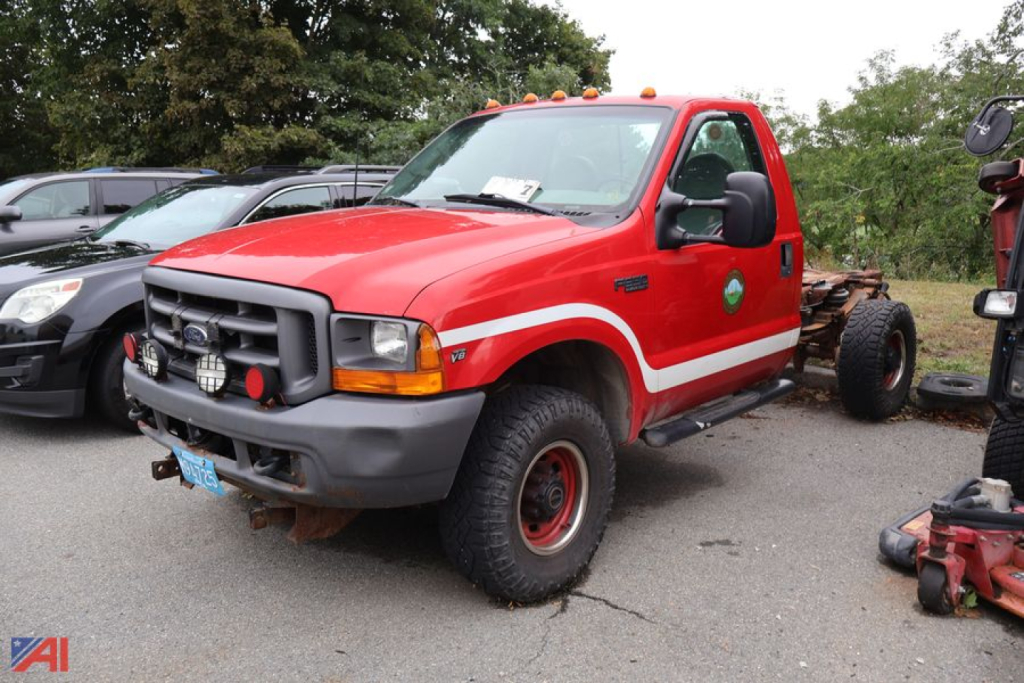
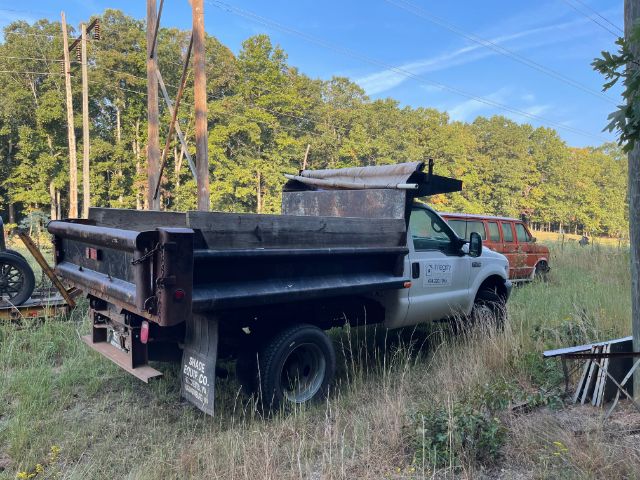
The first decision is usually chassis class and body style. A 1999 Ford pickup or cab and chassis may be set up with a service body, stake bed, dump insert, contractor flatbed, or utility body, and each layout changes the truck’s real-world value more than the badge alone. Buyers should confirm GVWR, wheelbase, axle ratio, rear suspension type, and whether the truck was built as a factory chassis cab or converted later. On body-equipped units, inspect hoists, PTO operation, subframe condition, crossmembers, bed floor wear, hitch setup, and any signs of frame modification. On towing or hauling applications, brake controller wiring, receiver ratings, gooseneck or fifth-wheel prep, and tire load range matter just as much as engine choice.
Powertrain selection is another major factor on 1999 Ford trucks. Common gas and diesel engines from this era can include the Triton V8 or V10 gas engines and the 7.3L Power Stroke diesel, depending on model and GVW. The 7.3L remains a key draw for many commercial buyers because of its reputation for durability and broad parts familiarity, but condition still matters more than engine name alone. Transmission operation under load, cold-start behavior, blow-by, front end wear, steering play, brake condition, and rust around cab mounts, spring hangers, and bed supports deserve close attention. On higher-mileage units, maintenance records and evidence of fleet service can be more valuable than cosmetic appearance.
A well-matched 1999 Ford truck still makes sense for buyers who want a lower-cost entry point into vocational hauling or a dedicated backup unit for local work. These trucks are commonly used in construction, landscape, farm, delivery, towing, and property maintenance operations where simple controls and widely understood mechanical systems are a plus. The best choice depends on payload needs, trailer weight, body upfit quality, and how easy the truck will be to keep working in your region. For buyers comparing listings, the strongest trucks in this category are usually the ones with a clear application fit, honest chassis condition, and specs that align with the work instead of just the lowest asking price.
Frequently Asked Questions about 1999 Ford Commercial Trucks
What should I check first on a 1999 Ford truck?
Start with the truck’s intended application and confirm that the chassis, GVWR, wheelbase, and body configuration match the job. After that, inspect frame condition, rust, suspension wear, brake condition, and tire capacity. On body-equipped trucks, check the condition of the bed, hoist, PTO, racks, or service compartments because vocational equipment can be more expensive to repair than the base truck.
Is the 7.3L Power Stroke the best engine option in a 1999 Ford truck?
The 7.3L Power Stroke is one of the most sought-after engines from this era because it has a strong reputation for durability and long service life. That said, the best engine is the one with documented maintenance, clean cold starts, good oil and coolant condition, and no major drivetrain issues. A well-kept gas truck can be a better buy than a neglected diesel, especially for lighter-duty local use.
Are 1999 Ford trucks good for commercial work today?
Yes, many 1999 Ford trucks still serve effectively in local and regional commercial work, especially in construction, farm, landscaping, towing, and service applications. Their appeal is straightforward mechanical design and lower acquisition cost compared with newer trucks. The main limitation is age, so buyers should expect closer inspection of wear items, wiring, hydraulics, and rust-related issues before putting the truck into daily service.
What body types are common on 1999 Ford commercial trucks?
Common body types include flatbeds, stake beds, dump bodies, utility and service bodies, box trucks, tow bodies, and contractor-style setups. Ford chassis from this period were frequently used as upfit platforms, so two trucks with the same cab and engine can have very different value depending on the body manufacturer, hoist system, rack design, toolbox layout, and overall upfit condition.
How important is rust on a 1999 Ford truck?
Rust is one of the most important value and safety factors on a truck of this age. Surface corrosion is common, but structural rust around frame rails, cab mounts, spring hangers, brake lines, fuel lines, and body supports can turn a low-priced truck into an expensive project. Buyers in northern and coastal markets should inspect the underside carefully and treat severe corrosion as a major purchase decision point.