
1994 Ford Trucks For Sale
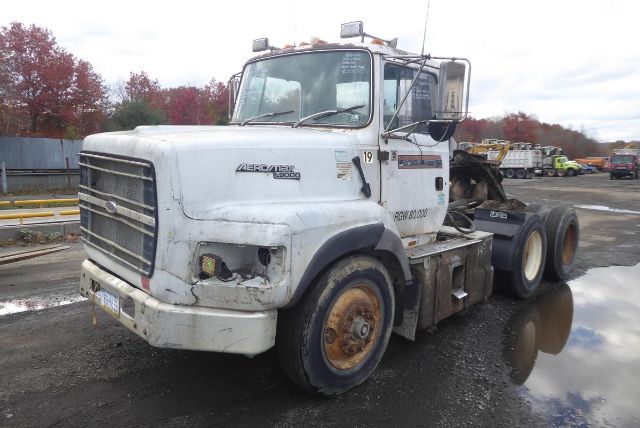
Shop 1994 Ford trucks for sale. Compare F-Series and medium-duty models by engine, GVWR, cab style, PTO setup, and body compatibility.
Learn more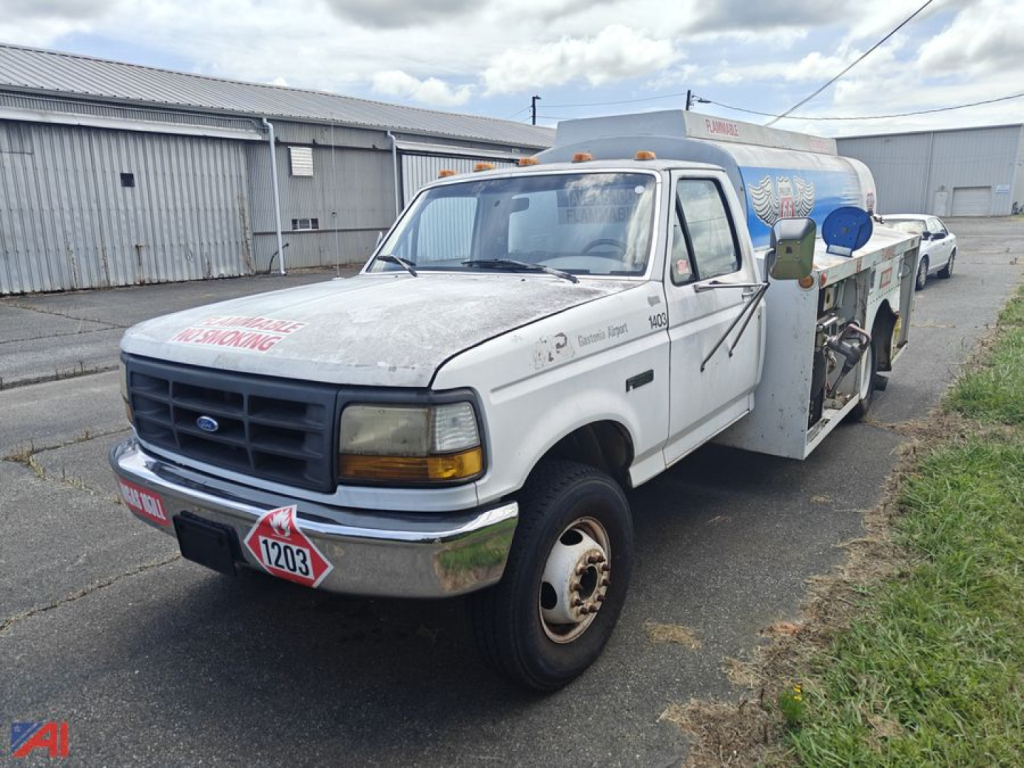

Have 1994 ford truck to sell? List it here to reach thousands of buyers.
About 1994 Ford Trucks
Engine and drivetrain choice should lead the buying decision. In 1994 Ford trucks, common gas options included inline-6 and V8 platforms, while diesel buyers typically look for the 7.3L Power Stroke or earlier 7.3L IDI depending on build date and configuration. Transmission setup, rear axle ratio, and whether the truck has hydraulic or air-over-hydraulic brakes can change the truck’s real-world usefulness more than appearance. On medium-duty Ford trucks, PTO compatibility, wheelbase, frame rail spacing, and suspension type are especially important if the chassis will carry a dump body, rollback, crane, utility body, or other vocational upfit. Rust around cab mounts, spring hangers, brake lines, and frame kick-up areas deserves close inspection on any 1994 unit, especially in snow-belt regions.
Cab layout and body fitment also matter because many 1994 Ford trucks remain in service as specialized work platforms. Regular cab chassis are common in municipal, contractor, and delivery applications, while extended cab or crew cab configurations may make more sense for field service and utility work. Buyers should verify wheelbase, cab-to-axle measurement, and rear overhang before planning a body swap. If the truck already has a vocational body installed, inspect hoists, PTO engagement, hydraulic leaks, crossmembers, and any signs of frame alteration. For towing and hauling use, pay attention to hitch type, trailer brake provisions, cooling system condition, and front axle capacity.
A well-kept 1994 Ford truck can still earn its keep, but condition is everything in this age range. Service records, evidence of injector or transmission work, brake system maintenance, tire date codes, and signs of electrical repairs tell you more than odometer mileage alone. Buyers comparing listings should weigh intended use, licensing requirements, and local emissions rules against payload needs and maintenance tolerance. The best 1994 Ford trucks are the ones with a sound frame, correct spec for the job, and a drivetrain that has not been pushed beyond its original design.
Frequently Asked Questions
What are the most important things to check on a 1994 Ford truck before buying?
Frame condition, drivetrain health, brake system type, and body compatibility should be checked first. On a 1994 Ford truck, corrosion can be a bigger issue than mileage, especially around cab mounts, spring hangers, crossmembers, brake lines, and the rear frame section. Buyers should also verify the engine version, transmission operation, rear axle ratio, and whether any PTO or hydraulic equipment works correctly under load. If the truck carries a vocational body, inspect the subframe, hoist, hydraulic cylinders, and mounting points for cracks, leaks, or poor repairs.
Which engines are commonly found in 1994 Ford trucks?
Common 1994 Ford truck engines depend on the truck class. Light-duty and some chassis cab models may have gas inline-6 or V8 engines, while diesel buyers often seek the 7.3L Power Stroke or the 7.3L IDI on certain configurations. The right engine depends on the intended use, service history, and parts support in your area. A gas engine may be simpler for lighter seasonal work, while a diesel setup is often preferred for heavier payloads, towing, and higher annual mileage.
Are 1994 Ford trucks good candidates for vocational bodies and work-truck use?
Yes, many 1994 Ford trucks are still used successfully as chassis for flatbeds, utility bodies, dump bodies, tow equipment, and box bodies. The main factors are GVWR, wheelbase, cab-to-axle dimension, frame integrity, and PTO readiness if hydraulic equipment is involved. Buyers should confirm that the axle ratings and suspension match the current job, because a truck that was originally spec'd for lighter delivery work may not be ideal for a crane body or heavy dump application. Proper upfit dimensions matter as much as engine and transmission choice.
Is a 1994 Ford truck easy to maintain compared with newer trucks?
A 1994 Ford truck is generally simpler to diagnose and repair than many newer trucks because it has fewer emissions components and less complex electronics. That simplicity can reduce downtime for owners who do some maintenance in-house or operate in areas where older truck service is common. The tradeoff is age-related wear, limited availability for some trim or cab parts, and the need for closer inspection of wiring, seals, cooling systems, steering components, and brake hardware. Simpler does not always mean cheaper if the truck has been neglected.
How do I choose the right 1994 Ford truck for hauling or towing?
Start with the actual trailer weight, payload, and body type the truck needs to handle. Then compare GVWR, axle ratings, brake system, engine output, transmission, wheelbase, and hitch or body setup. For towing, rear axle ratio, cooling capacity, and brake condition are critical. For payload work, spring capacity, tire rating, frame condition, and body installation quality matter more than cosmetic appearance. A properly spec'd 1994 Ford truck will usually perform better and cost less to own than a mismatched truck that looks cleaner on the surface.