
Used 2020 Flatbed Trucks For Sale
Shop used 2020 flatbed trucks with common specs, GVWR ranges, bed options, and hauling features for delivery, construction, and equipment transport.
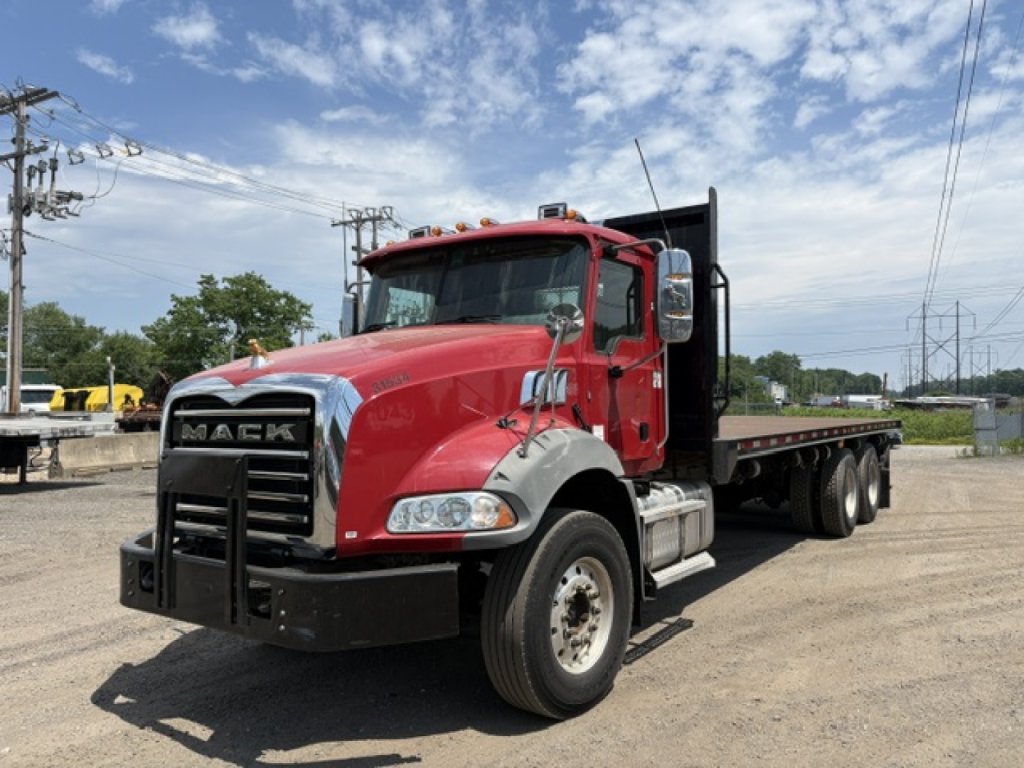
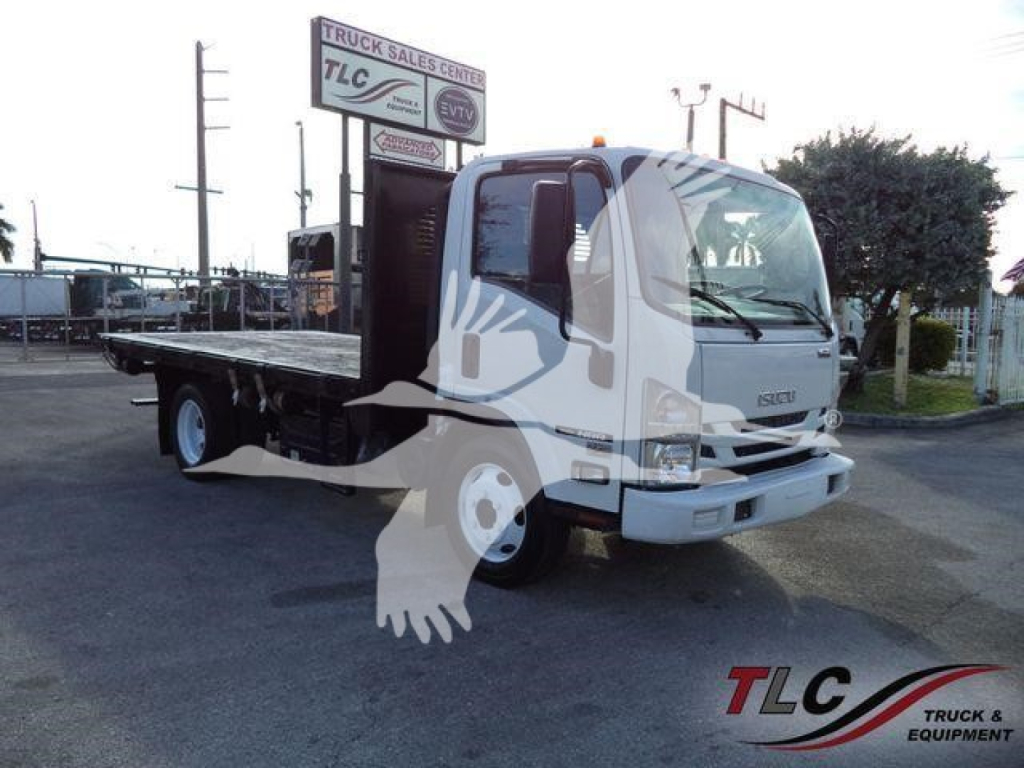
Have used 2020 flatbed truck to sell? List it here to reach thousands of buyers.
Used 2020 Flatbed Trucks
On 2020 models, the biggest buying decision is usually matching the chassis to the work. Lighter flatbeds on cutaway or Class 4 and 5 chassis are often used for local deliveries, building materials, palletized freight, and landscaping equipment. Medium-duty trucks in the Class 6 and 7 range are more common for steel, lumber, masonry, machinery, and jobsite service. Buyers should look closely at bed construction, including steel versus aluminum, wood deck versus treadplate, headboard design, rub rail condition, tie-down points, and underbody toolbox placement. A liftgate can add versatility for pallet freight, while stake pockets, D-rings, and ICC bumper design matter more for mixed cargo and securement compliance.
Powertrain and chassis specs on a used 2020 flatbed truck vary widely by application, but common considerations include diesel versus gas, automatic versus manual transmission, wheelbase, cab-to-axle, and suspension type. Diesel trucks are usually favored for higher mileage routes and heavier payloads, while gas engines can make sense for lighter regional work with lower acquisition cost. On medium-duty units, buyers should verify axle ratio, brake type, tire size, and whether the truck is set up for CDL or non-CDL operation. A 26-foot bed may look attractive on paper, but legal payload, bridge law implications, turning radius, and dock access still need to match the route.
Condition matters as much as spec on a 2020 used unit. Inspect the deck for rot, corrosion, welding repairs, cracked crossmembers, and signs of concentrated forklift damage. Check frame condition around body mounts, rear suspension hangers, and hitch or pintle areas if the truck has towed regularly. If the body was repurposed from another application, confirm mounting quality and weight distribution. Service records, emissions system history, PTO or hydraulic equipment operation, and tire wear patterns can tell you more about long-term cost than paint or miles alone. The right flatbed truck is the one with enough payload, the correct bed dimensions, and securement features that fit the freight you haul every day.
Frequently Asked Questions about Used 2020 Flatbed Trucks
What should I look for first when buying a used 2020 flatbed truck?
Start with bed length, GVWR, and actual payload capacity. Those three factors determine whether the truck can legally and efficiently handle your freight. After that, review the chassis spec, including engine, transmission, axle rating, wheelbase, and brake system. The body itself should be inspected for deck wear, rust, cracked welds, damaged rub rails, and missing tie-down equipment because flatbed body condition has a direct impact on usability and safety.
What is the difference between a flatbed truck and a stake bed truck?
A flatbed truck has an open platform body designed for side and rear loading. A stake bed truck is a flatbed with stake pockets and removable side panels or racks. That setup is useful for loose materials, bundled products, or loads that benefit from side containment. Many trucks can serve both roles, so buyers should check whether the bed includes stake pockets, side kit compatibility, and a headboard strong enough for the cargo being carried.
Is a 2020 flatbed truck available in non-CDL configurations?
Yes. Many flatbed trucks are built on chassis with a GVWR under 26,000 pounds, which allows non-CDL operation in many applications, assuming local and state rules are met. These are common for delivery, supply houses, and contractor fleets. Buyers still need to confirm actual GVWR, brake type, registration class, and any endorsement requirements tied to the load, trailer use, or business operation.
Are steel or aluminum flatbed bodies better?
Steel bodies are typically favored for rugged jobsite work because they handle abrasion and concentrated loading well, but they add weight and can be more prone to corrosion if not maintained. Aluminum bodies reduce tare weight and can improve payload capacity, which is valuable in delivery and regional hauling applications. The better choice depends on what the truck carries, how often it is loaded by forklift, and how important payload versus durability is in the operation.
How do I know if a used 2020 flatbed truck is set up for my freight?
Check the bed dimensions, deck material, securement points, and clearance around the rear and sides. A truck hauling palletized freight may need a clean wood deck and liftgate, while equipment hauling may require stronger D-rings, a reinforced deck, and trailer or pintle capability. Also confirm cab-to-axle and wheelbase measurements because they affect body fit, load distribution, and maneuverability. The best setup is the one that matches the size, weight, and loading method of your routine cargo.