
Used 2016 Flatbed Trucks For Sale
Browse used 2016 flatbed trucks for sale, including medium and heavy-duty models with steel or aluminum beds, stake pockets, ramps, and PTO options.
Learn more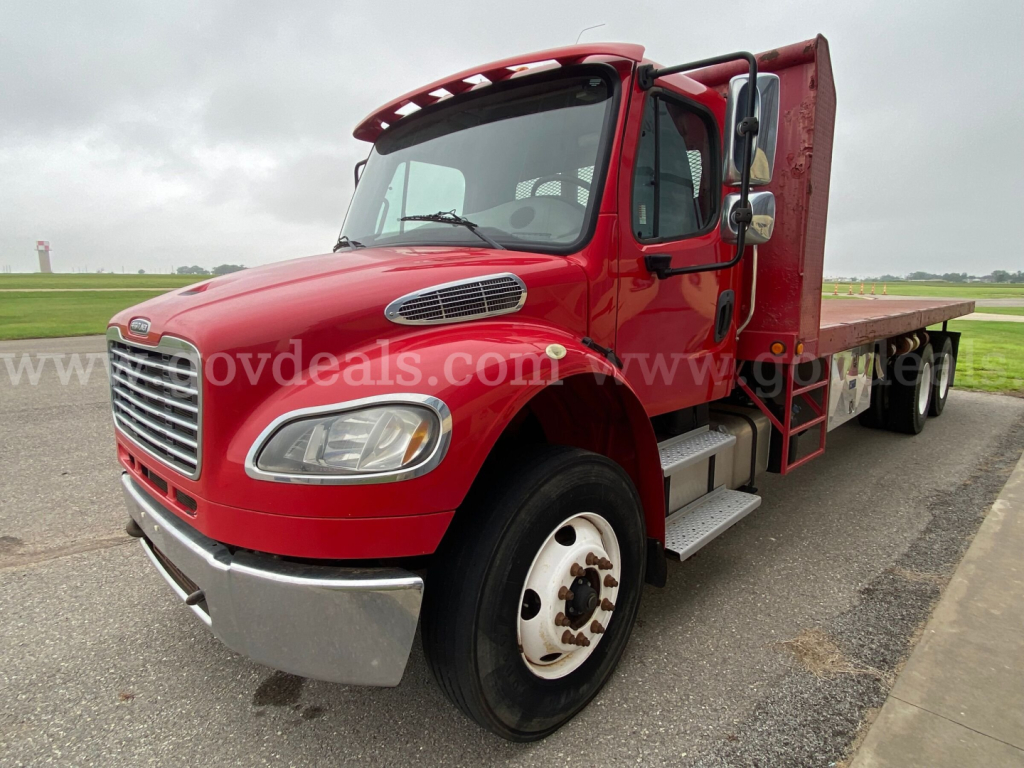
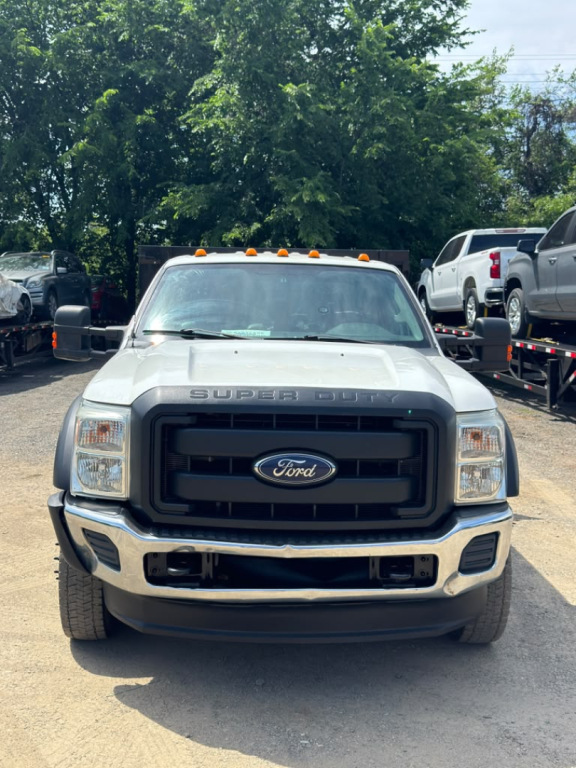
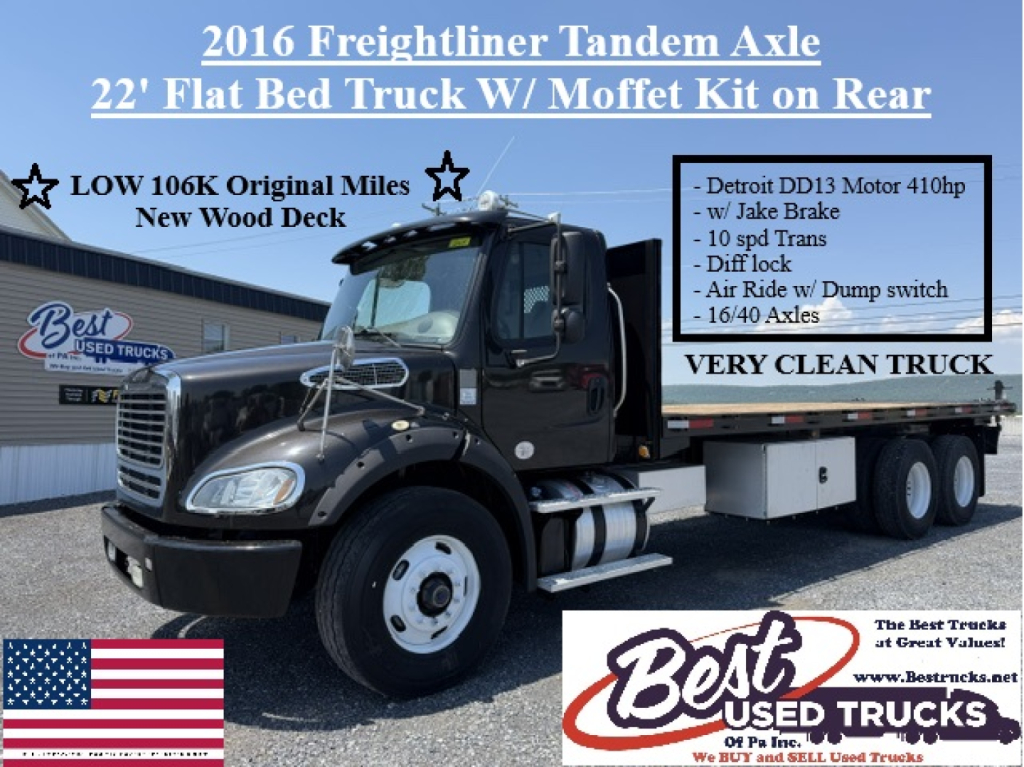
Have used 2016 flatbed truck to sell? List it here to reach thousands of buyers.
About Used 2016 Flatbed Trucks
The first buying decision is usually bed configuration, not just chassis brand. A straight flatbed used for palletized freight has different priorities than a rollback-style beavertail or a ramp truck moving skid steers, compact tractors, or jobsite machines. Bed length, deck width, distributed load rating, deck height, and tie-down layout all matter. Common setups include 18-foot to 26-foot beds, with steel decks favored for durability and aluminum bodies valued for lower tare weight and corrosion resistance. Buyers moving equipment should also check ramp capacity, winch rating, headboard strength, and whether the frame and rear suspension are matched to concentrated point loads.
On the truck side, 2016 flatbed trucks are often built on proven medium-duty platforms from Freightliner, International, Ford, Chevrolet, and Ram, with some heavier vocational units from Mack, Peterbilt, and Kenworth. Diesel engines are common in commercial applications, typically paired with automatic transmissions such as Allison units or manual gearboxes in heavier GVWR classes. Important specs include GVWR, front and rear axle ratings, wheelbase, cab-to-axle measurement, brake type, and suspension design. Air brakes and air-ride suspension can be a plus on heavier trucks, while spring suspension may be preferred for simplicity in severe service. If the truck will run a crane, compressor, or hydraulic equipment, confirm PTO provisions and any existing wet kit or hydraulic pump setup.
Condition matters as much as spec on a used 2016 flatbed truck. Pay close attention to deck corrosion, cracked crossmembers, frame alterations, ramp hinge wear, tire condition, brake life, and signs of overloading such as suspension sag or uneven deck wear. On diesel units, review maintenance records for emissions components, including DPF and DEF system service, and verify idle hours if the truck spent time on stationary jobsite duty. A well-matched 2016 flatbed truck can serve as a versatile platform for construction, delivery, utility, agriculture, and equipment transport, but the right choice comes down to payload needs, deck design, and how the truck will actually be loaded and secured day to day.
Frequently Asked Questions
What should I look for first on a used 2016 flatbed truck?
Start with the truck’s intended job and confirm the bed design and GVWR match that work. Bed length, deck material, tie-down points, stake pockets, ramp setup, and load rating are often more important than brand alone. After that, check axle ratings, wheelbase, suspension, brake type, and engine-transmission pairing. On a used 2016 model, maintenance history and overall body and frame condition are critical, especially around the bed mounts, crossmembers, and any hydraulic or ramp components.
Are 2016 flatbed trucks good for hauling equipment?
Many are, but only if the truck is built for concentrated equipment loads rather than general freight. A flatbed truck used for machinery should have the right deck strength, suitable ramp capacity, a reinforced headboard, and enough axle capacity to carry the machine without overloading the rear. Beavertail and dovetail bodies are common for easier loading angles. Buyers should also look at winch setup, deck height, and tire and suspension condition, since those directly affect loading safety and usable payload.
Is a steel bed or aluminum bed better on a flatbed truck?
Steel beds are typically chosen for durability, lower repair cost, and resistance to jobsite abuse. They are common on contractor, equipment, and severe-duty applications. Aluminum beds reduce body weight, which can improve payload and help with corrosion resistance, especially in regions with road salt or coastal exposure. The better choice depends on how the truck is used, how often it sees rough loading, and whether payload or long-term corrosion resistance matters more.
What engine and transmission setups are common on 2016 flatbed trucks?
In 2016 flatbed trucks, medium-duty diesel engines are common, often paired with Allison automatic transmissions for route work, contractor fleets, and easier driver operation. Heavier vocational trucks may use manual transmissions for durability and control under load. Gas engines can appear in lighter GVWR flatbed trucks, especially in local-use applications. The right setup depends on gross weight, terrain, stop-and-go frequency, and whether the truck will spend more time delivering freight, hauling equipment, or running PTO-driven accessories.
Do emissions systems matter when buying a used 2016 flatbed truck?
Yes. A 2016 diesel truck will typically have modern emissions equipment, including DEF and DPF systems, so service history matters. Buyers should ask about forced regens, sensor replacement, DPF cleaning, injector work, and any derate events. Trucks that spent long periods idling or running short routes can develop more emissions-related issues than trucks worked consistently at highway temperature. A pre-purchase inspection with an electronic scan is a smart step on any used 2016 diesel flatbed truck.