
Used 2012 Flatbed Trucks For Sale
Shop used 2012 flatbed trucks for hauling building materials, equipment, pipe, and palletized freight across local and regional routes.
Learn more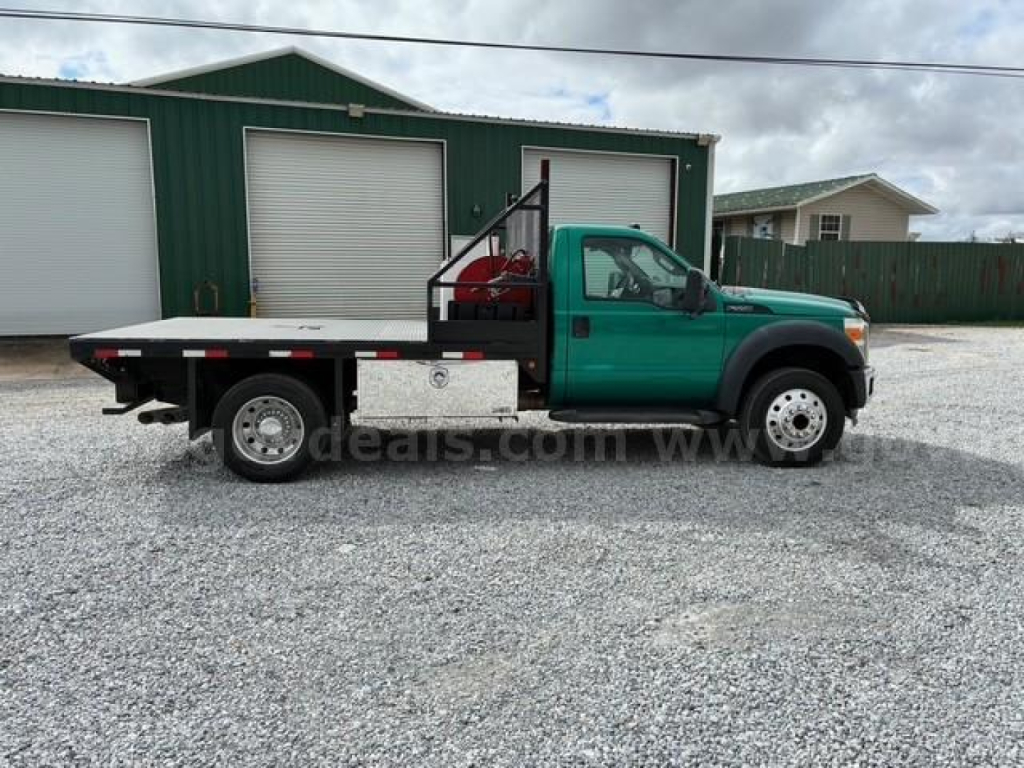
Have used 2012 flatbed truck to sell? List it here to reach thousands of buyers.
About Used 2012 Flatbed Trucks
The first buying decision is usually capacity. A lighter 2012 flatbed truck, such as a cab chassis with a 12-foot to 18-foot body, is often used by contractors, utility crews, landscapers, and local delivery operations. Medium-duty models in the Class 6 and 7 range are better suited for palletized material, brick, steel, or equipment that requires more deck space and payload. Heavy-duty flatbed trucks can add tandem axles, lift axles, air brakes, and higher GVWR ratings for more demanding work. If the truck will carry dense freight, pay close attention to front axle rating, rear axle rating, wheelbase, and actual empty weight, since body style and accessories can cut into payload fast.
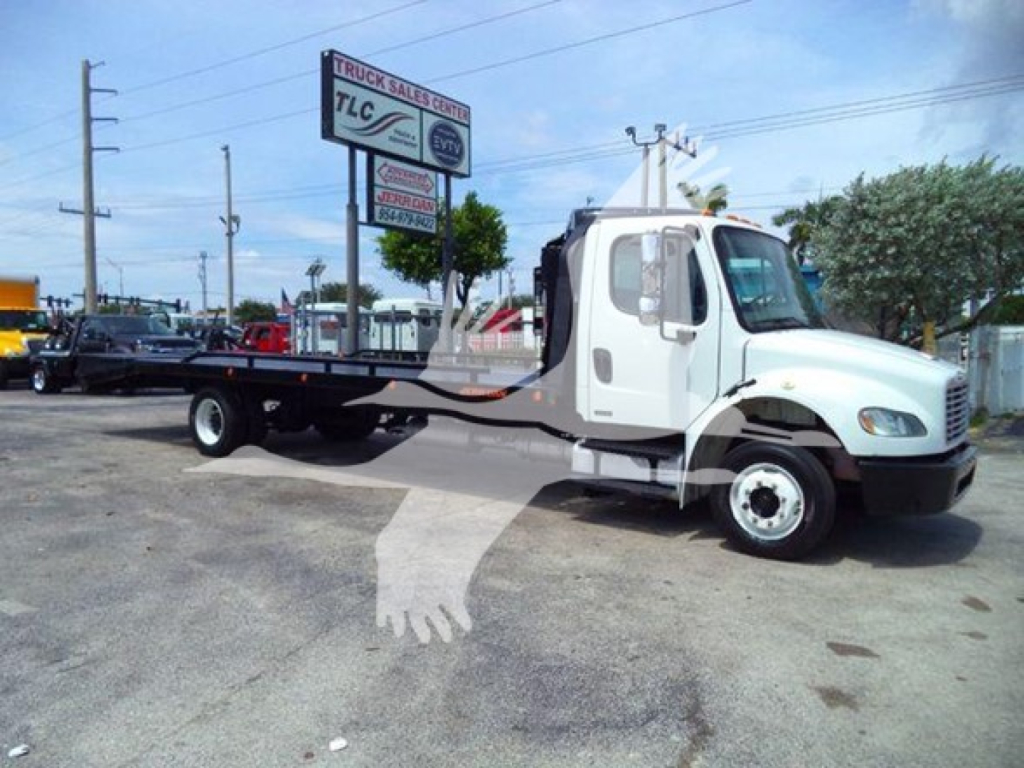
Body design matters as much as the chassis. Steel beds are common on used 2012 flatbed trucks because they hold up well in rough service, but they weigh more than aluminum and can reduce legal payload. A dovetail or beavertail body with ramps is useful for moving forklifts, skid steers, and compact equipment, while a standard flat deck is better for forklifts loading from the side. Buyers should inspect deck condition, crossmember corrosion, tie-down points, headboard strength, and any signs of frame modification or overloading. On older work trucks, rust around the bed mounts, rear sill, and underbody storage areas is common, especially in northern climates.
Powertrain choices on 2012 flatbed trucks typically include gas engines in lighter models and diesel engines in medium-duty and heavier applications, paired with automatic or manual transmissions depending on vocation. For highway or regional hauling, gearing, cruise speed, and brake type deserve a close look. For city work, maneuverability, cab-to-axle dimension, and turning radius can be just as important as horsepower. A well-matched used 2012 flatbed truck should be evaluated by how it loads, secures cargo, and fits your route structure, not just by bed length alone.
Frequently Asked Questions
What should I check first on a used 2012 flatbed truck?
Start with GVWR, axle ratings, wheelbase, and the truck’s actual empty weight. Those numbers tell you how much usable payload the truck can realistically handle. After that, inspect the flatbed itself for deck wear, rust, cracked welds, damaged stake pockets, loose crossmembers, and headboard condition. On a 2012 model, service history, brake condition, tire age, suspension wear, and any signs of frame repair are also important.
Are steel or aluminum flatbeds better on a 2012 truck?
Steel flatbeds are typically better for severe-duty work because they handle abuse well and are common on contractor and equipment-hauling trucks. Aluminum flatbeds reduce tare weight and can improve payload, which matters when hauling freight that reaches legal weight quickly. The better choice depends on your freight mix, climate, and how often the truck sees rough loading conditions.
What size flatbed truck is best for local delivery or contractor work?
For local delivery, service crews, and contractor use, many buyers look at lighter 2012 flatbed trucks with 12-foot to 18-foot beds and easier maneuverability. These trucks are simpler to park, load, and route through tighter jobsite or urban conditions. If you regularly move pallets of block, lumber packs, or machinery, a medium-duty flatbed with more deck length and higher axle capacity is usually the better fit.
Is a beavertail flatbed better than a standard deck?
A beavertail flatbed is better when the truck will haul wheeled or tracked equipment such as skid steers, small tractors, or forklifts. The lower rear approach angle and ramps make loading easier and safer. A standard flat deck is usually better for general freight because it gives you full usable deck length and easier side loading with a forklift.
Do 2012 flatbed trucks work for CDL and non-CDL applications?
Yes. Some 2012 flatbed trucks fall under non-CDL thresholds, especially lighter-duty models with GVWR below 26,001 pounds. Others are clearly CDL trucks because of higher GVWR, air brakes, tandem axles, or commercial use requirements. Buyers should verify the truck’s GVWR, brake system, registration class, and the rules in the states where it will operate.