
New 2023 Flatbed Trucks For Sale in Florida
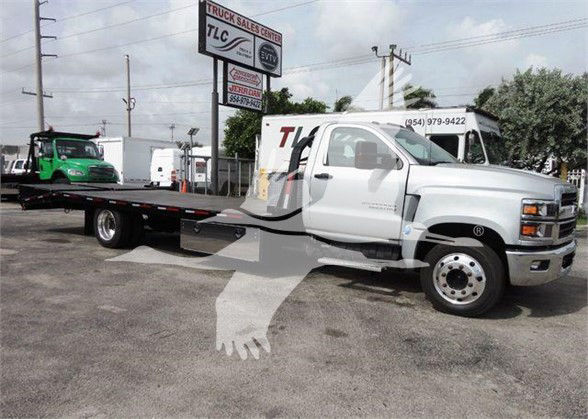
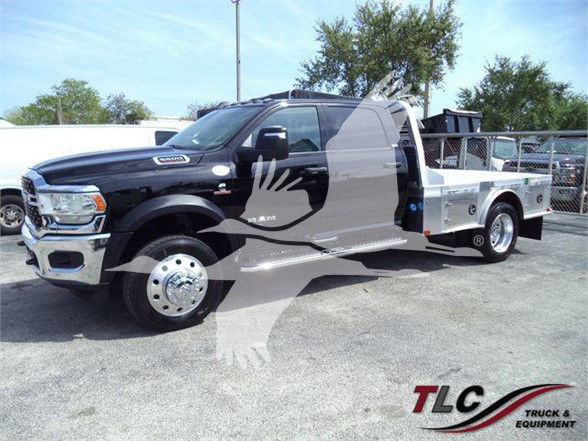
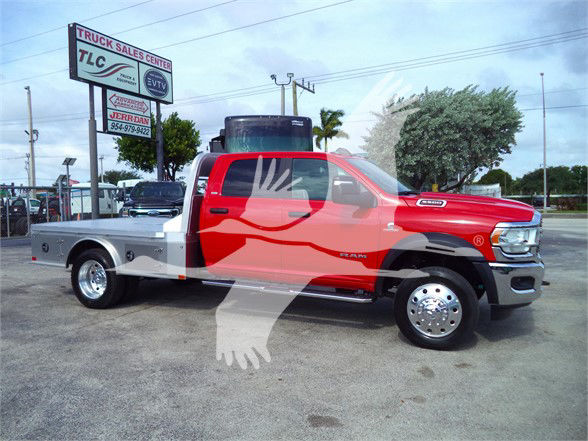
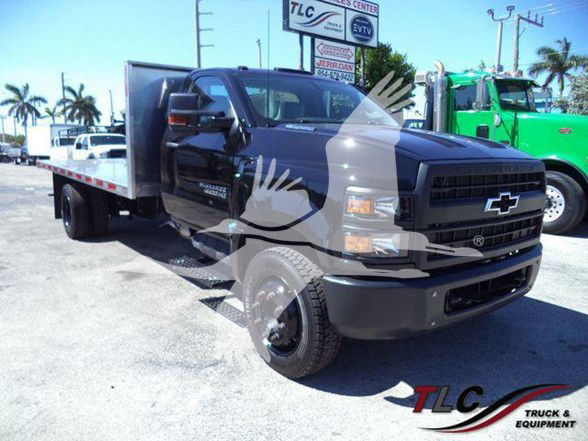
Have new 2023 flatbed truck to sell? List it here to reach thousands of buyers.
New 2023 Flatbed Trucks in Florida
On lighter and medium-duty flatbed trucks, buyers typically compare GVWR, cab-to-axle dimension, and bed design first. A 9-foot to 11-foot hauler-style bed is common on Class 5 chassis for gooseneck towing, material delivery, and mixed-use service work. Longer 16-foot to 21-foot beds on Class 6 trucks are better suited for palletized freight, jobsite equipment, pipe, lumber, and small machinery. Look closely at deck construction, crossmember spacing, rub rails, stake pockets, headache racks, and integrated tie-down points. Aluminum beds reduce curb weight and resist corrosion, which matters in Florida’s coastal and humid conditions. Steel beds usually offer lower upfront cost and can be a strong fit for heavier-duty loading, especially when paired with beavertails and spring-assisted ramps.
Towing and payload setup matters as much as engine choice. Many new 2023 flatbed trucks are equipped for trailer work with receiver hitches, gooseneck hitches, rear trailer plugs, and brake controller compatibility. On hauler and hotshot-oriented builds, a 30,000-pound-rated gooseneck hitch, rear receiver, and lockable toolbox package are common value points. Suspension is another spec to verify. Spring suspension is simple and durable for general hauling, while air ride rear suspension with a dump feature can improve ride quality and loading control on certain medium-duty applications. Tire size, wheel type, backup cameras, and cab trim also affect daily usability, especially for crews running local routes with frequent stops.
Florida buyers should pay special attention to corrosion resistance, lighting, and body dimensions. Aluminum floors, powder-coated components, sealed LED marker lights, and clean wiring protection all help in a wet, high-heat environment. Bed width, frame width compatibility, and tapered rear corners can affect turning radius and ease of loading in tight yards or urban delivery settings. A well-matched 2023 flatbed truck should balance payload, towing capacity, deck space, and securement options without overbuilding the chassis for the work. The best choice is usually the truck that fits your actual cargo profile every day, not the one with the most bed or the highest rating on paper.
Frequently Asked Questions about New 2023 Flatbed Trucks in Florida
What should I look for first when buying a new 2023 flatbed truck?
Start with the truck’s intended load and towing profile. GVWR, payload capacity, cab-to-axle measurement, and bed length should match the cargo you move most often. After that, compare bed material, tie-down and stake pocket layout, hitch ratings, toolbox capacity, and rear loading features such as beavertails or ramps. On flatbed trucks, the upfit determines day-to-day functionality as much as the chassis itself.
Is an aluminum flatbed better than a steel flatbed?
Aluminum flatbeds are lighter and offer strong corrosion resistance, which is a major advantage in Florida humidity and coastal conditions. The lower body weight can also preserve payload capacity. Steel flatbeds are typically more economical upfront and remain a solid choice for hard-use applications, especially when the bed includes heavy ramps, beavertails, or thicker deck material. The better option depends on whether low weight and corrosion resistance matter more than initial cost and repair familiarity.
What bed length is best for a flatbed truck?
Shorter beds around 9 to 11 feet are common on cab-and-chassis trucks used for towing, service work, and hotshot applications with gooseneck hitches. Mid-length and longer beds, often 16 to 21 feet, are better for palletized materials, jobsite deliveries, and equipment transport. The right length depends on your typical load dimensions, turning space, and whether the truck also needs to tow a trailer regularly.
Are 2023 flatbed trucks suitable for gooseneck and hotshot work?
Many are, but the truck must be set up correctly. Buyers should verify rear axle rating, hitch rating, frame compatibility, trailer plug configuration, brake system capability, and overall GCWR. A hauler-style flatbed with an integrated gooseneck hitch, headache rack, rub rails, stake pockets, and lockable toolboxes is a common setup for this type of work. Payload and towing numbers should always be confirmed on the exact chassis and upfit combination.
Why does suspension type matter on a flatbed truck?
Suspension affects ride quality, load stability, and loading ease. Spring suspension is common because it is durable, simple, and well-suited to general commercial use. Air ride rear suspension can improve loaded ride quality and help protect sensitive cargo, and a dump feature may help at docks or when connecting certain trailers. The best choice depends on road conditions, cargo type, and how much time the truck spends loaded versus empty.