
Kenworth Flatbed Trucks For Sale
Shop Kenworth flatbed trucks with specs, applications, and buying tips on bed length, GVWR, axle setup, engines, and loading features.
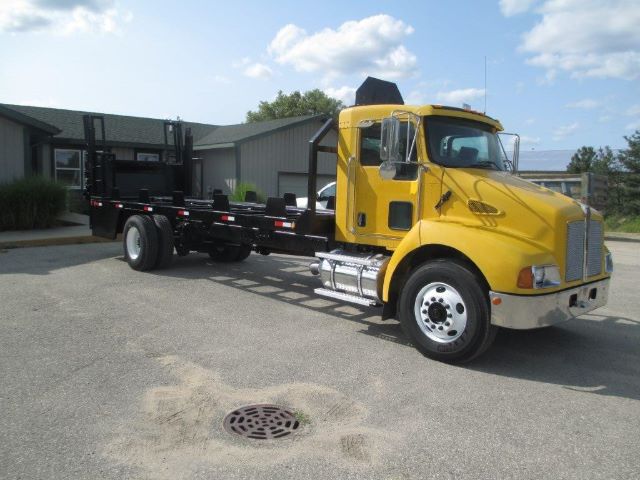
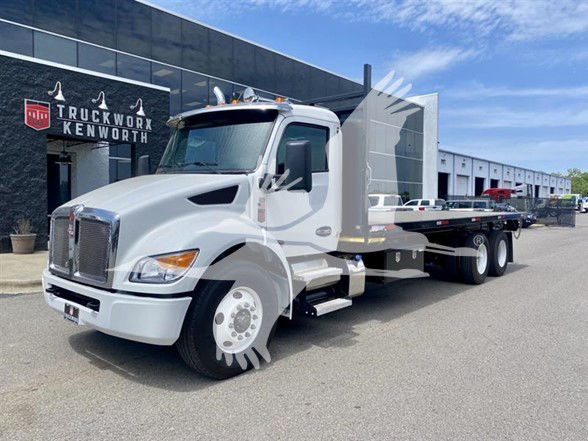
Selling a kenworth flatbed truck? List your kenworth flatbed truck for sale and reach thousands of commercial buyers.
Kenworth Flatbed Trucks
The first decision is usually size and weight class. Many Kenworth flatbeds in the medium-duty range run in Class 6 through Class 8 configurations, with common GVWR targets around 26,000 to 33,000 pounds and up depending on chassis spec. Buyers should compare axle layout, wheelbase, and bed length closely because those three factors determine payload balance, turning radius, and usable deck space. Single-axle trucks are common for city delivery and lighter construction work, while tandem-axle setups make more sense for heavier payloads and rougher jobsite conditions. Bed lengths often fall in the 20-foot to 26-foot range, but actual usable deck space can vary once headache racks, liftgates, toolboxes, and tie-down equipment are accounted for.
Powertrain and suspension specs matter more on a flatbed than many buyers expect. Kenworth flatbeds are commonly found with PACCAR or Caterpillar diesel engines in medium-duty applications, paired with Allison automatics or manual transmissions depending on stop-and-go usage and driver preference. Rear axle ratio affects launch, gradeability, and highway speed, so a truck geared for local building supply delivery can feel very different from one set up for regional runs. Suspension is another major checkpoint. Spring suspension is straightforward and durable, while vocational suspensions such as Chalmers are often chosen for heavier service. Tire size, brake condition, PTO capability, and any hydraulic or electrical provisions for liftgates, truck-mounted forklifts, or cranes should be verified against the intended job.
The body itself deserves a close look because it determines how useful the truck will be on day one. Buyers should inspect deck material, crossmember spacing, rub rails, stake pockets, winch tracks, D-rings, and bulkhead design. A flatbed used for pallet freight may need a liftgate and clean deck surface, while one intended for steel or machinery transport benefits from stronger tie-down options and better deck reinforcement. Also check deck height, especially if frequent forklift loading is part of the route. On used Kenworth flatbed trucks, cab condition, frame integrity, corrosion around mounting points, and signs of uneven loading or bed twist are worth careful attention. A well-matched Kenworth flatbed should balance payload, deck access, maneuverability, and serviceability without forcing compromises in the freight it is meant to haul.
Frequently Asked Questions about Kenworth Flatbed Trucks
What are Kenworth flatbed trucks commonly used for?
Kenworth flatbed trucks are commonly used for palletized freight, lumber, steel, pipe, jobsite materials, machinery, and general contractor deliveries. Their open-deck design allows loading from the side, rear, or top, which makes them practical for freight that is oversized, irregularly shaped, or not suited for an enclosed van body. Many are also equipped for specialized local work with liftgates, stake sides, or tool storage.
What should I look for when buying a used Kenworth flatbed truck?
Focus on chassis rating, axle configuration, bed length, and the condition of the flatbed body as much as the engine and transmission. Inspect the frame rails, bed mounts, crossmembers, rub rails, stake pockets, and deck surface for damage, corrosion, or signs of overloading. It is also important to confirm brake and tire condition, suspension type, liftgate operation if equipped, and whether the truck's wheelbase and deck layout fit the cargo you plan to move.
Is a single-axle or tandem-axle Kenworth flatbed better?
A single-axle Kenworth flatbed is usually better for tighter urban routes, lighter payloads, and lower operating cost. A tandem-axle truck is better for heavier loads, improved weight distribution, and tougher vocational service. The better choice depends on your target payload, local bridge and axle laws, body length, and the surfaces the truck will regularly travel on.
What bed length is most common on a Kenworth flatbed truck?
Many Kenworth flatbed trucks are built with bed lengths in the 20-foot to 26-foot range, especially in medium-duty delivery and contractor applications. The ideal length depends on your freight profile, loading method, and how much maneuverability you need. Buyers should measure usable deck space, not just published bed length, because bulkheads, liftgates, and mounted accessories reduce available cargo area.
Do Kenworth flatbed trucks usually come with automatic transmissions?
Many medium-duty Kenworth flatbed trucks are equipped with Allison automatic transmissions because they perform well in stop-and-go delivery work and reduce driver fatigue. Manual transmissions are still found in some vocational and heavier-duty applications where buyers want more control or have established driver preference. The best transmission choice depends on route type, driver mix, terrain, and how often the truck starts and stops under load.