
GMC Flatbed Trucks For Sale
Browse GMC flatbed trucks with commercial-grade payload, upfit flexibility, towing capability, and bed configurations for work-ready hauling.
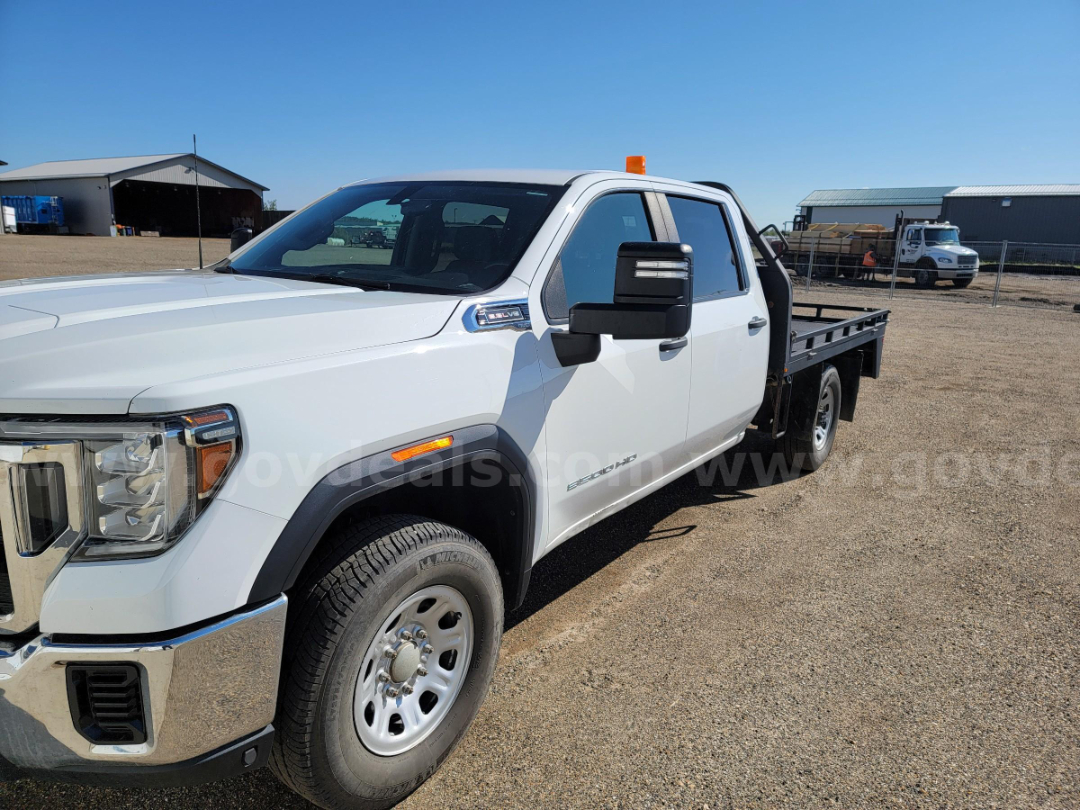
Have gmc flatbed truck to sell? List it here to reach thousands of buyers.
GMC Flatbed Trucks
The first decision is usually chassis rating and rear wheel setup. A GMC 3500HD flatbed may be configured as single rear wheel or dual rear wheel, and that choice affects payload stability, tire cost, bed width, and towing confidence. Powertrain selection also matters. Buyers will commonly compare the 6.6L gasoline V8 against the 6.6L Duramax diesel, depending on annual mileage, idle time, trailer weight, and service preferences. Four-wheel drive is common in snowbelt, off-pavement, and utility applications, while two-wheel drive can make sense for lower acquisition cost and simpler maintenance in lighter-duty regional use.
Flatbed configuration drives day-to-day productivity. Bed length, deck material, rub rail design, tie-down points, rear apron layout, and integrated towing equipment all deserve a close look. Some GMC flatbed trucks are set up more like work trucks with beacons, work lights, transfer tanks, and ladder racks. Others are closer to hauler bodies with recessed gooseneck balls, fifth-wheel style connections, trailer brake controllers, and longer usable deck space. If the truck will carry palletized material, equipment, pipe, or jobsite supplies, pay attention to deck height, wheel well intrusion, side access, and how easy it is to secure odd-shaped freight.
Used GMC flatbed trucks should be evaluated as both a truck and an upfit. Check GVWR, axle ratings, suspension condition, brake type, hitch ratings, tire date codes, and any signs of frame rust or overloading. On the bed itself, inspect crossmembers, weld quality, wood or steel floor condition, lighting, wiring, and any damage around the rear corners or headache rack. If the truck has a gooseneck, integrated fifth-wheel setup, or snowplow wiring, confirm those additions were installed cleanly and match the intended application. A well-spec'd GMC flatbed can cover a wide range of duties, from local delivery and equipment transport to field service and seasonal municipal work.
Frequently Asked Questions about GMC Flatbed Trucks
What GMC models are most common as flatbed trucks?
Most GMC flatbed listings are built on Sierra HD platforms, especially the Sierra 3500HD. The 2500HD can work well for lighter payloads and moderate towing, but the 3500HD is typically preferred for commercial flatbed use because it offers higher GVWR, stronger towing capacity, and more upfit flexibility. Buyers will also see regular cab, double cab, and crew cab layouts depending on whether bed length or passenger space is the priority.
Is a single rear wheel or dual rear wheel GMC flatbed better?
A single rear wheel GMC flatbed is often easier to maneuver, cheaper to maintain, and a good fit for mixed personal and commercial use. A dual rear wheel setup is usually the better choice for heavier payloads, improved stability under load, and more confidence when towing larger trailers. The right choice depends on actual axle weights, cargo type, trailer tongue or pin weight, and how often the truck will operate near its rated capacity.
What should I inspect on a used GMC flatbed truck?
Start with the truck's GVWR, axle ratings, engine, transmission, brakes, suspension, tire condition, and service history. Then inspect the flatbed itself for rust, bent crossmembers, cracked welds, damaged decking, lighting issues, and poor-quality wiring repairs. If the truck has a gooseneck hitch, fifth-wheel connection, toolboxes, or work lights, verify those components function properly and were installed in a way that does not compromise bed structure or frame integrity.
Are GMC flatbed trucks good for towing and hotshot-style work?
They can be, especially when built on a properly equipped Sierra 3500HD chassis with the right axle ratio, hitch package, and rear suspension setup. Buyers using a GMC flatbed for gooseneck or equipment trailers should confirm GCWR, trailer brake controller operation, hitch rating, and bed layout around the hitch point. For frequent heavy towing, diesel power and dual rear wheels are often preferred, while lighter regional trailer work may be well served by a gas engine configuration.
What flatbed features add the most real-world value?
The most useful features depend on the job, but buyers often prioritize a durable steel or aluminum deck, rub rails, stake pockets, multiple tie-down points, a headache rack, underbody toolboxes, and properly integrated trailer wiring. For field service work, beacons, work lights, and storage can matter more than maximum deck space. For hauling materials or towing equipment, bed length, deck width, hitch placement, and load securement options usually have the biggest impact on productivity.