
2020 Flatbed Trucks For Sale
Have 2020 flatbed truck to sell? List it here to reach thousands of buyers.
2020 Flatbed Trucks
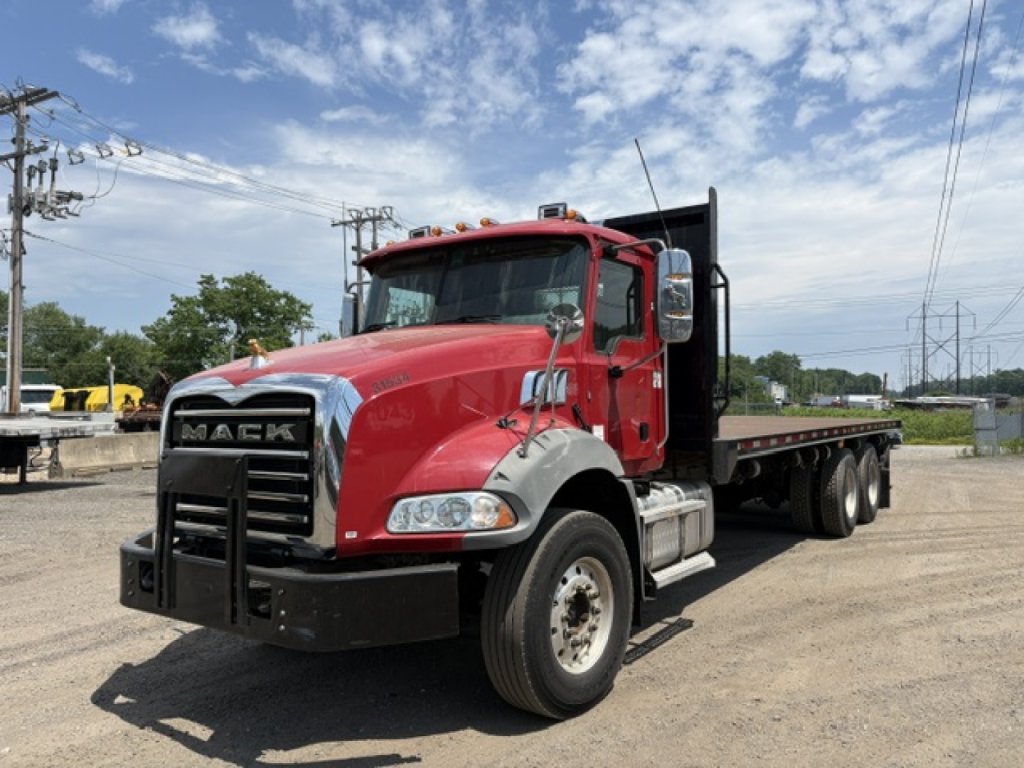
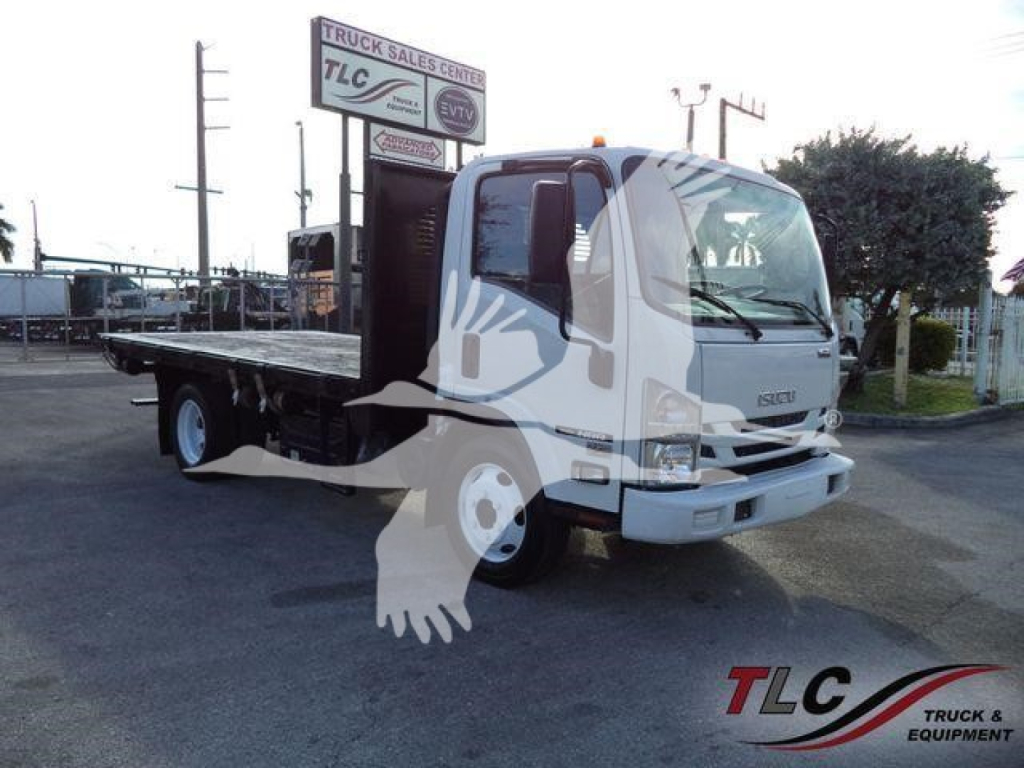
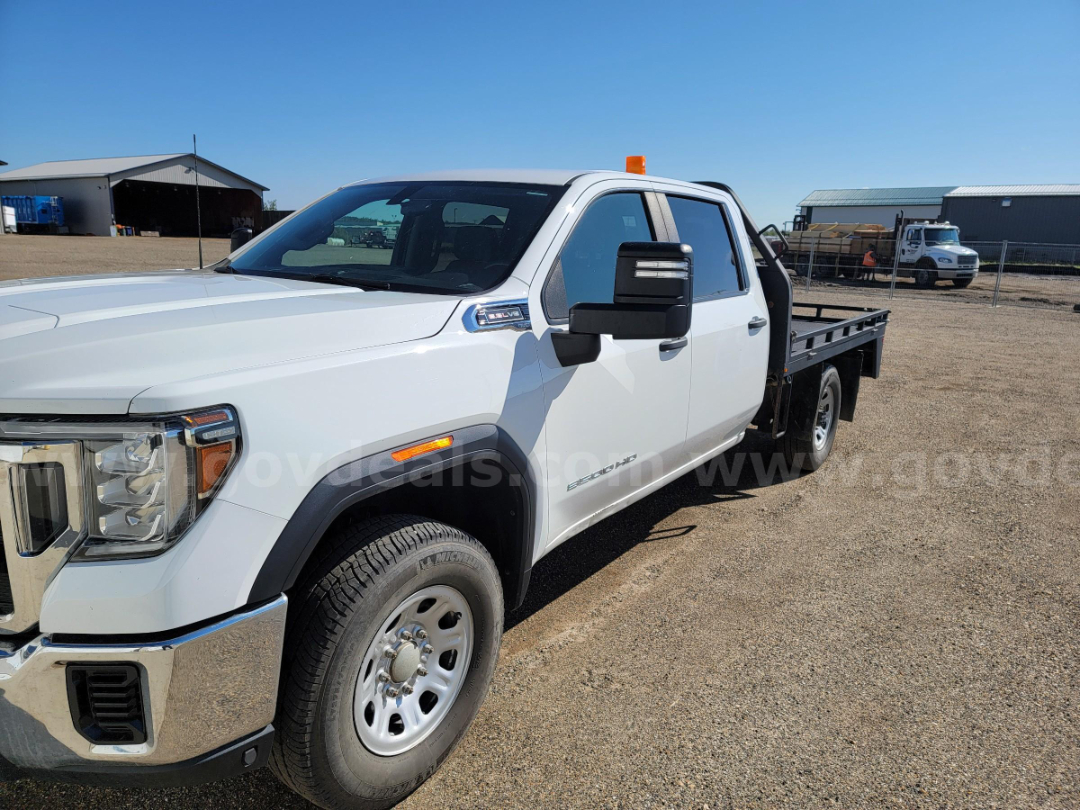
Most 2020 flatbed trucks in the market fall into two groups. The first is light-duty and one-ton flatbeds, often built on pickup chassis like a 3500 or 350/450 platform. These are popular for contractors, utility crews, hotshot support, landscape supply, and towing setups with gooseneck or fifth-wheel provisions. The second is medium-duty flatbeds on Class 5 through Class 7 chassis from builders such as Hino, Isuzu, Ford, Freightliner, International, Chevrolet, GMC, or Mack. These trucks are more suitable for palletized building materials, machinery, pipe, generators, fabricated steel, and regional delivery work. Diesel engines dominate the medium-duty side, while gas engines are still common in lighter GVWR applications where annual miles are lower and maintenance simplicity matters.
A 2020 model year often puts you in the newer emissions and safety era, so buyers should look closely at engine hours, idle time, aftertreatment service history, and any fault codes tied to the DPF, SCR, or EGR system on diesel trucks. Transmission choice matters too. Automatics work well in urban delivery and crew use, while manual gearboxes still appeal in vocational service where drivers want more control. Axle ratio, wheelbase, and cab-to-axle length need to match the body and the way the truck will be loaded. A short wheelbase improves maneuverability on jobsites, but a longer wheelbase can ride better and carry longer material. If the truck will pull equipment or trailers, verify towing ratings, hitch setup, brake controller integration, and whether the frame and rear suspension are appropriate for combined use.
The best 2020 flatbed truck is the one whose chassis, body, and securement setup fit the freight. A deck carrying lumber, block, or palletized freight needs different tie-down access than a contractor bed carrying compressors, welders, and jobsite tools. Check for bed width, rub rail condition, lighting, rear step or ICC bumper configuration, and any signs of frame modification. If the truck has add-ons like liftgates, knuckle booms, snowplow mounts, or wet kits, confirm they were installed for the truck’s intended duty cycle and not as an afterthought. Flatbed trucks are also commonly called flat deck trucks or platform trucks, and in pickup-based applications you may also see contractor body or flat deck terminology. The right choice comes down to legal payload, load access from the side and rear, and how efficiently the truck can be loaded, secured, and turned back around for the next run.
Frequently Asked Questions about 2020 Flatbed Trucks
What should I look for first when buying a 2020 flatbed truck?
Start with GVWR, payload capacity, bed length, and the actual body material. Those four items determine what the truck can legally and practically haul. After that, check wheelbase, cab-to-axle measurement, engine and transmission type, and the condition of the deck, rub rails, stake pockets, and headache rack. On diesel units, service records for the aftertreatment system are especially important because DPF and SCR issues can become expensive if they were ignored.
Is a steel or aluminum flatbed better on a 2020 truck?
Steel is usually the better choice for hard vocational use, concentrated loads, and rough loading conditions because it resists abuse and is easier to repair. Aluminum is attractive when payload matters more because it reduces body weight and can improve legal carrying capacity. The better option depends on what the truck hauls every day. A truck carrying construction materials or equipment may benefit from steel, while a truck focused on maximizing payload for lighter freight may benefit from aluminum.
Are 2020 flatbed trucks good for towing trailers or equipment?
Many are, but towing ability depends on the chassis class, axle ratings, hitch equipment, brakes, and frame setup, not just the presence of a flatbed. Pickup-based flatbeds may have gooseneck or fifth-wheel prep for contractor and hotshot-style work, while medium-duty trucks may be equipped with receiver hitches, pintle hitches, or integrated trailer brake provisions. Buyers should verify GCWR, hitch rating, rear suspension capacity, and whether the truck was built to handle both deck payload and trailer tongue weight at the same time.
What bed length is most common on a 2020 flatbed truck?
Common lengths vary by chassis class. Pickup-based flatbeds often run around 8 to 12 feet, while medium-duty straight truck flatbeds are commonly 16, 20, 22, 24, or 26 feet. The right length depends on the freight footprint, overhang rules, turning radius needs, and where the truck operates. Longer decks increase load flexibility, but they also affect maneuverability, wheelbase, and sometimes payload if body weight rises significantly.
Do 2020 diesel flatbed trucks have emissions systems I should be concerned about?
Yes. Most 2020 diesel flatbed trucks use modern emissions components including DPF, SCR, and EGR systems. These systems are reliable when the truck is used correctly and maintained on schedule, but problems can show up on low-mileage trucks with excessive idle time or repeated short-trip use. A buyer should review fault history, regeneration patterns, DEF system condition, and maintenance records before purchase, especially on medium-duty vocational trucks that may spend long periods idling on jobsites.