
2016 Flatbed Trucks For Sale
Shop 2016 flatbed trucks with the specs that matter, including bed length, GVWR, deck material, tie-down options, and towing capability.
Learn more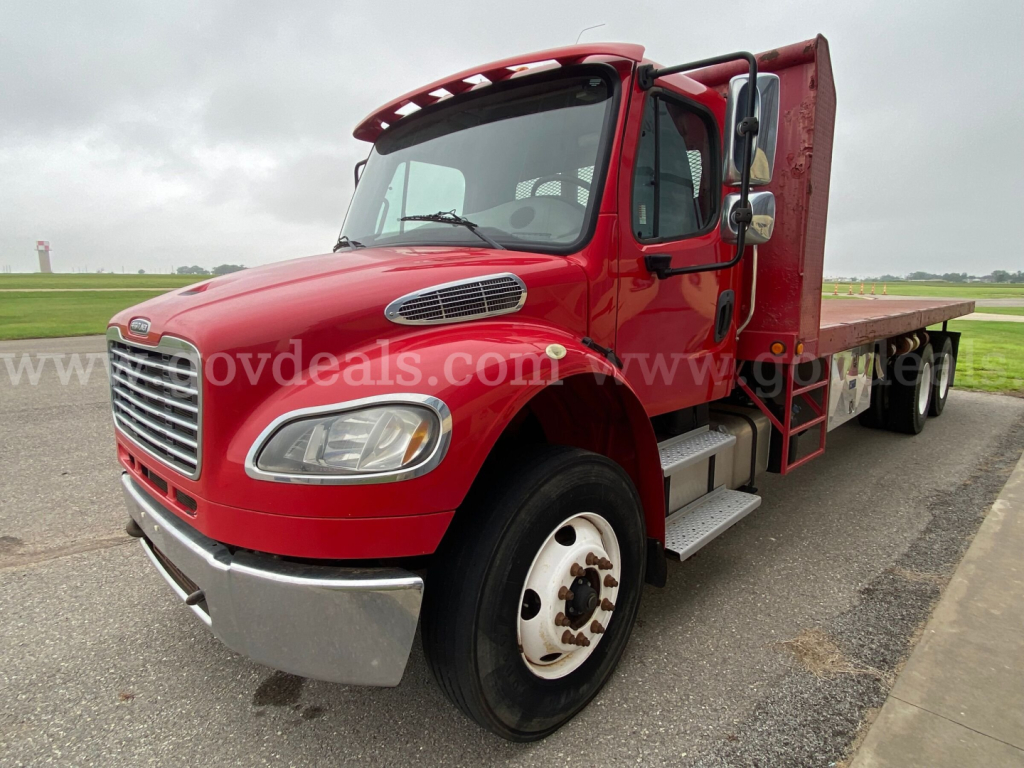
Have 2016 flatbed truck to sell? List it here to reach thousands of buyers.
About 2016 Flatbed Trucks
Frequently Asked Questions
What should I look at first when comparing 2016 flatbed trucks?
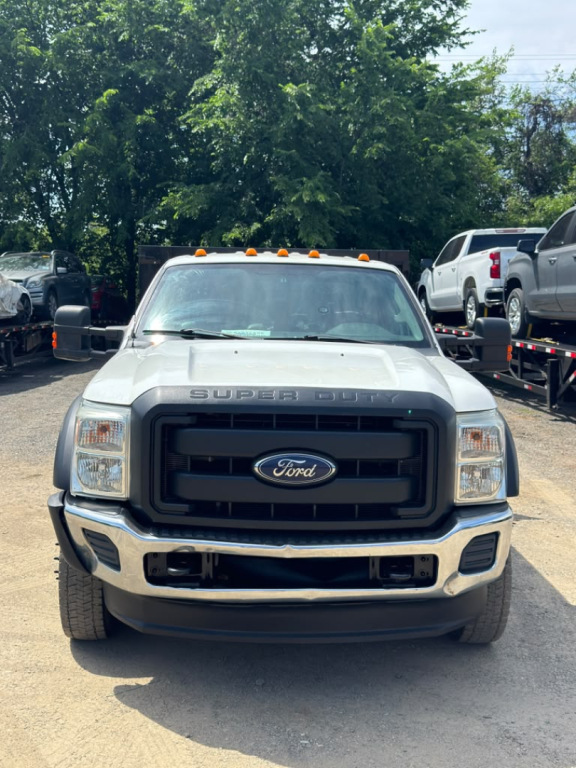
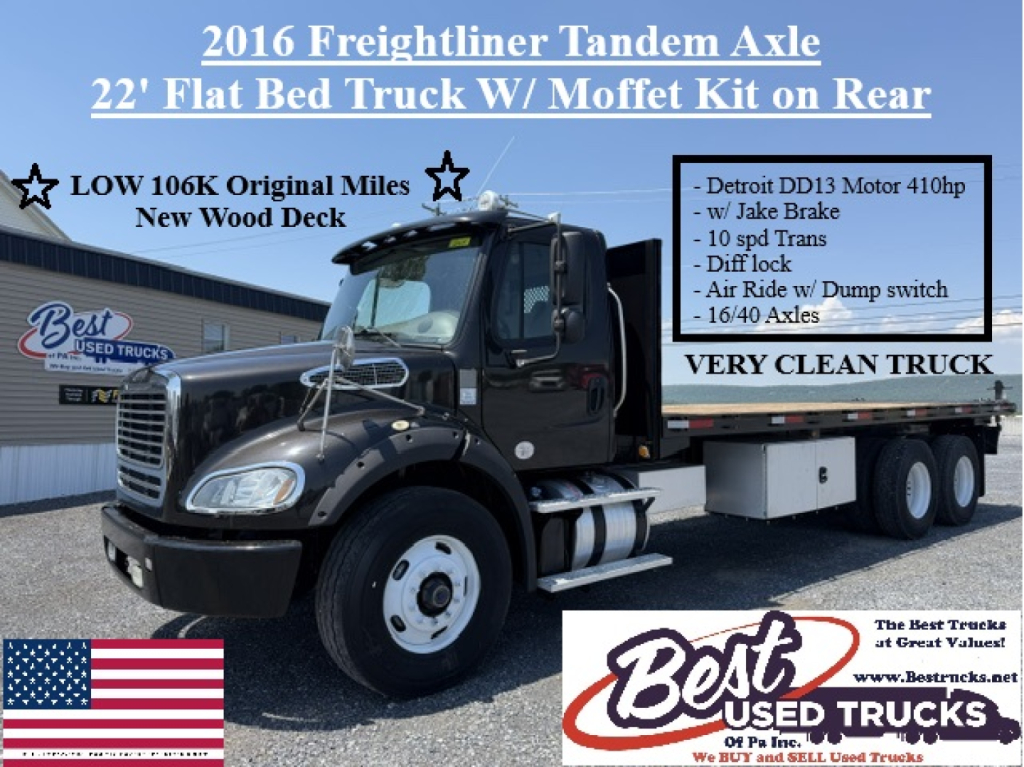
Start with GVWR, bed length, payload capacity, and the actual body setup. A 2016 flatbed can range from a light-duty pickup-based chassis to a medium-duty commercial truck, so the badge alone does not tell you what it can legally carry. Check deck material, tie-down points, headache rack design, rear hitch equipment, and whether the truck has ramps, a dovetail, or underbody toolboxes. Buyers should also verify wheelbase and cab-to-axle dimensions because those measurements affect body fit, turning radius, and load distribution.
Are 2016 flatbed trucks usually better with steel beds or aluminum beds?
Steel beds are typically chosen for harder daily use, concentrated loads, and jobsite durability. They handle abuse well and are common on contractor and equipment-hauling trucks, but they add weight and can reduce available payload. Aluminum beds save weight, resist corrosion better, and can increase payload on the same chassis rating. The better choice depends on what the truck hauls, how often it sees rough loading, and whether maximizing legal payload matters more than impact resistance.
What engines and transmissions are common on 2016 flatbed trucks?
In the 2016 market, light-duty and medium-duty flatbeds commonly use diesel powertrains from Ford, Ram, Chevrolet, Isuzu, Hino, Freightliner, and International, with gas engines appearing more often in lighter GVWR classes. Automatic transmissions are very common, especially on vocational and local-delivery applications, while some medium-duty units may have an Allison automatic paired with a diesel engine. The right powertrain depends on route length, average load, stop-and-go use, towing needs, and service support in your region.
How important is the bed configuration on a 2016 flatbed truck?
The bed configuration is critical because it determines how easily the truck can be loaded and how safely cargo can be secured. A plain platform works well for palletized freight, while a beavertail and spring-assisted ramps are better for small equipment and skid steers. Stake beds add versatility for loose materials, and features like rub rails, sliding winches, D-rings, and underbody boxes can make a big difference in day-to-day productivity. A truck with the right body setup can save more time than a truck with slightly better engine specs.
Is a 2016 flatbed truck a good fit for CDL and non-CDL operations?
It can be, depending on the truck’s GVWR and how it will be used. Many 2016 flatbed trucks fall under the 26,000 pound GVWR threshold and can be used in non-CDL applications, especially in Class 4 through 6 segments. Larger medium-duty flatbeds may require a CDL, particularly when towing or when the combined weight rating exceeds legal limits. Buyers should confirm GVWR, GCWR, axle ratings, and local regulatory requirements before matching a truck to a driver or route.