
2015 Flatbed Trucks For Sale
Shop 2015 flatbed trucks with common specs, GVWR ranges, bed styles, and hauling features for equipment, materials, and delivery work.
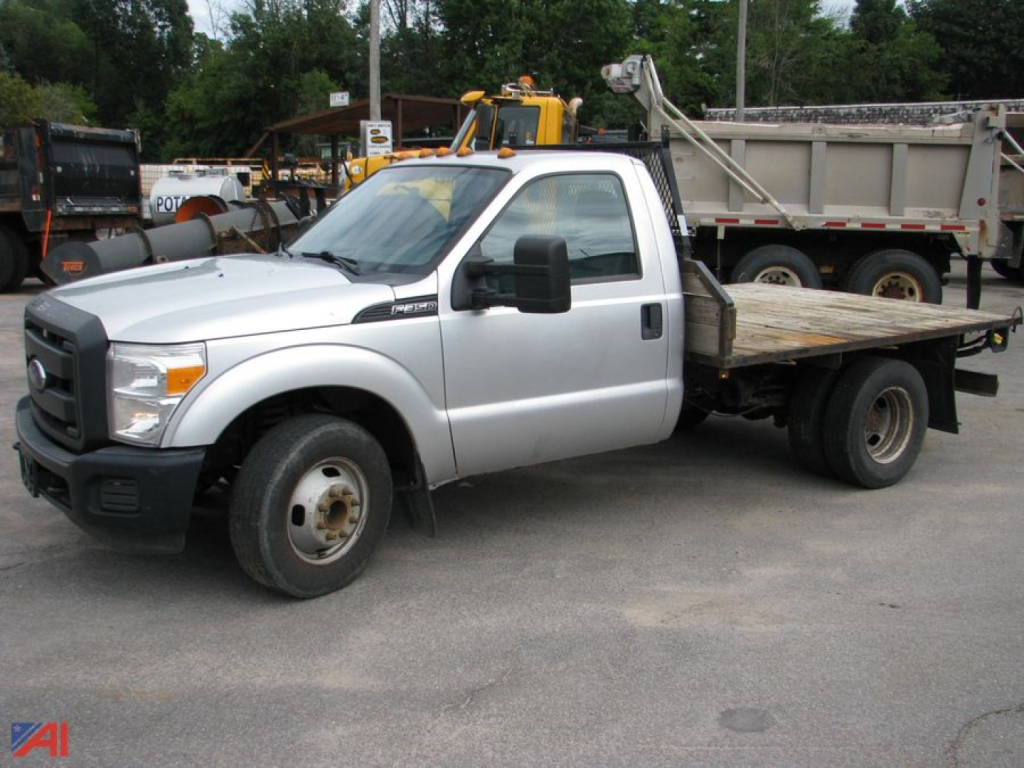

Selling a 2015 flatbed truck? List your 2015 flatbed truck for sale and reach thousands of commercial buyers.
2015 Flatbed Trucks
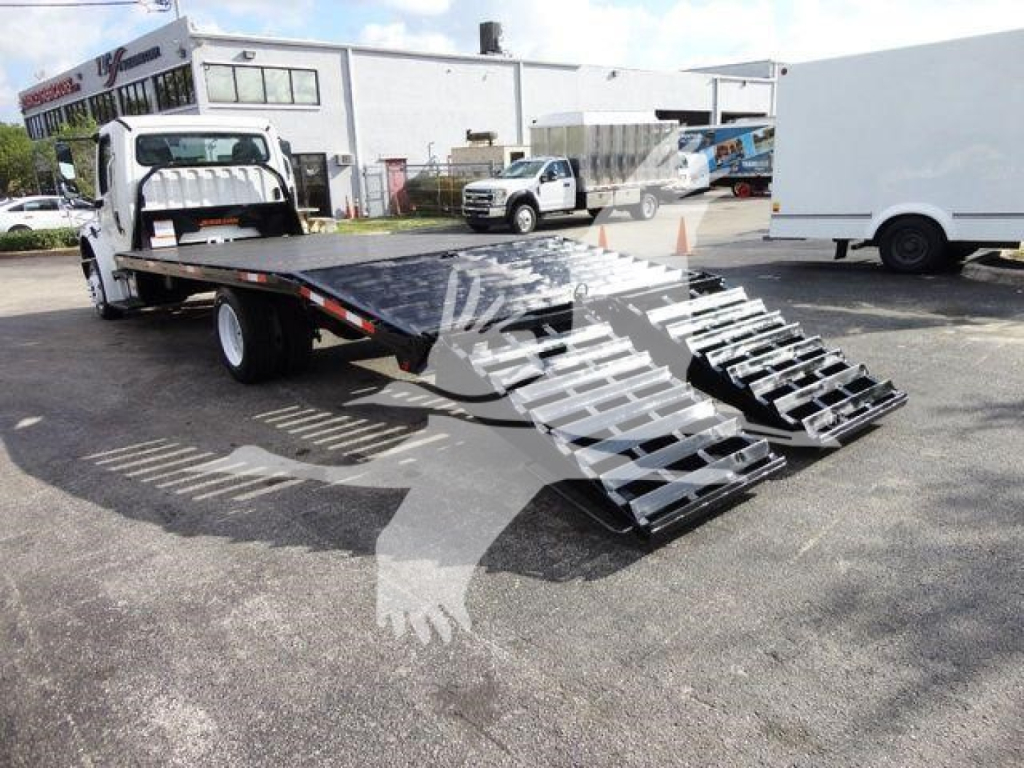
The first decision is usually payload and loading method. Lighter 2015 flatbed trucks in the 14,000 to 19,500 lb GVWR range are common for building supply delivery, landscape materials, palletized freight, and municipal work. Medium-duty units in the 23,000 to 33,000 lb GVWR range are better suited for equipment transport, steel, lumber, pipe, and machinery that needs more deck space and axle capacity. Buyers comparing a standard flat deck to a beavertail should pay close attention to deck height, ramp angle, rear suspension type, and whether the truck has a winch, D-rings, chain tie-down points, or removable side rails. If the truck will regularly carry forklifts, skid steers, scissor lifts, or small excavators, these details matter as much as the chassis badge.
On 2015 models, drivetrain and brake spec can vary widely, so it is worth matching the truck to the route and load profile. Diesel-powered medium-duty trucks from this period often pair a Cummins or Duramax with an Allison automatic, while lighter chassis may use a gas V8 or V10 for lower upfront cost and simpler service. Hydraulic brakes are common on lower GVWR trucks, while air brakes become more likely as capacity increases. Suspension is another key separator. Leaf spring rear suspensions are straightforward and durable, but air ride or air-assist setups can improve ride quality and make loading easier, especially on trucks equipped with a suspension dump feature. Tire size, rear axle ratio, and wheelbase all affect highway speed, turning radius, and how comfortably the truck handles a full deck.
Body condition matters on any used flatbed truck, and on a 2015 model the upfit deserves as much scrutiny as the cab and engine. Look closely at deck crossmembers, the headboard, hoist components if equipped, ramp hinges, winch mounts, and the condition of the wood or steel floor. Check for frame corrosion, overloaded spring packs, uneven tire wear, and evidence of hard towing or repeated equipment loading. A well-matched 2015 flatbed truck can still be a strong earner for contractors, rental fleets, hotshot-style local delivery, and equipment movers, provided the bed design, axle ratings, and securement hardware fit the job.
Frequently Asked Questions about 2015 Flatbed Trucks
What should I look for first when buying a 2015 flatbed truck?
Start with GVWR, usable payload, bed length, and the type of cargo you plan to haul. A 2015 flatbed truck may look similar from one listing to the next, but axle ratings, brake system, suspension, and body design can make it a very different truck in actual service. If you are loading equipment, confirm ramp capacity, beavertail length, winch setup, and tie-down points. If the work is palletized freight or building materials, focus on deck space, stake pockets, bulkhead design, and forklift-friendly loading height.
Are 2015 flatbed trucks better with gas or diesel engines?
It depends on duty cycle and chassis size. Gas engines on lighter 2015 flatbed trucks can be a good fit for local routes, lower annual mileage, and buyers who want lower acquisition cost. Diesel engines are more common on medium-duty units that spend more time loaded, run longer distances, or need stronger torque for hauling equipment and heavier materials. Engine choice should be based on load weight, route length, service access, and total operating cost rather than fuel type alone.
What bed styles are common on 2015 flatbed trucks?
Common body styles include plain steel or wood-deck flatbeds, stake beds, contractor bodies with tool storage, and equipment-hauling decks with beavertails and spring-assisted ramps. Some 2015 trucks also carry hydraulic hoist or dump-style flatbeds for crews that need both transport and unloading capability. The right body depends on how often you side-load, forklift-load, or drive cargo onto the deck.
Do I need air brakes on a 2015 flatbed truck?
Not always. Many lighter 2015 flatbed trucks use hydraulic brakes and perform well in local delivery or contractor service. Air brakes become more common as GVWR and intended payload increase, especially on medium-duty trucks hauling equipment or dense materials. Buyers should match the brake system to truck class, licensing requirements, maintenance preferences, and the terrain where the truck will operate.
How important is the flatbed upfit condition on a 2015 truck?
It is extremely important because the body often determines how useful the truck will be on the job. On a 2015 flatbed truck, inspect the deck surface, crossmembers, headboard, rub rails, stake pockets, toolbox mounts, and all securement hardware. If the truck has ramps, a beavertail, or a hoist, inspect hinges, cylinders, wiring, and structural mounting points. A solid chassis with a worn-out bed can become expensive quickly, while a well-built upfit can extend the truck's value and productivity.