
2012 Flatbed Trucks For Sale
Shop 2012 flatbed trucks for sale. Compare bed length, GVWR, drivetrain, deck material, and hauling features for delivery and job-site work.
Learn more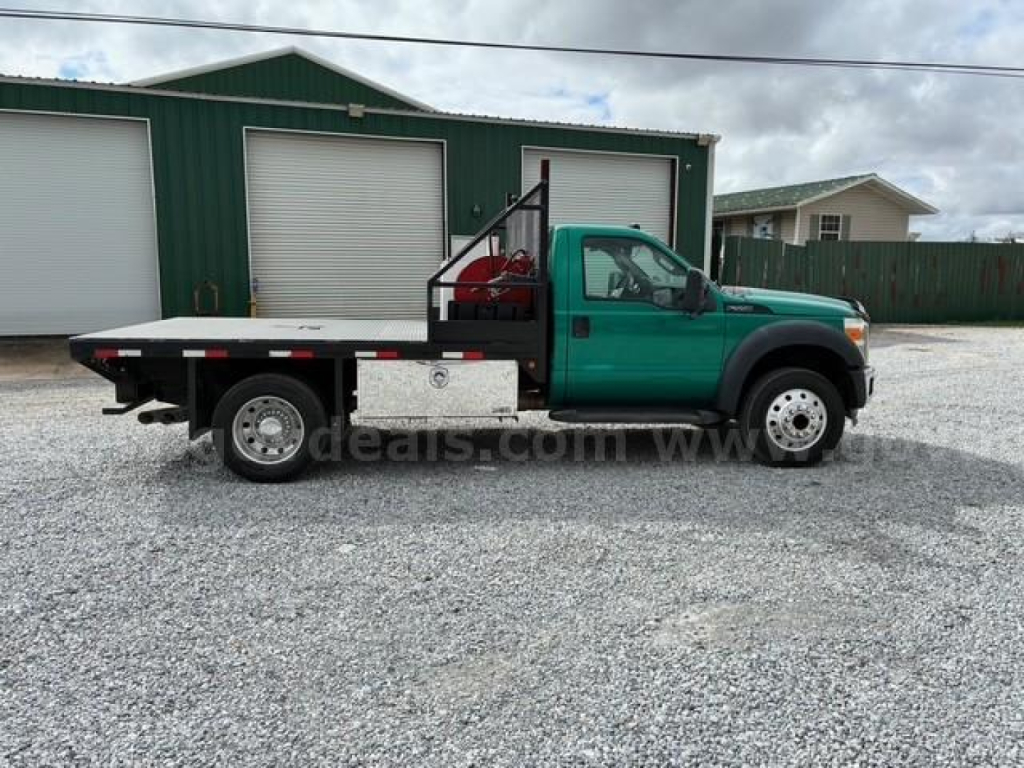
Have 2012 flatbed truck to sell? List it here to reach thousands of buyers.
About 2012 Flatbed Trucks
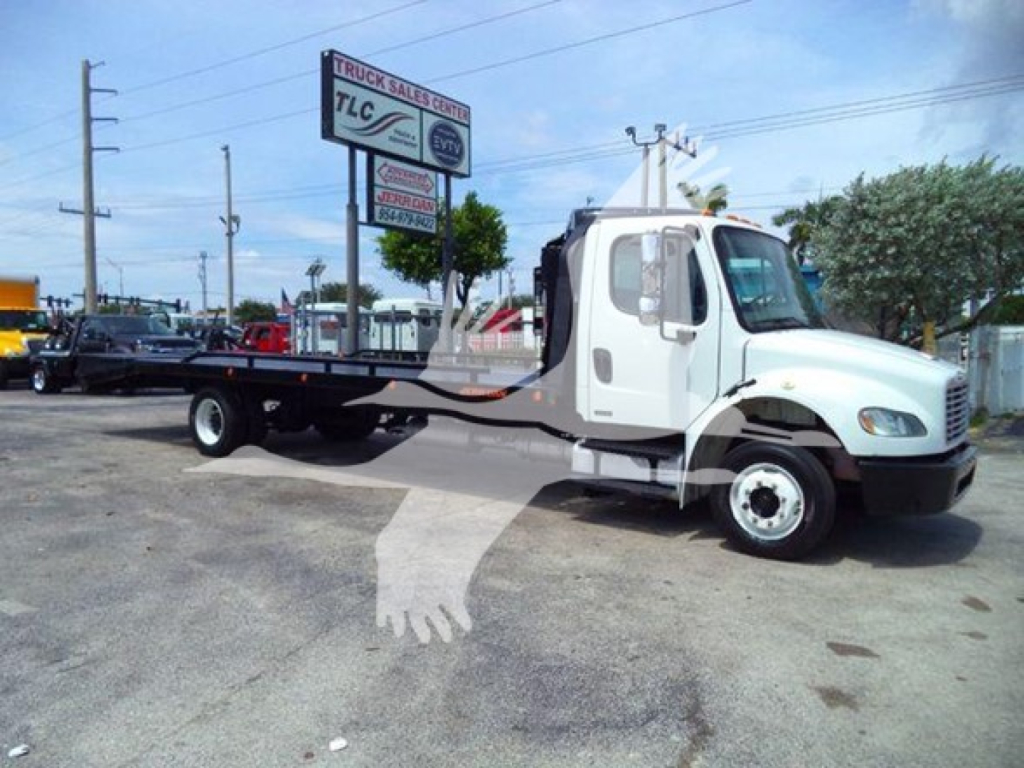
Bed configuration matters as much as the chassis. Common setups include straight flat decks, stake beds, and flatbeds with beavertails and spring-assisted fold-down ramps for loading small machines. Steel decks are typically favored for durability and abuse tolerance, while aluminum beds reduce curb weight and can improve payload. Useful body features include stake pockets, rub rails, headache racks or headboards, ICC bumpers, and tie-down points placed where they support the load pattern. If the truck will carry palletized freight, deck width, deck height, and forklift access are important. If it will move skid steers, scissor lifts, or compact tractors, ramp angle, rear overhang, and bed capacity become more important than deck finish.
On 2012 flatbed trucks, powertrain choices often separate lighter local-use trucks from higher-cycle commercial units. Gas-powered trucks from this era can make sense for shorter routes and lower annual mileage, especially where maintenance simplicity is a priority. Diesel models are usually the better fit for heavier payloads, towing, and longer service cycles. Buyers should look closely at transmission type, rear axle ratio, suspension design, brake system, and tire size because those details affect startability, ride quality, and operating cost. On diesel units, emissions equipment deserves extra attention given the age of the platform. Service records, idle hours, PTO operation if equipped, and signs of frame or deck corrosion are all worth checking before purchase.
A strong 2012 flatbed truck is defined less by badge and more by how well the truck, body, and intended application line up. Measure the usable deck space, verify the body builder installation, and confirm that the truck's GVWR and axle capacities still support the work you plan to do. Also check for common vocational add-ons such as toolboxes, trailer hitches, pintle hooks, gooseneck balls, Moffett mounts, backup cameras, and lighting upgrades. For buyers comparing multiple listings, the best value usually comes from a truck with the right bed design, clean frame condition, and a spec that matches the load cycle instead of simply the lowest price.
Frequently Asked Questions
What should I check first on a 2012 flatbed truck?
Start with GVWR, front and rear axle ratings, wheelbase, and actual bed dimensions. Those numbers determine whether the truck can legally and safely handle your freight. After that, inspect deck condition, frame rust, crossmembers, tie-down points, suspension wear, brake condition, and tire age. On a used 2012 model, maintenance records and evidence of how the body was mounted are just as important as engine mileage.
Is a steel or aluminum flatbed better on a 2012 truck?
Steel flatbeds are generally better for hard vocational use, equipment loading, and repeated abuse because they resist impact well and are easier to repair. Aluminum flatbeds reduce body weight, which can improve payload and corrosion resistance. The better choice depends on the job. If the truck sees rough materials, ramps, and machine loading, steel is often preferred. If payload and rust resistance matter more, aluminum can be the stronger fit.
Are 2012 diesel flatbed trucks still a good buy?
They can be, provided the truck has been maintained properly and the emissions system is functioning as intended. A 2012 diesel flatbed can still offer solid torque, better suitability for heavy loads, and longer-duty components than lighter gas units. Buyers should pay close attention to service history, engine hours, injector or turbo work, aftertreatment condition, and any warning signs of excessive idle time or neglected regeneration issues.
What bed length is most useful on a flatbed truck?
The right bed length depends on cargo type more than truck class. Shorter beds can work well for city delivery, service body replacement, and maneuverability-sensitive routes. Beds in the 16-foot to 24-foot range are common for building materials, palletized freight, and equipment transport. Longer decks improve load flexibility but can reduce maneuverability and change weight distribution, so they should be matched carefully to the truck's wheelbase and axle ratings.
Can a 2012 flatbed truck be used for equipment hauling?
Yes, many can, especially if they are equipped with a beavertail, fold-down ramps, and a bed rated for concentrated machine weight. The key is not just total payload but how that weight sits on the deck. Buyers should verify deck capacity, ramp rating, rear axle capacity, tire load rating, and securement points. Compact equipment hauling also benefits from a proper headboard, traction-friendly deck surface, and enough wheelbase to keep the truck stable when loaded.