
Commercial Trucks For Sale Near Fisher, Arkansas
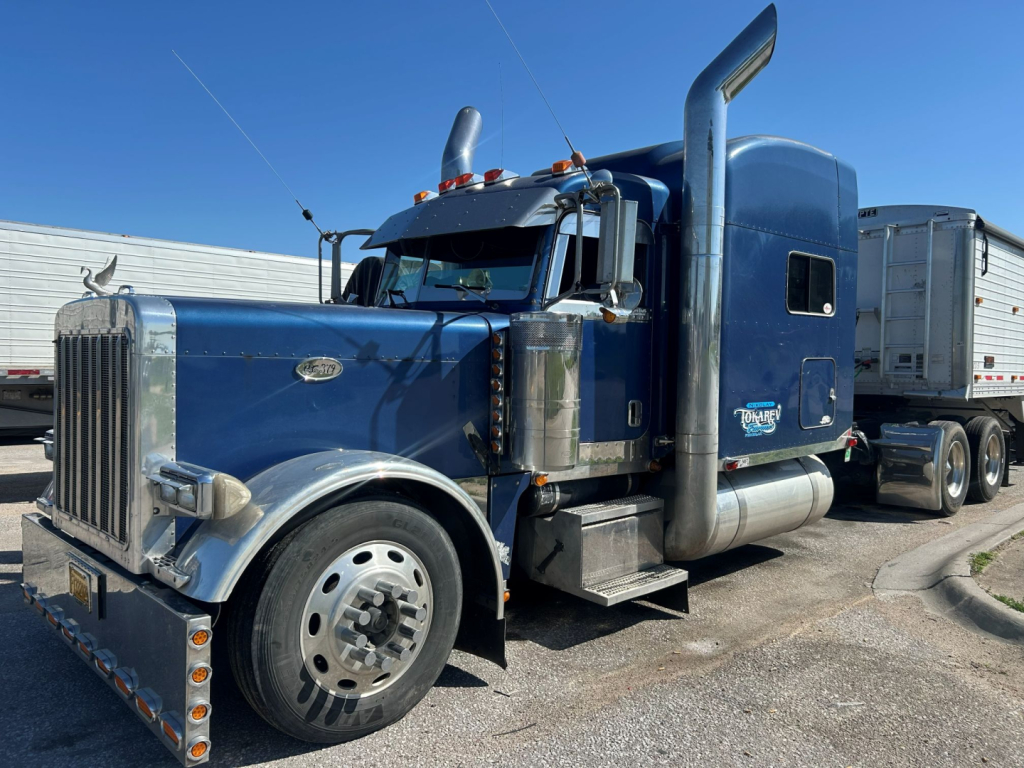
Have commercial truck to sell? List it here to reach thousands of buyers.
Commercial Trucks Near Fisher, Arkansas
Powertrain decisions drive operating cost more than almost any other factor. Buyers typically compare diesel engine make, horsepower, torque rating, emissions system generation, transmission choice, rear axle ratio, and total mileage or hours where applicable. On highway trucks, the difference between a fuel mileage spec and a heavy-haul spec can be significant, especially when looking at 6x4 versus 6x2 layouts, manual versus automated manual transmissions, and tandem versus single axle setups. For vocational trucks, front axle capacity, frame strength, locking differentials, suspension type, and PTO provisions matter just as much as engine size.
Condition and spec alignment are what separate a good value from a costly mismatch. A buyer should look closely at maintenance history, engine rebuild records, brake and suspension wear, tire condition, fifth wheel setup, and any signs of frame modification or rust exposure. If the truck will pull a van, flatbed, hopper, or lowboy, confirm the wheelbase, kingpin-to-rear-axle setting, and fuel tank layout match the intended trailer. If the unit will carry a body or specialized equipment, check frame rail dimensions, axle spacing, GVWR, and available upfit room. Interior condition, bunk configuration, and driver comfort also matter on sleeper trucks because downtime often starts with cab neglect.
Used trucks for sale can vary widely even within the same make and model, so the best comparison is side by side on actual work requirements. Popular manufacturers include Peterbilt, Kenworth, Freightliner, International, Volvo, Mack, and Western Star, each with different strengths in cab layout, service network, and vocational or over-the-road applications. The right truck is the one whose specs fit the route, payload, trailer, and maintenance plan without forcing expensive changes after purchase.
Frequently Asked Questions about Commercial Trucks Near Fisher, Arkansas
What should I compare first when shopping for trucks for sale?
Start with the intended job. Cab style, axle configuration, GVWR or GCWR, engine rating, transmission type, and wheelbase will tell you quickly whether a truck fits long-haul freight, regional work, local delivery, or vocational service. After that, compare maintenance records, mileage, hours, tire condition, brake wear, and any evidence of engine, transmission, or frame work.
What is the difference between a day cab and a sleeper truck?
A day cab is built for local and regional routes where the driver returns regularly and does not need a bunk. A sleeper truck includes a rear sleeping compartment and is generally better suited for over-the-road work, longer dispatch cycles, and teams. Sleeper size, storage, and wheelbase can vary significantly, so the choice affects both driver comfort and trailer maneuverability.
How important is axle configuration on a used truck?
Axle configuration is critical because it affects legal payload, traction, fuel economy, maintenance cost, and intended application. A 6x4 tandem axle truck is common for heavier freight and rougher conditions, while a single axle or lighter spec can make sense for lower gross weights and tighter operating costs. Buyers should also verify axle ratings, suspension type, and differential setup before matching a truck to a route or body.
What should I inspect on a used highway tractor before buying?
Pay close attention to engine service history, emissions components, transmission operation, clutch condition if applicable, rear end noise, suspension wear, and brake system condition. Inspect the fifth wheel, frame rails, crossmembers, steering components, and tire wear pattern for signs of alignment issues or hard use. Cab condition, sleeper equipment, and electrical accessories also matter because deferred repairs in those areas can add up quickly.