
Used Freightliner Fire Trucks For Sale
Browse used Freightliner fire trucks, including pumpers and municipal units, with key details on chassis, pump ratings, tank size, and service use.
Learn more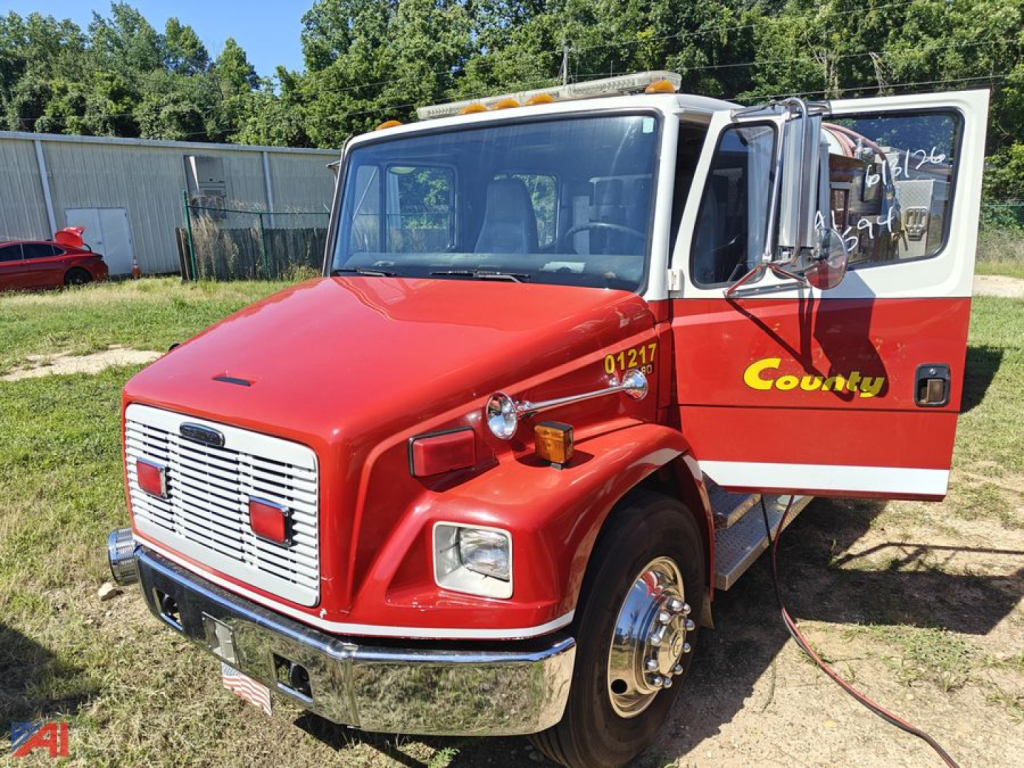
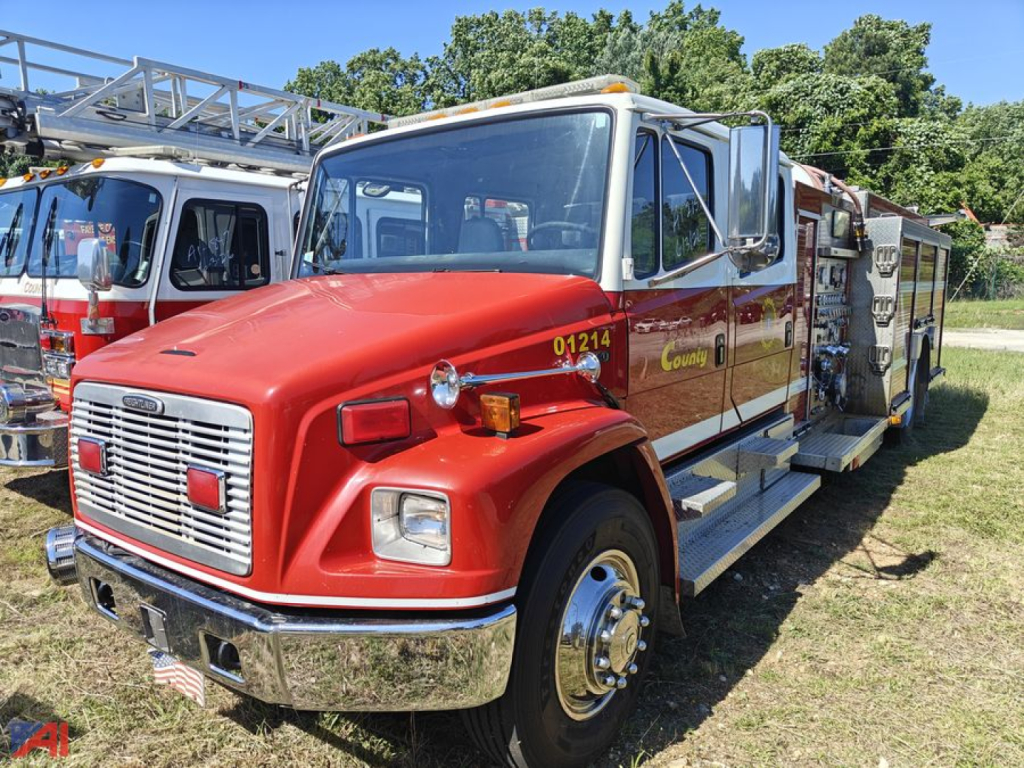
Have used freightliner fire truck to sell? List it here to reach thousands of buyers.
About Used Freightliner Fire Trucks
The first buying decision is usually application. A pumper or engine company unit should be evaluated around pump rating, water tank capacity, hose bed layout, compartment space, generator or scene-lighting equipment, and overall maneuverability. Common pump capacities on used fire trucks include 1,000 GPM, 1,250 GPM, and 1,500 GPM, with tank sizes varying widely depending on whether the truck was built for municipal response, rural water supply, or industrial protection. If the truck will be used in a rural district, bridge weight, wheelbase, turning radius, and portable tank storage can matter just as much as pump output. If it is going into a support role, buyers often focus more on cabinet storage, crew seating, electrical system condition, and PTO-driven equipment.
A Freightliner fire truck should also be assessed as both a truck chassis and a piece of emergency equipment. On the chassis side, buyers typically review engine make and horsepower, transmission type, front and rear axle ratings, brake system, tire date codes, rust exposure, and maintenance records. On the apparatus side, the key checks are pump test documentation, tank condition, corrosion around plumbing, valve operation, primer function, foam system components if equipped, and the age and status of electronics such as sirens, warning lights, intercoms, and multiplex controls. Many used units have spent years in municipal service with low mileage but high idle hours, so engine hours and pump hours can tell more than the odometer alone.
Compatibility with local regulations and department procedures is another major factor. Buyers should confirm current NFPA-related fit for their intended use, seating and SCBA mount configuration, ladder and hose complement capacity, and whether the warning package, radios, and scene lighting need updating. Parts support is often easier when the Freightliner chassis uses common medium-duty components, but body and pump parts depend on the apparatus builder and installed equipment. A well-kept used Freightliner fire truck can serve effectively as a front-line unit in a smaller district, a reserve apparatus, a training truck, or a station-specific support vehicle if the pump, tank, chassis ratings, and maintenance history align with the mission.
Frequently Asked Questions
What should I check first on a used Freightliner fire truck?
Start with the truck’s intended role, then verify the pump rating, tank size, engine hours, pump hours, and maintenance history. After that, inspect the chassis and the emergency equipment separately. A used fire truck can look clean cosmetically while still having issues with pump seals, plumbing corrosion, electrical controls, or outdated warning systems. Pump test records, service documentation, and evidence of regular apparatus inspections are some of the most valuable items a buyer can review.
Are Freightliner fire trucks good for smaller departments or reserve service?
Yes. Many used Freightliner fire trucks fit small municipal departments, volunteer companies, industrial facilities, and reserve fleets because the chassis is often serviceable through medium-duty truck networks and parts channels. They are commonly chosen for reserve engine duty, rural response, training, or support roles where a department needs reliable capability but does not require a new custom cab apparatus. The actual suitability still depends on pump capacity, tank size, compartment layout, and the condition of the fire body and installed systems.
How important are pump hours compared to mileage?
Pump hours are extremely important because a fire truck may accumulate relatively low road mileage while spending significant time operating at incidents, training events, and pump tests. High idle time and pump use affect the engine, PTO components, cooling system, and pump assembly in ways the odometer does not show. A buyer should compare mileage, engine hours, and pump hours together rather than relying on one number. That gives a more accurate picture of total wear.
What types of used Freightliner fire trucks are most common?
Pumper and engine configurations are among the most common, but buyers may also find tanker units, rescue trucks, brush trucks, and specialty support apparatus built on Freightliner chassis. Medium-duty Freightliner platforms have been used by many apparatus builders because they offer a workable balance of GVWR, cab options, and serviceability. The exact body type matters more than the brand name alone, since hose storage, compartment design, seating layout, and water capacity vary widely from one build to another.
Do older used fire trucks create compliance or equipment upgrade issues?
They can. Older apparatus may still be mechanically sound but require updates to lighting, communications, SCBA seating arrangements, or other safety-related equipment to match current department standards or local requirements. Buyers should also verify emissions rules, title status, and any state or municipal regulations tied to emergency vehicle operation. In many cases, an older Freightliner fire truck is best suited for reserve, training, or facility support use if bringing it fully up to current front-line expectations would be too costly.