
Freightliner Fire Trucks For Sale
Browse Freightliner fire trucks, including pumper and custom municipal builds, with diesel power, PTO-driven pumps, and service-ready chassis options.
Learn more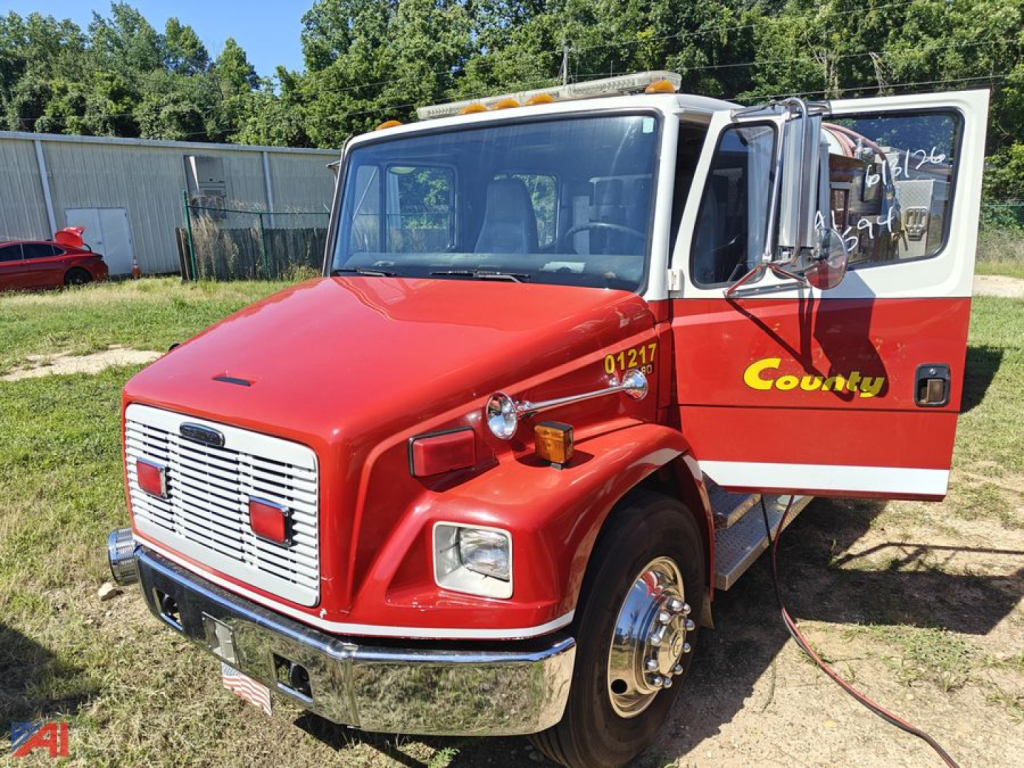
Have freightliner fire truck to sell? List it here to reach thousands of buyers.
About Freightliner Fire Trucks
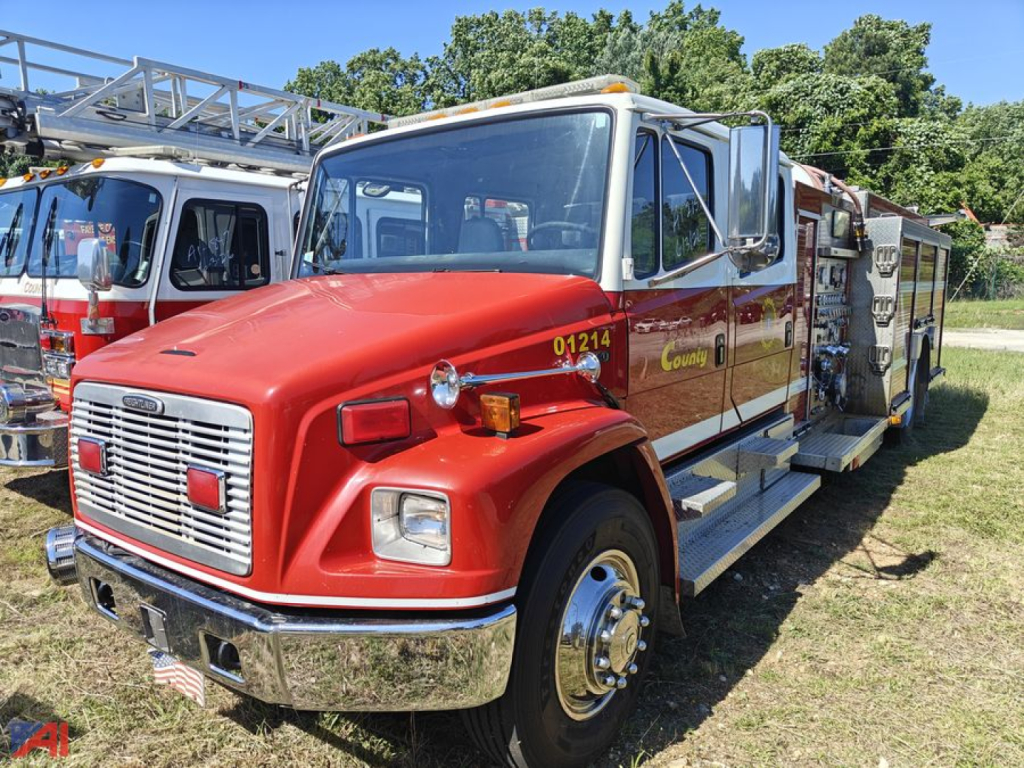
The most important buying decision is how the apparatus body and fire package were built around the chassis. A Freightliner fire truck may carry a midship or rear-mounted pump, a water tank sized for municipal or rural response, and hose bed, ladder storage, and compartment layouts that reflect its intended role. Pump ratings, tank capacity, generator setup, PTO configuration, foam system presence, and plumbing condition should all be reviewed closely. On older units, the fire body, pump, valves, electronics, and corrosion condition often matter more than the base chassis itself. A strong diesel engine and solid transmission do not offset neglected pump testing, rust in the body structure, or outdated emergency warning systems.
Cab style and crew configuration also shape usability. Some Freightliner fire trucks use a standard commercial cab, while others have extended crew seating or custom body integration for additional firefighters and gear. Buyers should confirm seating positions, SCBA seat provisions, GVWR, axle ratings, wheelbase, turning radius, and compartment access before comparing listings. In tighter municipal environments, overall length and maneuverability can be as important as tank size. In rural service, ground clearance, water capacity, and dependable PTO engagement may carry more weight than compact dimensions.
A good Freightliner fire truck for sale should be evaluated as both a truck and a piece of emergency equipment. Maintenance records, annual pump test documentation, engine hours if equipped, mileage, rust exposure, and the condition of lighting, siren, ladders, suction hose, and onboard accessories all affect value. For departments, contractors, airport support teams, or industrial facilities looking at this category, the best unit is usually the one with a chassis that can be serviced locally and an apparatus package that matches the actual response profile without adding unnecessary complexity.
Frequently Asked Questions
What types of Freightliner fire trucks are most common?
Freightliner fire trucks are commonly found as pumper trucks, tankers, rescue units, brush trucks, and support apparatus built on commercial vocational chassis. The exact configuration depends on the body builder and the department’s needs. Many buyers in this category focus on pumpers because they balance roadability, serviceability, and practical water and equipment capacity.
What should I inspect first on a used Freightliner fire truck?
Start with the pump test records, tank and plumbing condition, and any signs of corrosion in the apparatus body or compartment structure. After that, review engine and transmission service history, PTO operation, warning light function, tire date codes, brake condition, and any evidence of frame rust or electrical issues. On a fire truck, the emergency equipment systems and body integrity can be just as important as the chassis mileage.
Are Freightliner fire trucks easier to maintain than custom fire chassis?
In many cases, yes. Freightliner commercial chassis are generally easier to service through truck repair networks that already know the platform and have access to common parts. That does not mean the full apparatus is simple, because the pump, valves, electrical systems, body, and emergency gear still require specialized inspection and maintenance. The chassis side is often more straightforward than the fire package side.
Is a Freightliner fire truck a good fit for municipal and rural departments?
It can be a strong fit for both, but the right configuration differs by application. Municipal buyers may prioritize maneuverability, crew access, hose layout, and a dependable midship pump for hydrant-based response. Rural departments often place more value on larger tank capacity, simple plumbing, reliable PTO-driven pump operation, and durable chassis components that can handle longer runs and mixed road conditions.
How do I compare one Freightliner fire truck listing to another?
Compare the apparatus by role before comparing it by price. Look at pump rating, tank size, cab seating, compartment layout, generator or foam equipment, GVWR, axle capacity, mileage, and documented maintenance. A lower-priced unit may cost more over time if the pump has not been tested regularly, the body has corrosion, or the truck’s layout does not fit the intended response use.