
Commercial Trucks For Sale Near Fayetteville, North Carolina
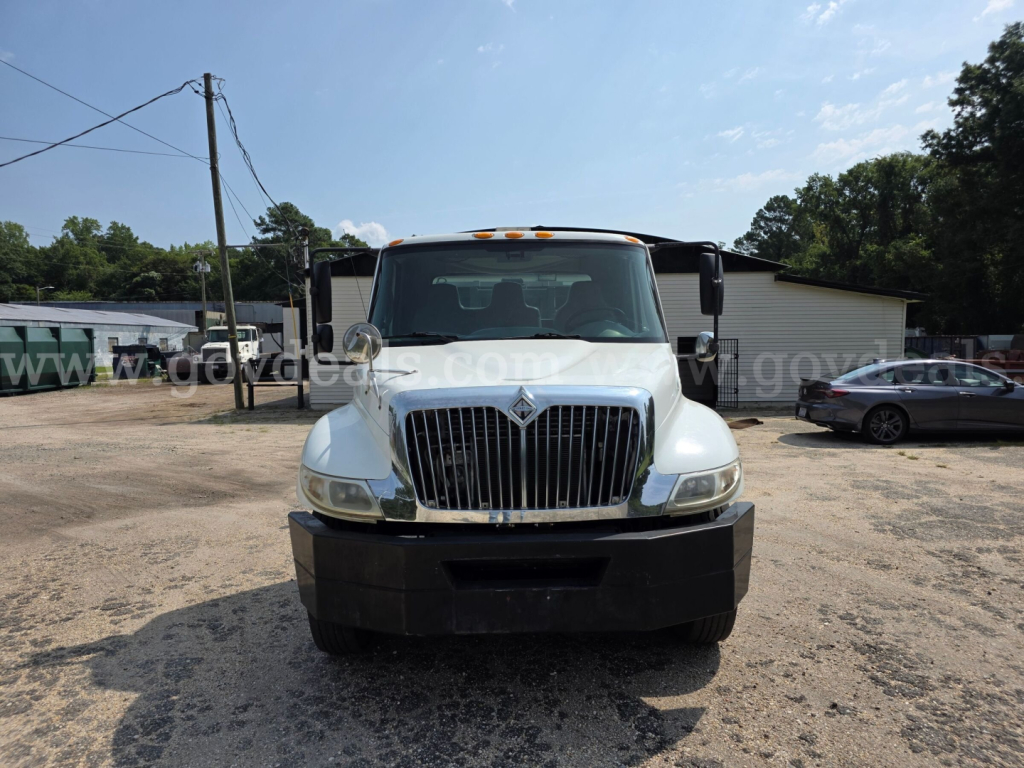
Have commercial truck to sell? List it here to reach thousands of buyers.
Commercial Trucks Near Fayetteville, North Carolina
Frequently Asked Questions about Commercial Trucks Near Fayetteville, North Carolina
What should I look at first when comparing trucks for sale?
Start with the truck’s intended application, then verify GVWR, axle rating, and body configuration. A truck that is right on paper can still be a poor fit if the wheelbase, PTO setup, suspension, or transmission does not match the work. Buyers should also review engine horsepower and torque, front and rear axle ratings, brake type, tire size, and any body-specific equipment such as dump hydraulics, pintle hitches, tool storage, or trailer connections.
How important is GVWR when buying a commercial truck?
GVWR is one of the most important numbers on any truck because it affects payload, registration class, licensing requirements, and legal operating limits. In many vocational applications, a truck near 26,000 GVWR can be attractive because it may avoid CDL requirements in certain setups, while higher ratings provide more carrying capacity but can change compliance and driver qualification needs. Buyers should confirm both GVWR and actual empty weight to understand usable payload.
What truck features matter most for dump and vocational work?
For dump and vocational trucks, the key items are frame strength, hydraulic performance, axle capacity, suspension, and body material. Steel dump bodies are common for abrasive material and heavier-duty site work, while hitch equipment, PTO operation, and brake condition can have a direct impact on daily usability. It is also smart to check turning radius, cab condition, fuel capacity, and service history because these trucks often spend long hours in stop-and-go environments.
Are automatic transmissions common in medium-duty trucks?
Yes. Automatic transmissions are common in medium-duty and vocational trucks because they reduce driver fatigue, simplify training, and work well in urban routes, job sites, and mixed-use applications. Manual transmissions still appeal in certain fleets, especially where driver preference, terrain, or maintenance strategy favors them, but many buyers now prioritize automatics for ease of operation and broader driver acceptance.
Why does axle configuration matter when shopping for trucks?
Axle configuration affects payload, traction, maintenance cost, and where the truck performs best. A single-axle 4x2 truck is often easier to maneuver, lighter, and less expensive to operate, which makes it practical for many local and regional jobs. Tandem axles and more specialized configurations increase carrying capability and jobsite durability, but they also add weight, complexity, and operating cost. Matching axle setup to the actual load profile is one of the most important buying decisions.