
Commercial Trucks For Sale Near Farmington, New Mexico
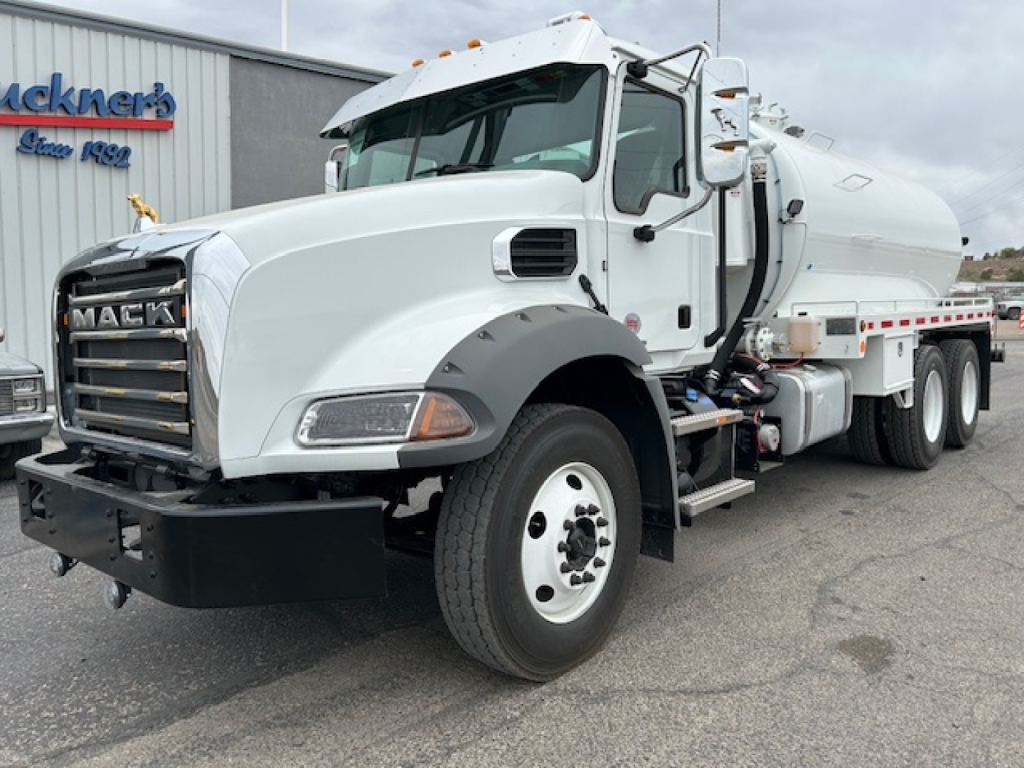
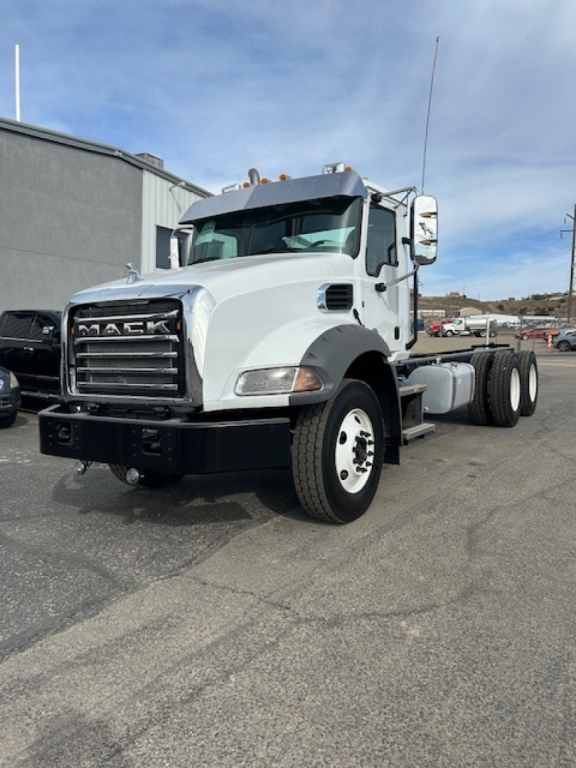
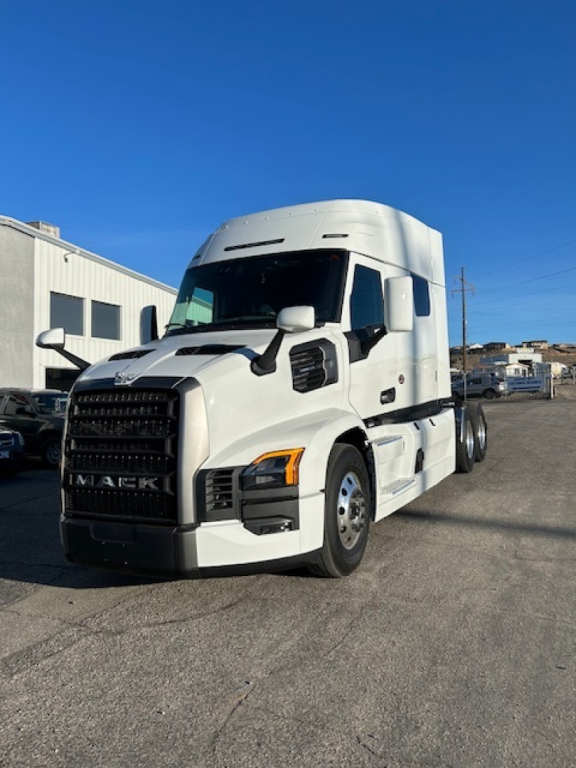
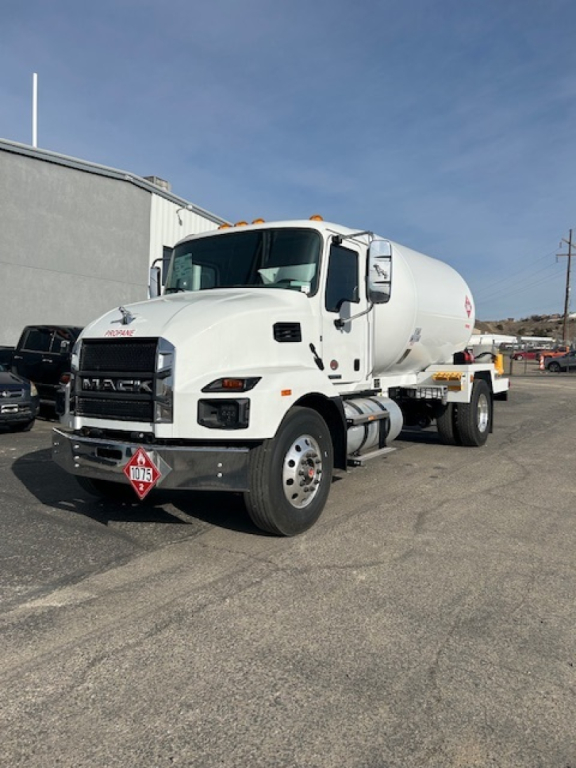
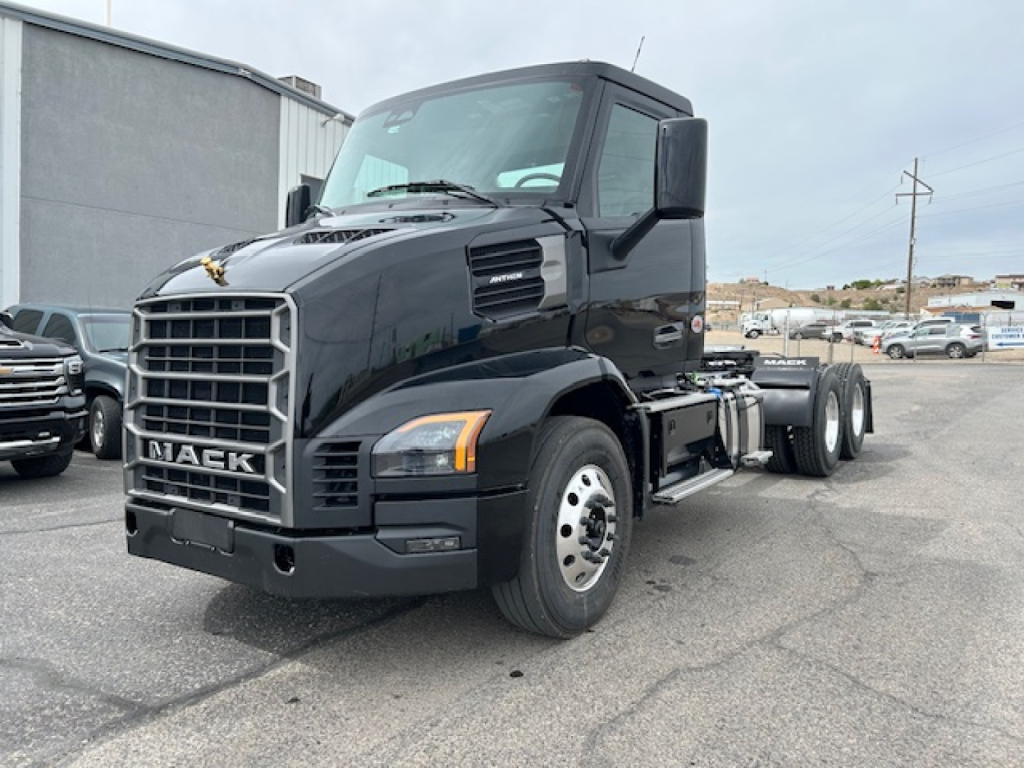
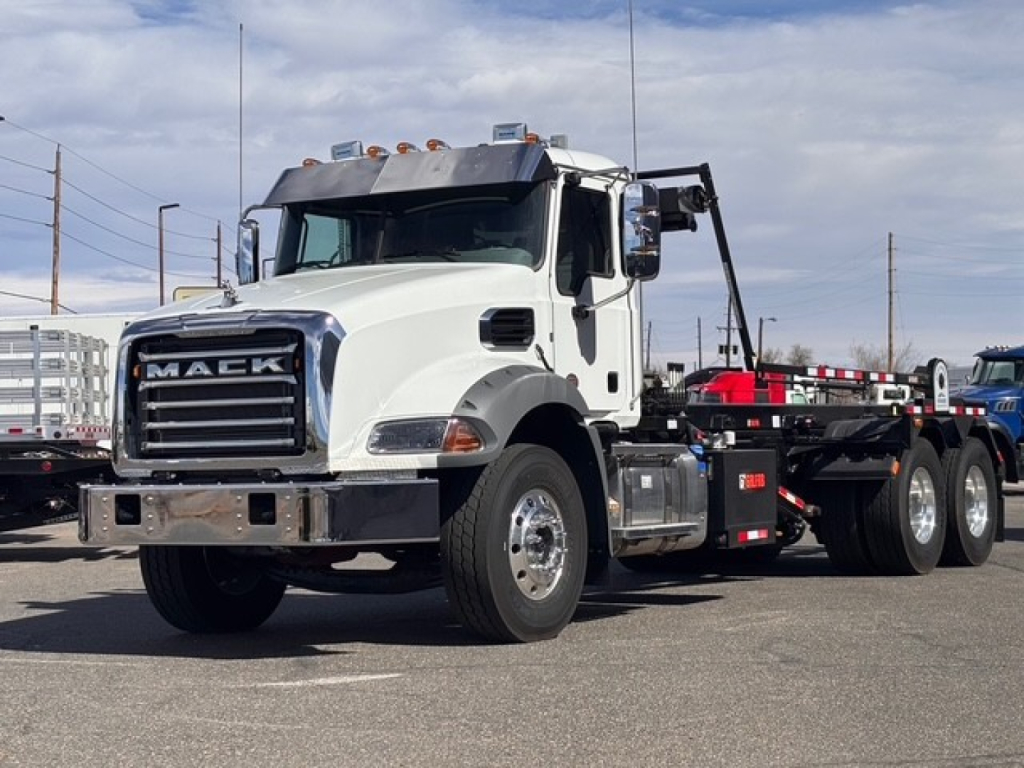
Have commercial truck to sell? List it here to reach thousands of buyers.
Commercial Trucks Near Farmington, New Mexico
In this market, common configurations range from Class 6 and Class 7 single-axle trucks to tandem-axle Class 8 units. Medium-duty platforms often use diesel engines in the 300 to 350 horsepower range with automatic transmissions, making them a practical fit for route delivery, utility service, and tank applications where maneuverability matters. Heavy-duty vocational trucks and road tractors typically move into the 450 to 515 horsepower range, with tandem rears, higher GVWRs, and automated manual transmissions designed for hauling, jobsite access, or long regional runs. Rear axle ratios, suspension design, and wheelbase all matter here. A shorter wheelbase improves turning in tight yards and urban delivery areas, while a longer wheelbase can better support certain body installations and load distribution.
Buyers in northwestern New Mexico also need to think about terrain, climate, and operating radius. Farmington-area fleets often need trucks that can handle elevation changes, oilfield and industrial work, and a mix of pavement and rougher site access. That makes engine torque, cooling performance, front axle capacity, and suspension durability more important than headline horsepower alone. Vocational trucks may need heavier front ends, severe-duty suspensions, and transmission gearing with low-speed control for off-road starts or pump-driven applications. Highway-oriented sleepers and conventional tractors should be evaluated for rear ratio, fuel economy potential, and driveline spec to match loaded speed, gross combination weight, and regional lane profile.
A good truck purchase in this category comes down to matching the chassis to the work already on your schedule. Check axle ratings against legal payload, confirm wheelbase against the body or trailer you plan to run, and make sure the engine and transmission are appropriate for stop-and-go service, PTO use, or highway miles. Buyers comparing trucks for sale should also verify emissions system history, brake type, cab configuration, and service access for the make they choose. When the spec is right, the truck will do more than move freight or equipment. It will lower downtime, improve driver usability, and fit the job without being overbuilt or under-trucked.
Frequently Asked Questions about Commercial Trucks Near Farmington, New Mexico
What should I look at first when comparing trucks for sale?
Start with the truck’s intended application, then compare GVWR, axle configuration, wheelbase, engine rating, and transmission type. Those core specs determine whether the truck can legally and efficiently handle the body, trailer, payload, and route profile you plan to run. A truck that looks similar on paper can perform very differently depending on rear axle ratio, suspension, and front axle capacity.
How do I choose between a single-axle and tandem-axle truck?
A single-axle truck usually makes sense for lighter payloads, tighter turning environments, and body applications where maneuverability is a priority. A tandem-axle truck is better suited for heavier loads, higher GVWR requirements, and more demanding vocational or highway work. The right choice depends on legal weight limits, body length, operating terrain, and whether the truck will spend most of its time on local routes, jobsites, or under trailer loads.
Why does wheelbase matter when buying a truck?
Wheelbase affects turning radius, ride quality, weight distribution, and body fitment. A shorter wheelbase is generally easier to maneuver in urban service, fuel delivery, and tight yard conditions. A longer wheelbase can be necessary for larger tanks, service bodies, refuse equipment, or sleeper configurations, and it can improve chassis balance when the truck carries a body with concentrated rear weight.
Are horsepower and torque equally important in truck selection?
Horsepower matters for maintaining speed, but torque and gearing usually matter more in real-world work applications. Trucks used in hilly terrain, stop-and-go service, off-road access, or PTO-driven operations benefit from strong low-end torque and the correct transmission and rear ratio combination. A properly matched driveline will often outperform a higher horsepower truck that is geared incorrectly for the job.
What truck specs matter most for vocational use in Farmington, New Mexico?
For vocational work in the Farmington area, pay close attention to front axle capacity, rear suspension type, PTO compatibility, cooling capacity, ground clearance, and traction-oriented gearing. Oilfield support, tank applications, utility work, and mixed on-road or off-road service put more stress on the chassis than standard linehaul use. A severe-duty spec with the right axle ratings and suspension package is often more important than premium interior options or maximum top-speed gearing.