
Commercial Trucks For Sale Near Fairless Hills, Pennsylvania
Have commercial truck to sell? List it here to reach thousands of buyers.
Commercial Trucks Near Fairless Hills, Pennsylvania
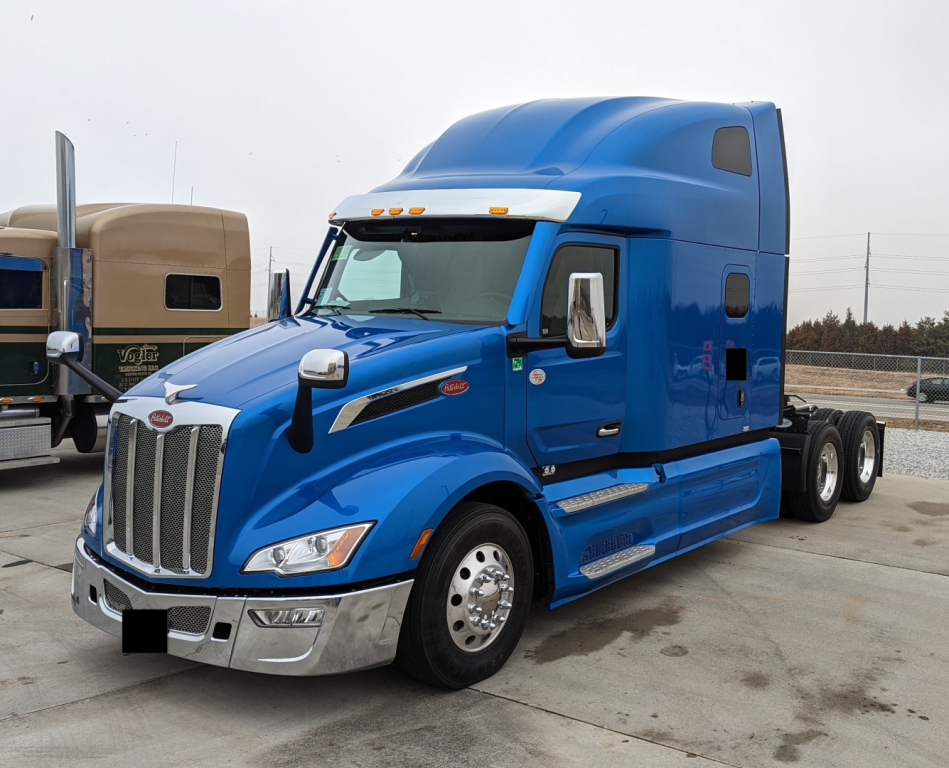
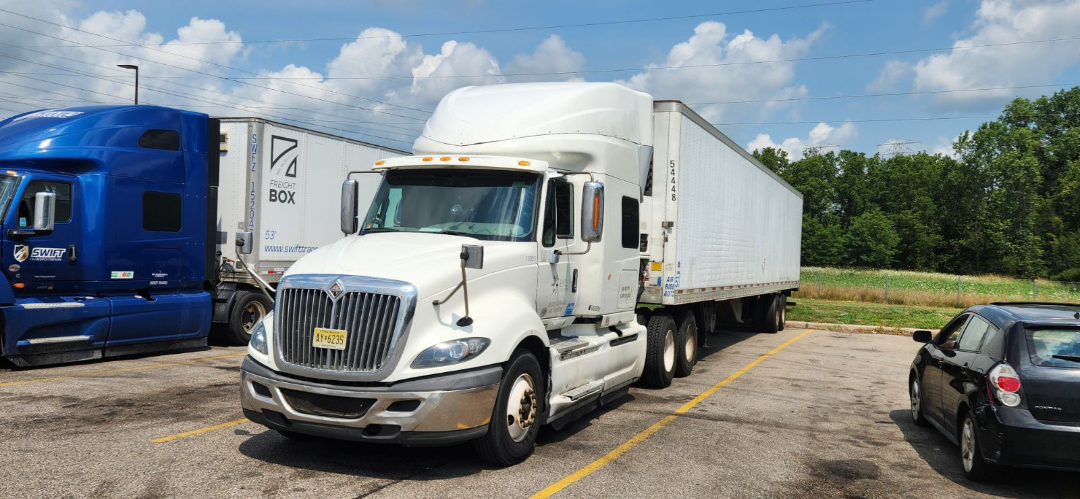
The core buying decision usually comes down to powertrain, axle spec, and intended lane. Common engines in this class include Cummins, Paccar, Detroit, Volvo, and International platforms, often paired with automated manual or traditional manual transmissions from Eaton or similar suppliers. Buyers should look closely at horsepower, torque, rear axle ratio, wheelbase, suspension type, and brake configuration because these directly affect gradeability, fuel economy, payload balance, and trailer compatibility. For highway tractors, typical specs include tandem drive axles, air ride suspension, sliding fifth wheels, engine brakes, ABS, and 22.5-inch rubber. Sleeper trucks may also carry 200 gallons or more of diesel capacity, which can make a difference on longer lanes with fewer fuel stops.
Regional operating conditions around eastern Pennsylvania also matter. Fairless Hills gives a truck access to dense freight corridors, ports, warehouses, intermodal traffic, and Northeast turnpike miles, so buyers should consider how the truck will perform in stop-and-go traffic, tight customer yards, bridge law constraints, and winter weather. Shorter wheelbases can help in urban and industrial areas, while a longer wheelbase and larger sleeper can be better for linehaul comfort and storage. Attention to emissions system condition, frame integrity, tire wear pattern, kingpin setting, and service history is especially important in used trucks, particularly for fleets trying to control downtime and owner-operators watching operating cost per mile.
Cab layout and driver environment should not be treated as secondary details. Visibility, dash ergonomics, bunk heater setup, seat condition, HVAC performance, and safety technology all affect productivity. Modern highway tractors may include adaptive cruise, collision mitigation, telematics, and automated transmissions tuned for fuel efficiency, while older trucks may appeal to buyers who want simpler electronics and lower acquisition cost. The right truck is the one whose axle ratings, sleeper size, drivetrain, and maintenance profile match the freight, the lane, and the cost structure of the operation.
Frequently Asked Questions about Commercial Trucks Near Fairless Hills, Pennsylvania
What is the difference between a day cab truck and a sleeper truck?
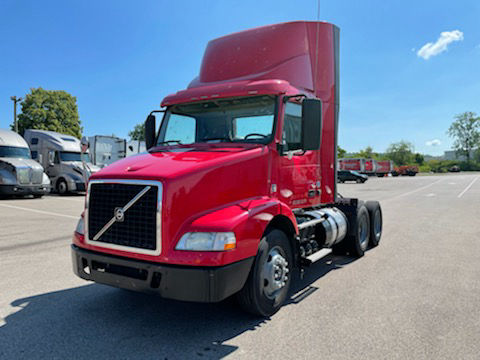
A day cab truck has no sleeping compartment and is generally used for local or regional work where the driver returns home daily. A sleeper truck includes a built-in sleeper compartment, often in mid-roof or high-roof form, and is better suited for long-haul freight, team driving, and runs that require overnight stays. The choice affects wheelbase, weight, fuel capacity, maneuverability, and driver comfort.
What truck specs matter most when comparing used highway tractors?
The most important specs are engine make and rating, transmission type, rear axle ratio, wheelbase, suspension, brake system, and axle configuration. Buyers should also confirm sleeper size, fuel tank capacity, tire size, fifth wheel type, and whether the truck has an engine brake. These details determine how the truck performs with a loaded trailer, how efficiently it cruises at highway speed, and how well it fits a specific freight lane or customer base.
Is an automated transmission a good choice in a used truck?
An automated transmission can be a strong choice for both fleets and owner-operators because it reduces driver fatigue, helps with consistency, and can improve fuel economy when properly spec'd. It is important to review clutch history, software calibration, and maintenance records, since shift quality and long-term reliability depend on proper service. Some buyers still prefer manual transmissions for driver preference or repair familiarity, but automated manuals are now common in the on-highway tractor market.
What should buyers inspect on a used truck in the Northeast?
In the Northeast, buyers should pay close attention to frame and cab corrosion, suspension wear, air system leaks, tire condition, brake life, and the overall health of the emissions system. Salt exposure and heavy traffic can accelerate wear on undercarriage components, steering parts, and wiring. A careful review of service records, ECM data, and any signs of idle-heavy operation can help identify a truck that is better positioned for dependable service.
How do wheelbase and axle ratio affect truck performance?
Wheelbase influences turning radius, ride quality, weight distribution, and how well the truck matches different trailer lengths and body styles. Axle ratio affects launch performance, grade pulling ability, and cruise RPM at highway speed. A shorter wheelbase and lower numerical ratio may suit local or regional work, while linehaul applications often benefit from a ratio that balances fuel economy with adequate pulling power for the loads being hauled.