
Expeditor/Hot Shot Trucks For Sale
Compare expeditor and hot shot trucks. See sleepers, gooseneck ratings, GCWR, axle ratios and trailer options for time-critical freight.
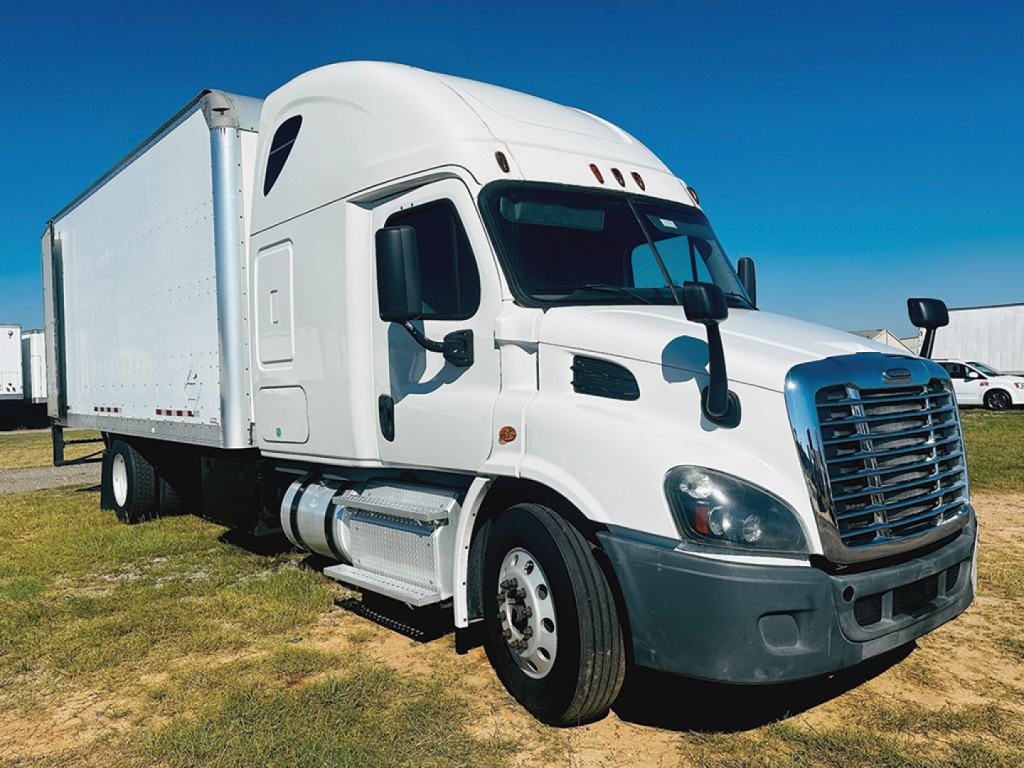
Selling a expeditor/hot shot truck? List your expeditor/hot shot truck for sale and reach thousands of commercial buyers.
Expeditor/Hot Shot Trucks
Expeditor trucks are usually 24 to 26 ft dry van or reefer bodies on a 25,999 to 33,000 lb GVWR chassis. A 102 in wide body with E-track, logistics posts, scuff liners and a 12 to 14 pallet floor plan is common. Liftgates in the 3,000 to 5,000 lb range with large platforms speed white-glove and residential deliveries. Many units carry 72 to 120 in sleepers from ARI, Bolt or OEM with bunks, galley, HVAC, shore power, inverters and diesel-fired bunk heaters for team service. Spec air ride suspension, air ride cab and seats for cargo protection and driver retention. Refrigerated boxes use Thermo King or Carrier units, so verify hours, service records and insulation integrity. Safety tech like collision mitigation, lane departure and LED lighting improves uptime and insurance acceptance.
Hot shot trucks typically start with a 3500 to 5500 chassis cab or dually pickup powered by a modern diesel such as 6.7 Power Stroke, Cummins or Duramax, paired to heavy-duty automatics like 10-speed Ford, Allison or Aisin. Match rear axle ratio to terrain and weight. Ratios around 3.31 to 3.73 favor fuel economy on lighter lanes, while 4.10 to 4.44 helps in hills and when pulling near GCWR. An integrated trailer brake controller, exhaust brake, extended range fuel tanks, and rear air-assist or helper springs are valuable. Gooseneck trailers run 30 to 40 ft with dual 10k to 12k axles, low-profile or deckover designs, dovetail and ramps, winch options and ample tie-downs. Electric-over-hydraulic disc brakes stop better than electric drum. Look for rub rail with stake pockets, torque tube stiffness, sealed wiring, LED lighting and a quality powder coat. Tires and spares matter. G or H rated ST tires with a smart rotation schedule keep you rolling.
Plan for the rules and the bills. Most interstate hot shot and expeditor operations require ELDs, IFTA if plated for qualifying weight, and a DOT medical card. California and some metro areas have engine year and emissions requirements, so pre-2010 units can be restricted. Fuel economy varies with duty cycle. Many expeditor straight trucks see 7 to 10 mpg. Hot shot rigs can range from high single digits to low teens depending on weight, speed and wind. Total cost of ownership hinges on preventive maintenance. Prioritize service documentation, injector and turbo history, DPF and SCR performance, brake and wheel-end condition, and for reefers the unit’s maintenance log. On box trucks, inspect floor rating, door tracks and roof seams. On goosenecks, check coupler wear, deck fasteners, spring hangers and brake performance. The right spec is the one that matches freight density, average load weight, lane topography and how often you need to sleep in the truck versus turn fast and go home.
Also known as: Expediter Truck, Hot Shot Truck
Frequently Asked Questions about Expeditor/Hot Shot Trucks
What is the difference between an expeditor truck and a hot shot setup?
An expeditor truck is usually a medium-duty straight truck with a 24 to 26 ft dry van or reefer body and often a large sleeper, built to haul dock-high palletized or temperature-controlled freight with liftgate capability. A hot shot setup pairs a dually truck with a 30 to 40 ft gooseneck flatbed to move open-deck partials, machinery and materials. Expeditor trucks excel at secure, dock-to-dock or white-glove freight. Hot shot rigs shine on flexible pickup sites and lighter, time-sensitive loads that do not need a box.
Do I need a CDL for hot shot or expediting?
You need a CDL if your combination GCWR exceeds 26,000 lb with a trailer rated over 10,000 lb, or if the power unit itself requires it due to GVWR. Many hot shot rigs and some expeditor trucks cross that threshold. If you operate commercially across state lines you will likely need a USDOT number, ELD compliance, proper medical certification and may need IFTA and IRP depending on weight and registration. Always check your ratings on the door tag and trailer VIN plate, not just your typical load weight.
Which axle ratio is best for hot shot hauling?
Choose the ratio based on average gross combination weight, terrain and cruise speed. Lower numeric ratios like 3.31 to 3.73 keep highway rpm down and can save fuel on lighter loads and flat routes. Higher numeric ratios like 4.10 to 4.44 provide better launch and gradeability when you run near GCWR or in mountains. Pair the ratio with the transmission’s top gear, tire size and your target cruise speed so the engine sits in its most efficient rpm band under load.
What sleeper size makes sense for expeditor work?
Teams and long-haul solo operators benefit from 96 to 120 in sleepers with double bunks, galley, large fridge, microwave, storage and an APU or shore power. Regional or short-haul expediters can manage with 72 to 84 in units. Focus on HVAC redundancy, insulation, power management, and serviceability. A diesel-fired bunk heater cuts idling and preserves the aftertreatment system by reducing low-load run time.
Should I choose air ride or spring for the truck and trailer?
Air ride improves cargo protection, ride quality and driver comfort, which is valuable for sensitive freight and long days. It can add cost and complexity but often pays back in fewer claims and better retention. Spring suspensions are simpler and rugged, common on hot shot trailers that run in rough sites. A good compromise is air ride on the power unit and quality slipper-spring or air on the trailer based on your freight sensitivity and lane conditions.