
Trucks For Sale Near Endicott, New York
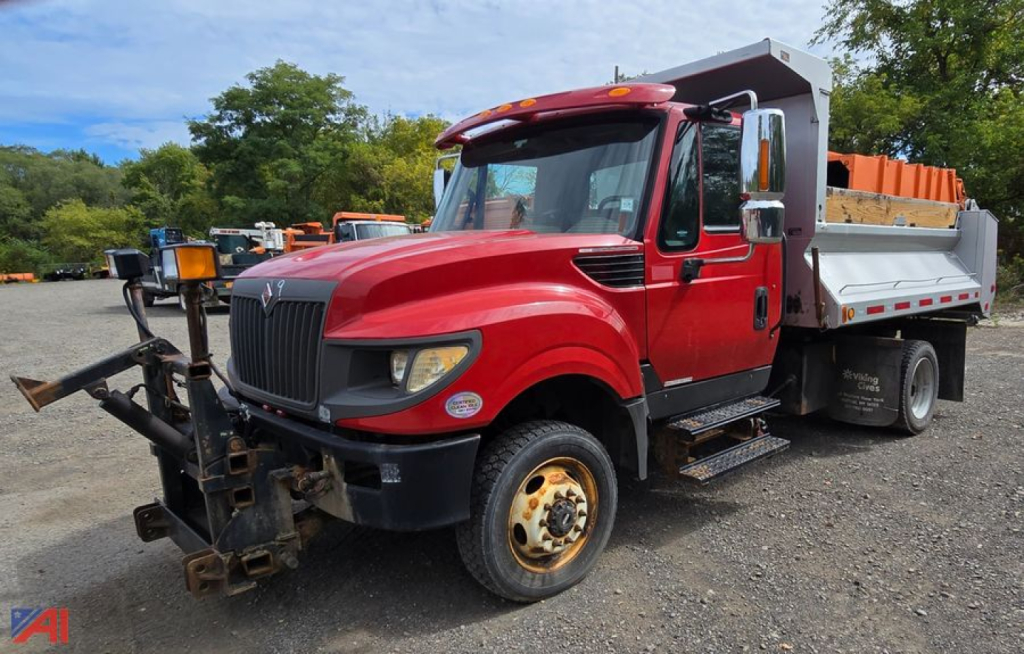
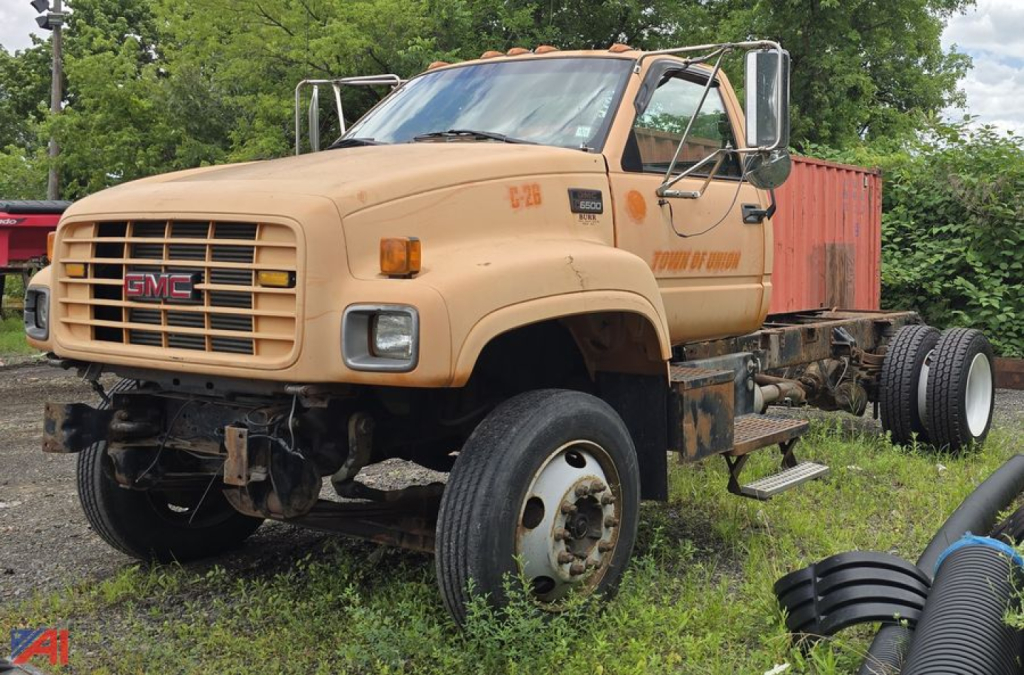
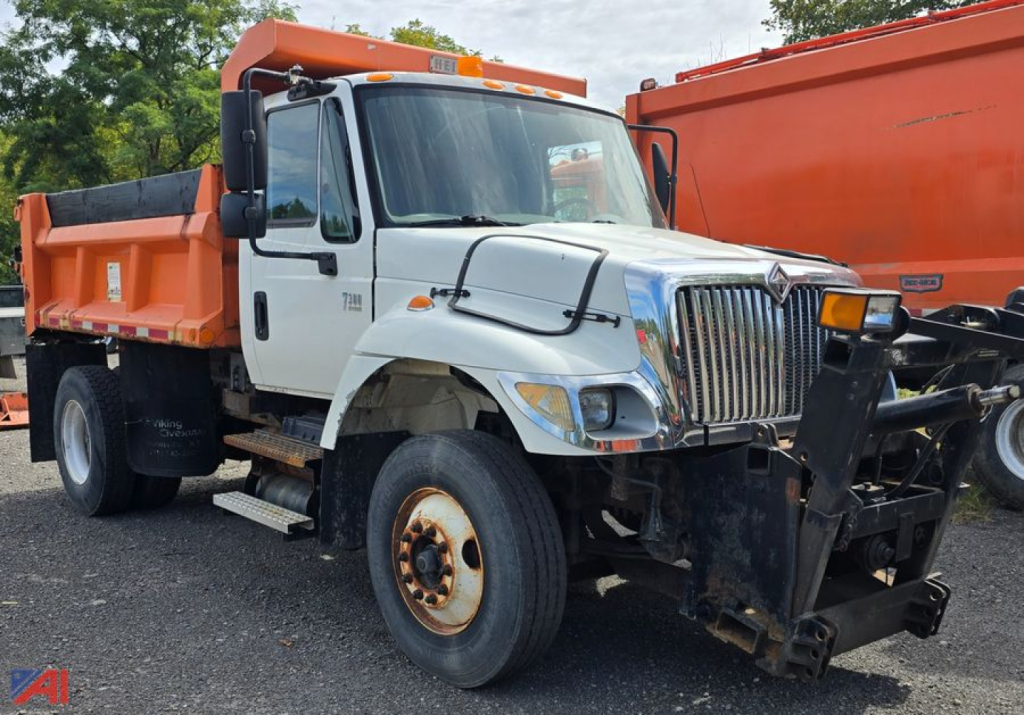
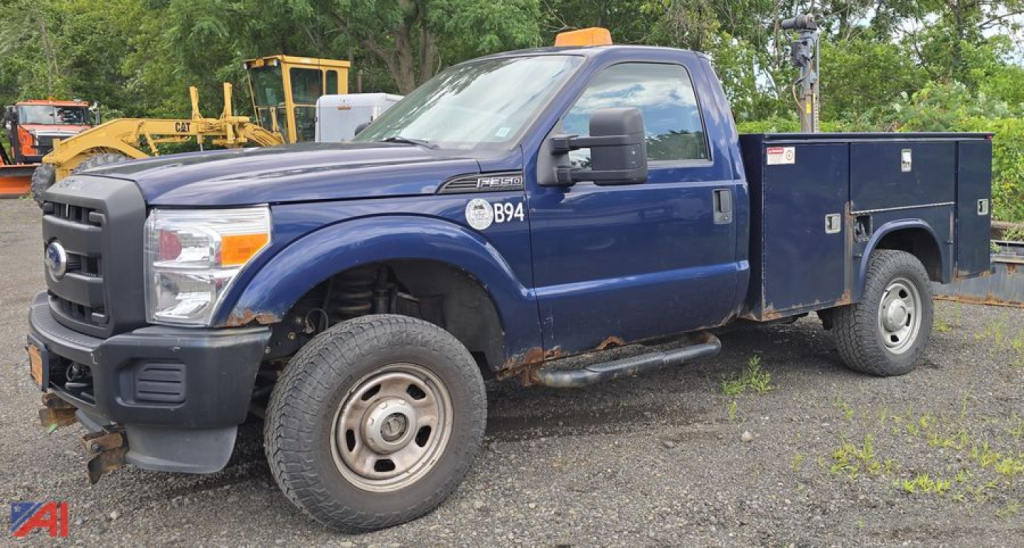
Have truck to sell? List it here to reach thousands of buyers.
Trucks Near Endicott, New York
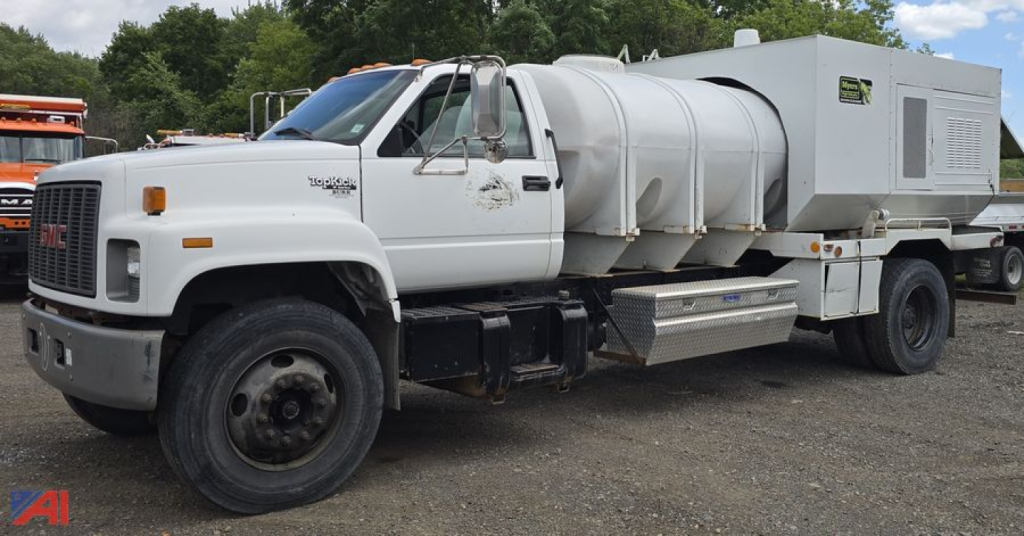
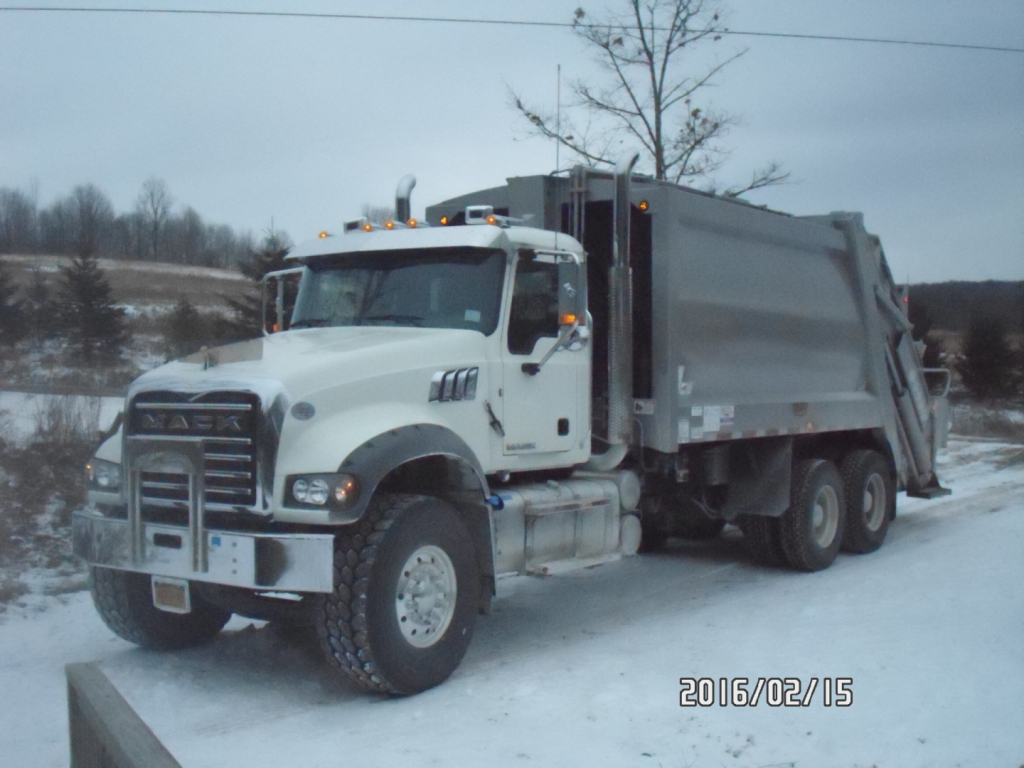
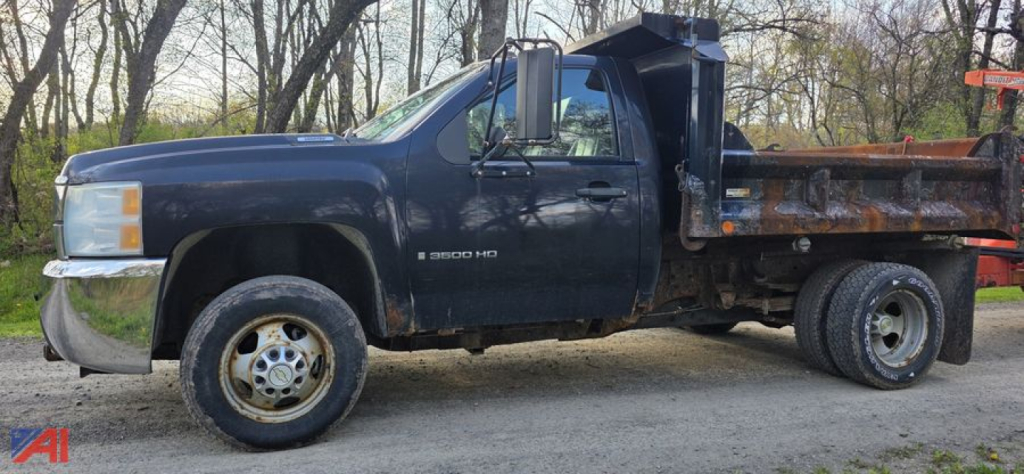
For vocational trucks, buyers should pay close attention to GVWR, axle ratings, wheelbase, PTO setup, hydraulic condition, and body manufacturer. A dump truck may be equipped with a mason body, landscape body, or municipal package with spreader controls and front plow hitching. Refuse trucks need careful review of packer operation, body capacity, hopper condition, and rear door sealing, along with frame integrity around the body mounts. If the truck is intended for municipal or snow work, inspect the front axle capacity, auxiliary lighting, underbody rust, and evidence of hard seasonal use. Transmission type also matters. Automatic transmissions are common in stop-and-go applications, while heavier vocational units may use automated manual or manual setups depending on age and fleet spec.
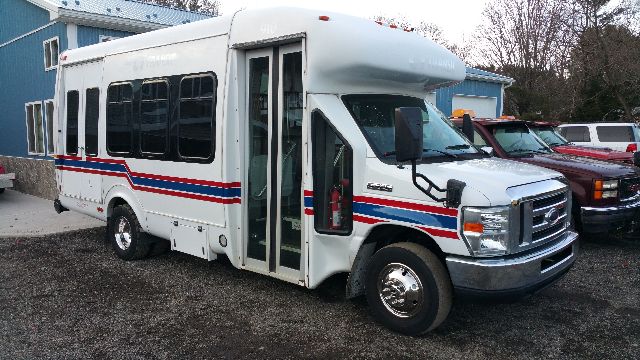
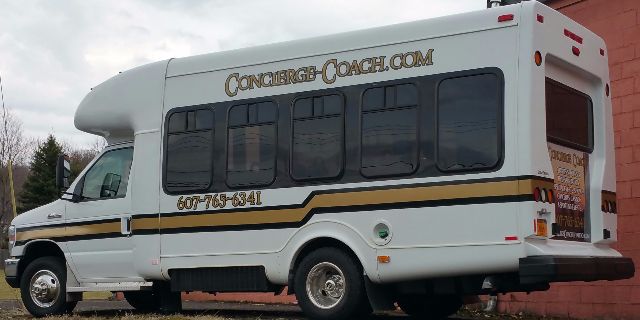
Passenger and shuttle trucks, including bus-based commercial units, are a different buying decision. Seating capacity, wheelchair accessibility, lift operation, HVAC performance, and door system reliability are often more important than raw horsepower. Buyers should also verify CDL thresholds, passenger endorsement requirements, and the actual seating layout after any modifications. On cutaway platforms such as Ford E-Series or similar chassis, maintenance history on brakes, tires, batteries, cooling system, and suspension components can tell you more than appearance alone. Electrical accessories, backup alarms, camera systems, and interior equipment should be checked because small electrical faults can turn into daily service interruptions.
Across the truck market, a smart comparison includes engine hours if available, idle time, rust around cab mounts and spring hangers, tire date codes, brake life, and any signs of frame repair or body fatigue. In a four-season market like the Southern Tier, buyers should expect to inspect for road salt exposure, wiring repairs, and hydraulic hose condition. Common makes in this segment include Ford, Chevrolet, GMC, International, Freightliner, Mack, Volvo, and Peterbilt, each with different parts networks, cab layouts, and powertrain options. The best truck is usually the one with a clear service record, the right body for the route or jobsite, and specifications that leave enough capacity for real-world use rather than just minimum compliance.
Frequently Asked Questions about Trucks Near Endicott, New York
What should I look for first when comparing used trucks for sale?
Start with the truck’s intended job, then confirm the core specifications match that use. GVWR, axle ratings, wheelbase, body type, engine power, and transmission should all fit the work cycle. After that, inspect maintenance records, frame condition, rust, hydraulic systems, PTO operation if equipped, brake and tire wear, and any signs of hard municipal or stop-and-go service. A truck with the right spec and documented upkeep is usually a better buy than one with a lower price but mismatched equipment.
Are vocational trucks in New York more likely to have rust or corrosion issues?
Yes. Trucks used in New York often see road salt, snow, and wet seasonal conditions, which can accelerate corrosion on frames, crossmembers, brake lines, wiring, dump bodies, and underbody components. Buyers should inspect cab corners, spring hangers, body mounts, floor structure, hydraulic lines, and electrical connectors. Surface rust is common, but scaling, perforation, and repairs around structural areas deserve closer review.
How do I choose between a light-duty truck and a heavy-duty vocational truck?
The choice depends on payload, duty cycle, body requirements, and licensing. Light-duty and medium-duty trucks can work well for landscaping, local delivery, small dump applications, or passenger transport, especially when lower acquisition and operating costs matter. Heavy-duty vocational trucks are better suited for repeated high-load work, municipal plowing, refuse collection, and severe-service construction applications where frame strength, axle capacity, and hydraulic capability are critical.
What matters most on a used dump or refuse truck?
On a used dump truck, focus on hoist performance, PTO engagement, floor and sidewall condition, tailgate function, frame integrity, and front axle capacity if the truck has plow equipment. On a refuse truck, inspect the packer body, hopper, tailgate seals, body corrosion, hydraulic leaks, and cycle function under load. In both cases, the truck’s body and hydraulic systems are just as important as the engine and transmission because repair costs can be significant.
Do bus and shuttle trucks require special compliance checks?
Yes. Passenger trucks and buses should be reviewed for seating count, wheelchair lift operation, emergency exits, door function, HVAC, and any local or federal passenger transport requirements. Buyers should also confirm whether the configuration triggers CDL or passenger endorsement rules. On older shuttle units, electrical accessories, lift mechanisms, and interior systems often need as much attention as the chassis itself because downtime is frequently caused by support equipment rather than the engine.