
Emergency Trucks For Sale
Browse emergency trucks for sale, including fire apparatus and specialty response units, with key specs on pump capacity, GVWR, storage, and chassis.
Learn more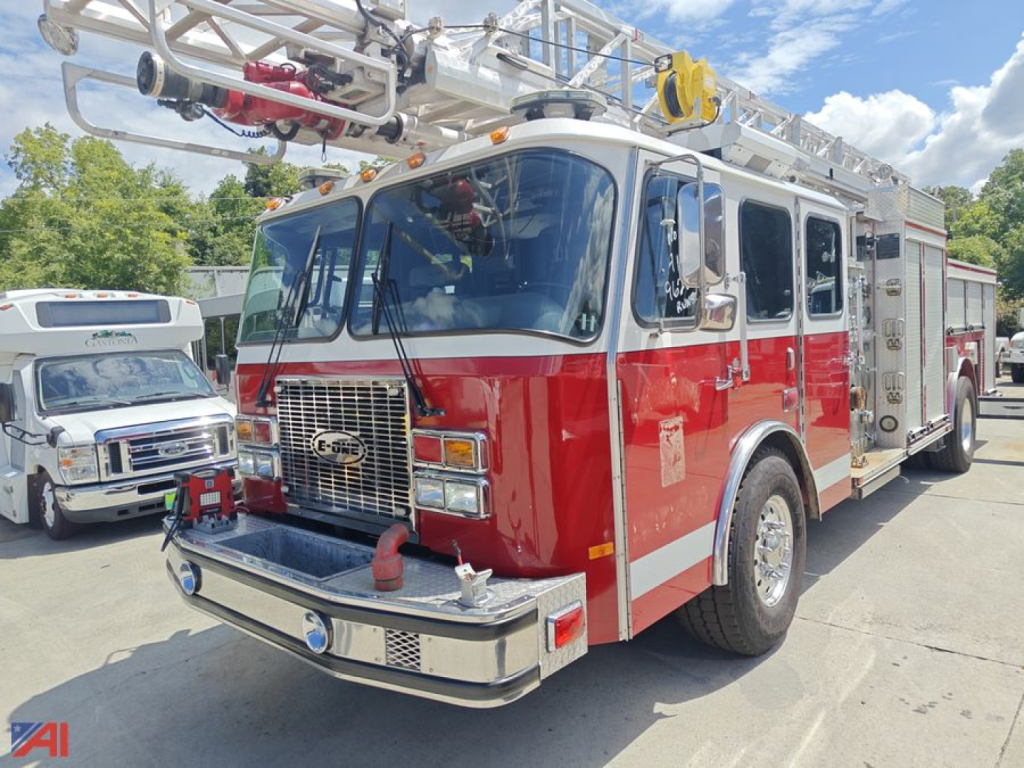
Have emergency truck to sell? List it here to reach thousands of buyers.
About Emergency Trucks
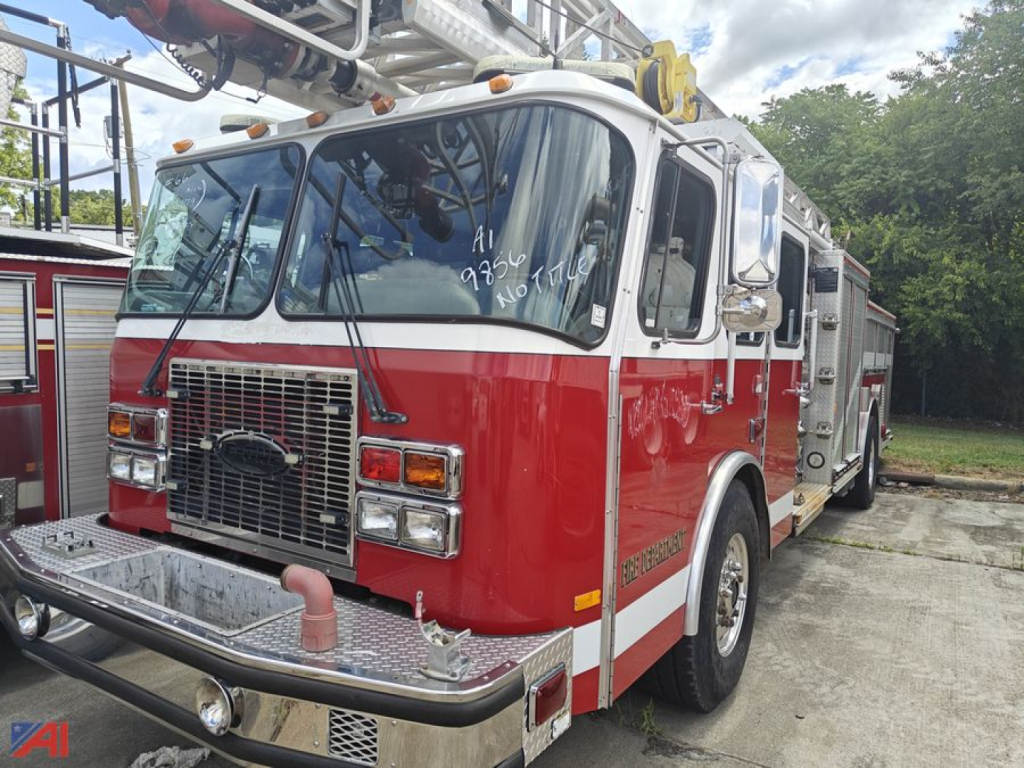
For fire apparatus, pump capacity, tank size, hose bed layout, and compartment design matter more than cosmetic condition. A pumper may be built around pump ratings such as 1,000 to 2,000 GPM, paired with water tanks commonly ranging from around 500 to 1,000 gallons or more depending on application. Rescue and service bodies may prioritize compartment volume, generator output, scene lighting, ladder storage, and tool mounting instead of water and pump specs. Chassis details are just as important, including axle ratings, turning radius, brake type, transmission, and engine supportability. Older emergency trucks often remain useful, but buyers need to confirm parts availability for both the chassis and the apparatus components.
Inspection should focus on the systems that are expensive or difficult to put back into service. On fire trucks, that includes the pump, plumbing, valves, foam systems if equipped, gauges, PTO operation, electrical distribution, warning lights, sirens, and corrosion in the body or subframe. Tank condition, compartment floors, roll-up doors, and evidence of leaks or freeze damage deserve close attention. If the truck will stay in emergency service, check current compliance requirements, seating configuration, seat belt provisions, and any department or state standards that apply. If it will be repurposed for water hauling, farm use, industrial fire brigade duty, parade service, or training, the buyer may have more flexibility but still needs a sound mechanical and hydraulic baseline.
Emergency trucks are often bought on durability and function rather than mileage alone. Many have low road miles but high idle time, heavy accessory loads, and years of stop-and-go service. A strong candidate in this category usually has documented pump testing, service records, clear hours data, and a layout that matches the intended use without major rework. Buyers comparing multiple emergency trucks should balance apparatus capability, chassis support, refurbishment cost, and local registration or decommissioning requirements before making a final decision.
Frequently Asked Questions
What should I check first when buying a used emergency truck?
Start with the truck's intended role and verify that the apparatus was built for that job. After that, focus on service records, engine hours, idle hours, pump test documentation if it is a fire unit, and the condition of major systems like the pump, PTO, plumbing, electrical system, warning equipment, and body structure. A used emergency truck can look solid cosmetically while still needing expensive work in the pump house, tank, wiring, or corrosion-prone mounting areas.
Is mileage less important on an emergency truck than on a standard commercial truck?
Yes, mileage is only part of the picture. Emergency trucks often accumulate relatively low road miles but significant engine hours from idling on scene, powering accessories, and operating pumps, generators, and lighting systems. Buyers should compare odometer readings with engine hours, maintenance intervals, and wear on driveline, cab, and apparatus systems to get a more accurate view of total use.
What is the difference between a pumper and a rescue truck?
A pumper is primarily designed to move water and supply fire attack operations, so the key components are the fire pump, water tank, hose storage, and related plumbing. A rescue truck is usually configured around compartment storage, tools, scene support equipment, stabilization gear, medical equipment, or technical rescue capability. Some units combine functions, but the body layout and onboard systems usually make the primary mission clear.
Can an older emergency truck still be a good buy?
It can be, especially for secondary duty, rural departments, industrial sites, training use, or non-emergency repurposing. The key is parts support, mechanical condition, and whether the apparatus systems still operate correctly. An older truck with documented maintenance, recent pump testing, sound wiring, and limited corrosion can offer useful service, while a neglected unit can become costly very quickly.
Do I need to consider decommissioning or registration issues with emergency trucks?
Yes. Emergency trucks may need warning lights, sirens, markings, radios, or agency-specific equipment removed before private or non-emergency use. Registration, title status, axle weights, and licensing requirements also vary by state and by how the truck will be used. Buyers should confirm local rules early, especially if the unit is being converted to a support truck, water truck, or specialty commercial vehicle.