
Commercial Trucks For Sale Near Ellensburg, Washington

Have commercial truck to sell? List it here to reach thousands of buyers.
Commercial Trucks Near Ellensburg, Washington
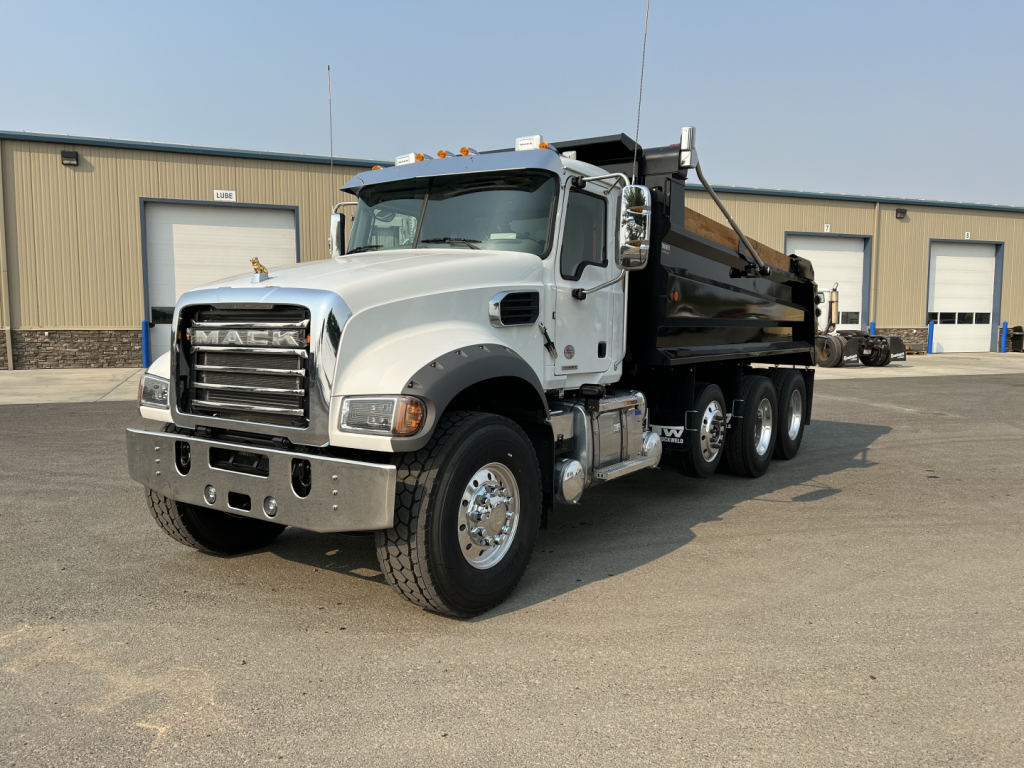
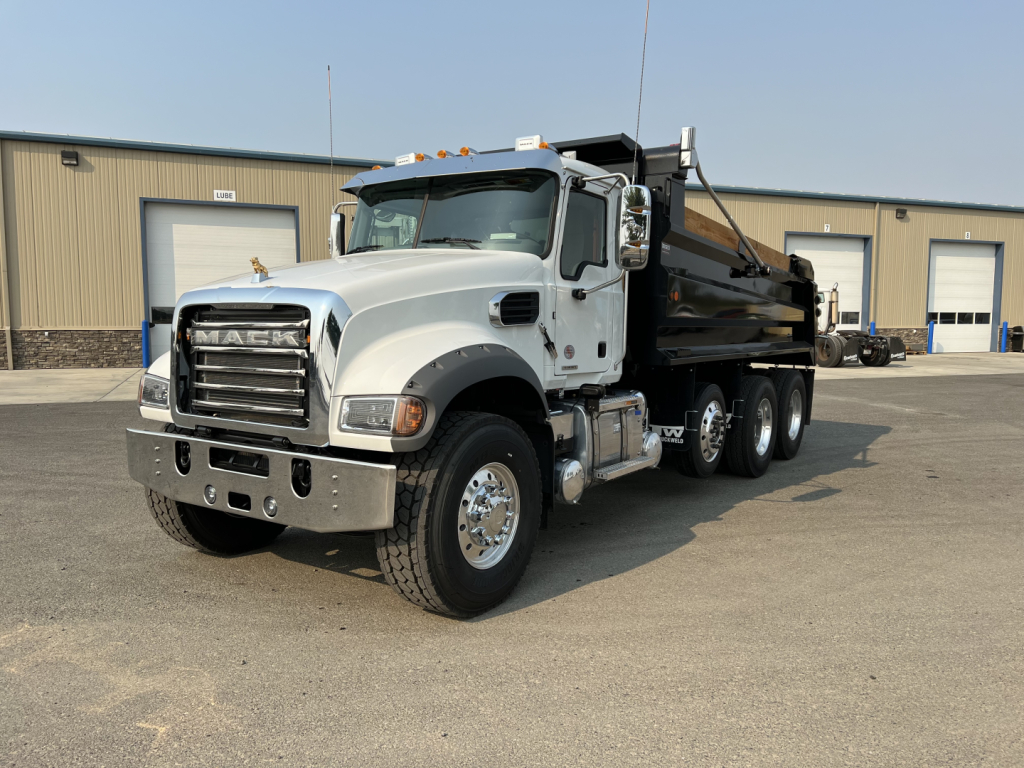
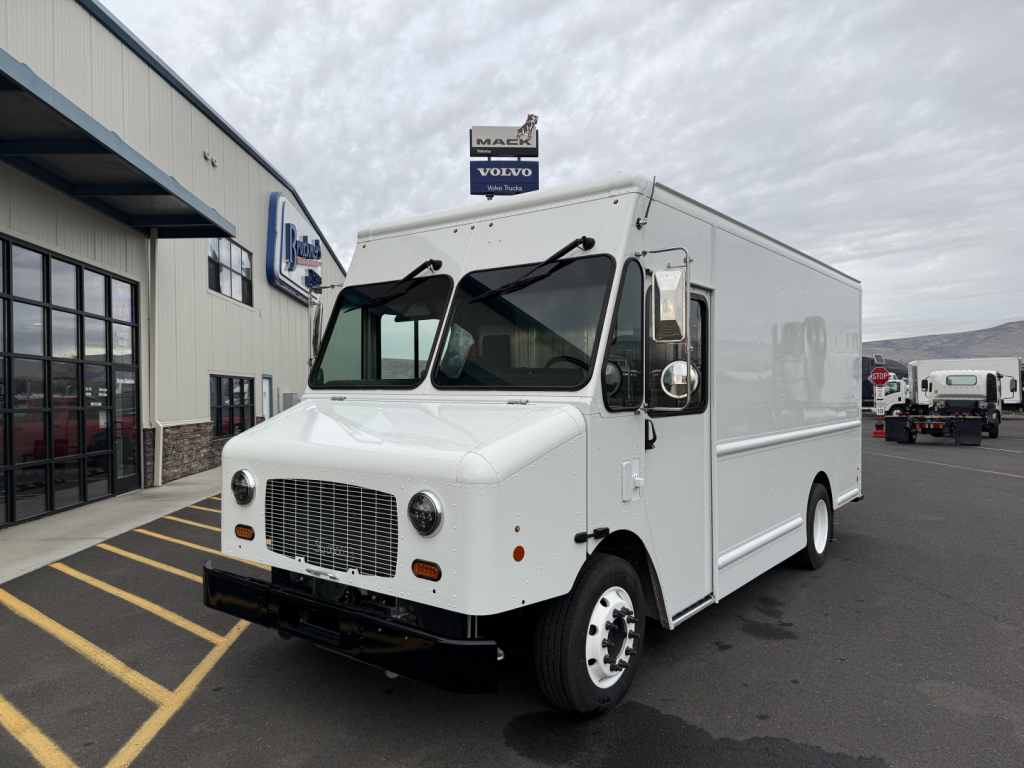
For medium-duty trucks such as dry vans and other delivery trucks, buyers usually focus on CDL threshold, body length, liftgate capacity, and urban maneuverability. A non-CDL box truck near 26,000 pounds GVWR can make sense for route delivery, furniture, appliance, beverage, and palletized freight, especially when paired with an automatic transmission and a 26-foot van body. On heavier vocational trucks like dumps, axle ratings, body construction, hoist spec, suspension, and PTO setup carry more weight than cosmetic features. Hardox or similar high-strength steel bodies, high-lift tailgates, tarp systems, and pintle hitch setups are common on trucks expected to handle rock, demolition, asphalt, or mixed construction duty.
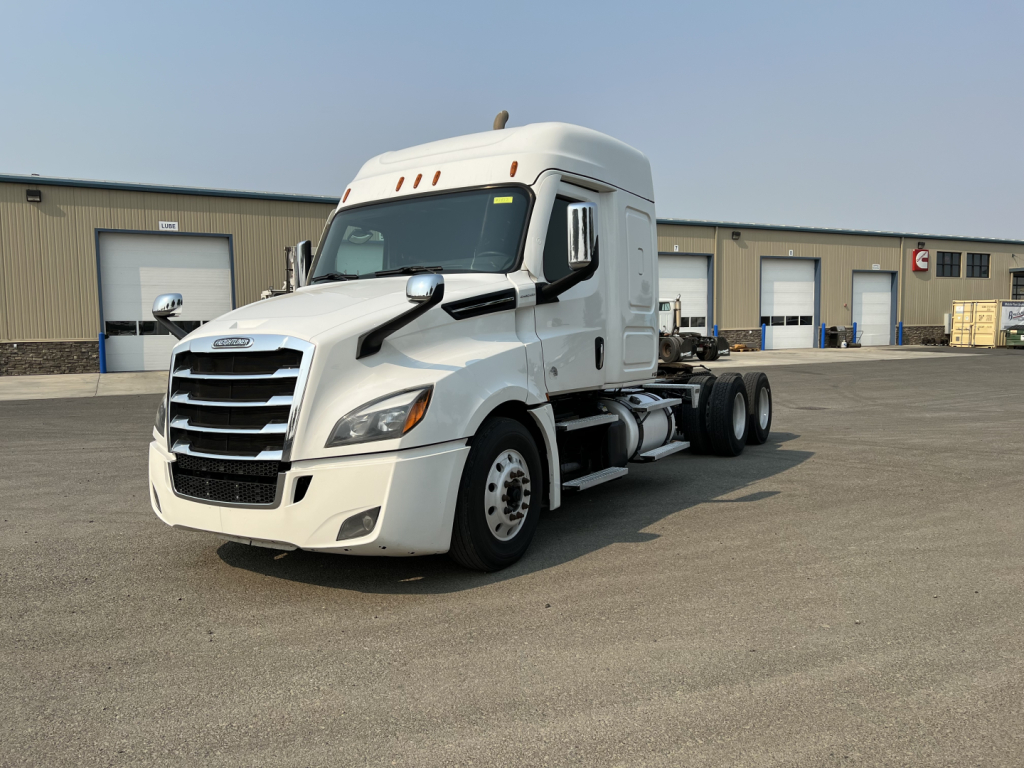
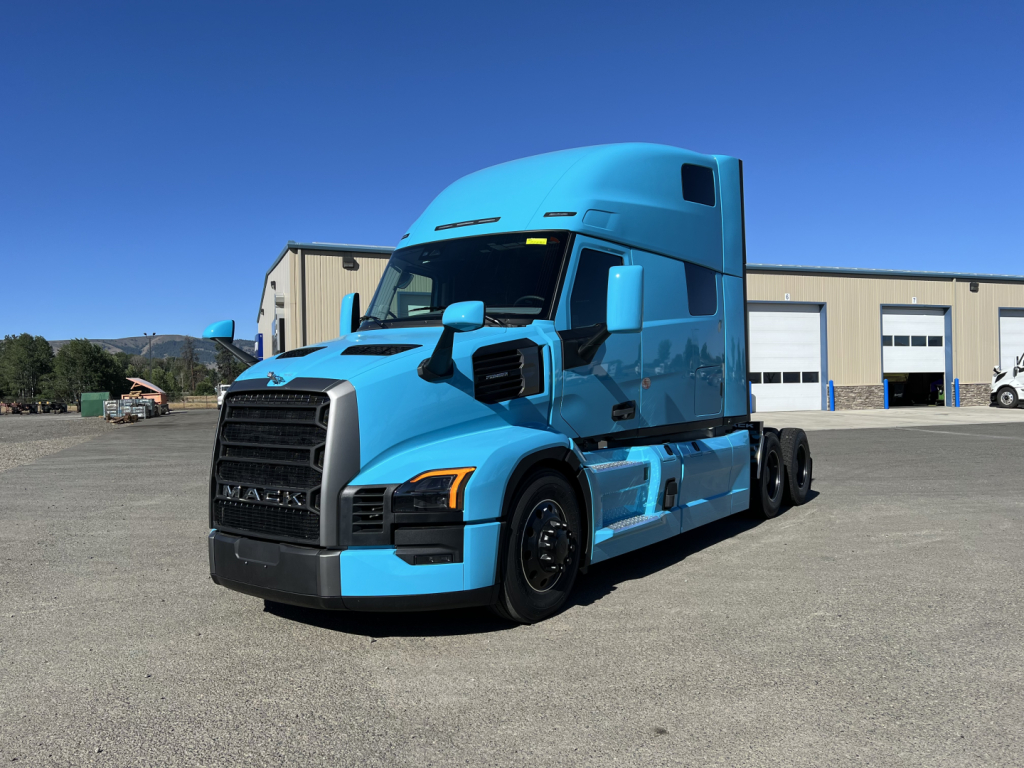
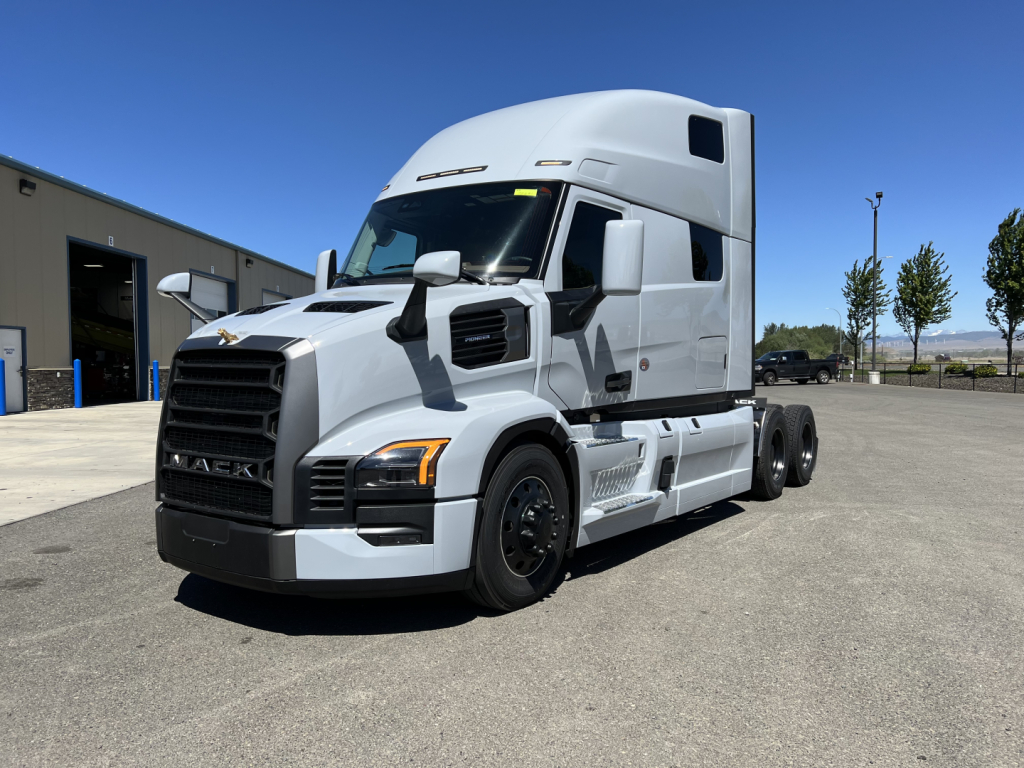
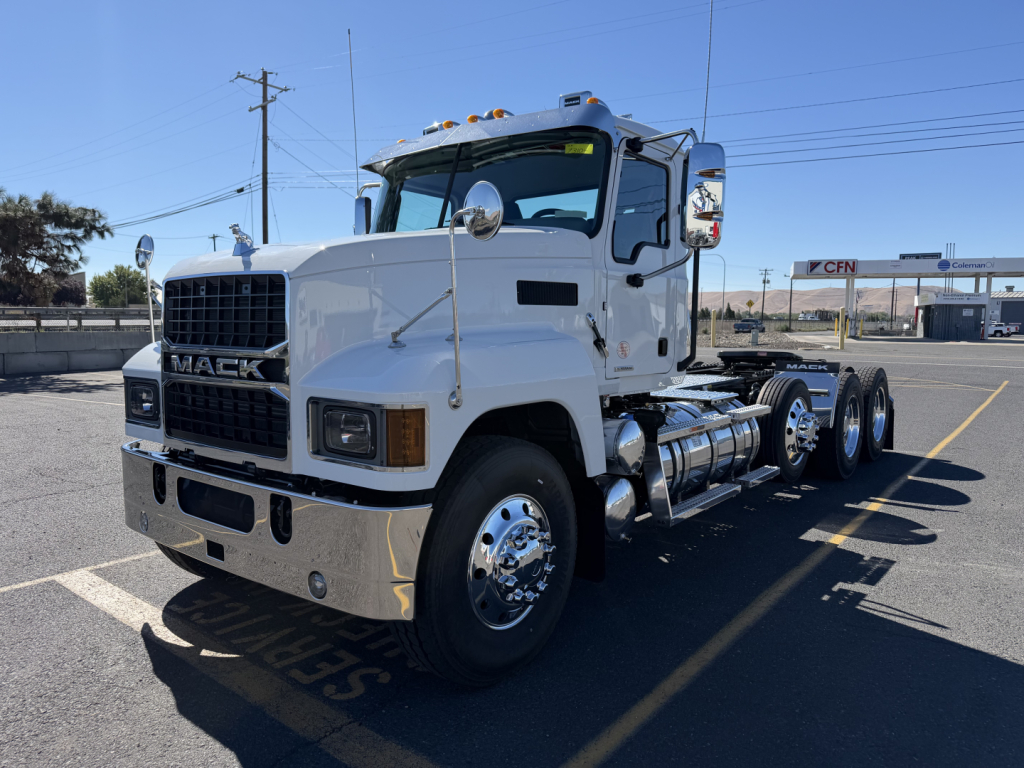
For highway tractors, the main split is usually between day cab and sleeper configurations. A conventional day cab is often the right fit for local haul, transfer, agricultural support, and dedicated regional lanes where cab length and lower curb weight help. Sleeper tractors are better suited to longer runs and drivers who need onboard living space, larger fuel capacity, and a spec built around sustained highway efficiency. On these trucks, buyers should pay close attention to horsepower, torque curve, automated manual versus full automatic transmission, rear axle ratio, and suspension design. A lower numerical rear ratio can favor fuel economy on open interstate work, while a deeper ratio may better support heavier starts, mountain grades, or vocational crossover use.
Across the truck market, a strong spec is one that matches the work without overbuilding or underbuilding. Look at front and rear axle ratings, single versus tandem axle layout, brake type, wheelbase, and any body or trailer interface requirements before comparing price alone. In a market like Ellensburg, trucks often need to be versatile enough for interstate speed, mountain passes, and rougher yard or site access, so durability and serviceability matter as much as engine output. Buyers comparing trucks for sale in Washington should also consider emissions system history, maintenance access, payload tradeoffs, and how easily a truck can be reassigned to a different route or duty cycle later.
Frequently Asked Questions about Commercial Trucks Near Ellensburg, Washington
What types of trucks are typically included in a trucks for sale category?
A trucks for sale category usually includes several commercial classes and body styles rather than one single configuration. Common examples are box trucks, dump trucks, conventional day cabs, and sleeper tractors. Each serves a different purpose, from local delivery and pallet freight to construction hauling and long-distance over-the-road work. The fastest way to narrow the field is to match the truck type to the job, then compare axle ratings, wheelbase, powertrain, and any body-specific equipment.
How do I choose between a day cab and a sleeper truck?
The choice comes down to route length, driver requirements, and payload priorities. Day cabs are generally better for local and regional operations where the truck returns to base daily, and they often offer lower weight and tighter overall dimensions. Sleeper trucks are built for runs that require overnight stays, more driver storage, and better long-haul comfort. Buyers should also compare fuel capacity, wheelbase, and rear axle ratio because those specs affect turning radius, bridge law flexibility, and highway efficiency.
What should I look for when buying a dump truck?
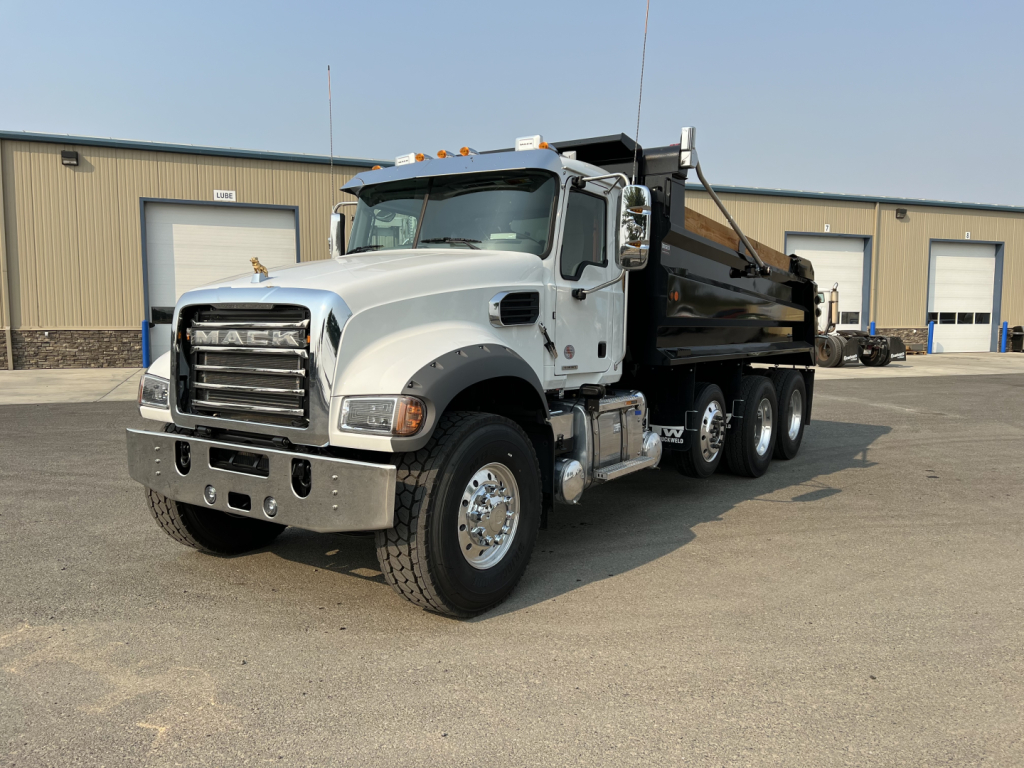
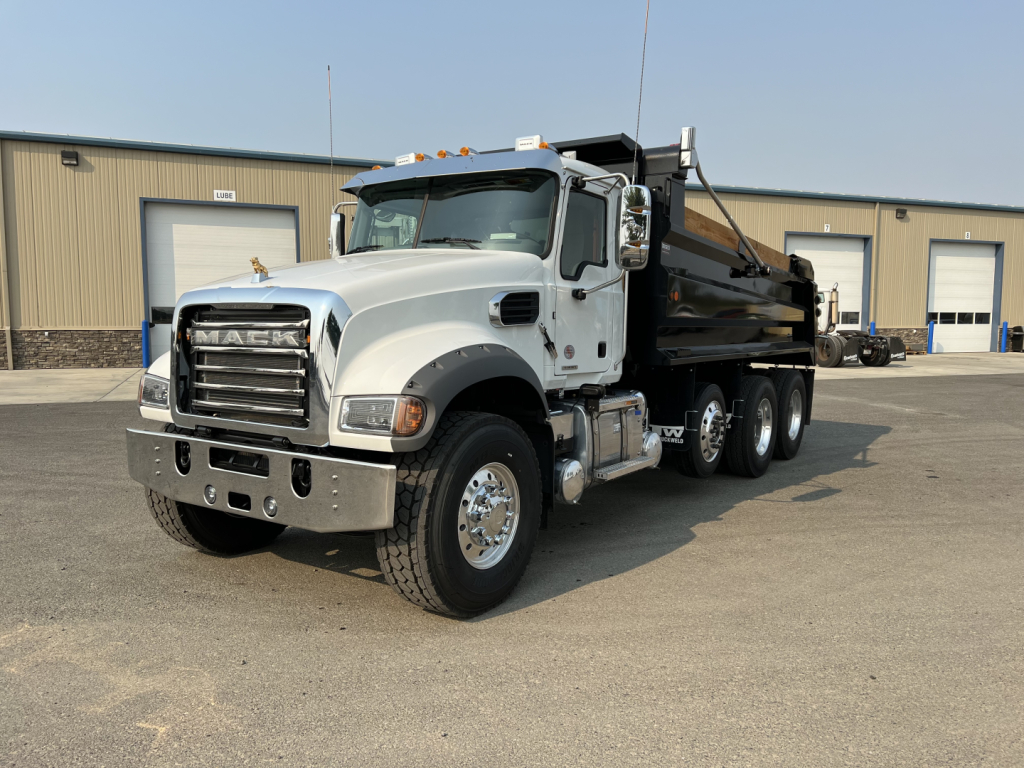
Start with the body and chassis ratings before looking at appearance or brand preference. A dump truck should be matched to the material being hauled, so body length, side height, steel type, hoist capacity, suspension, and axle configuration are key. For rock, demolition, or aggregate work, heavy-duty body material and strong rear suspension are especially important. Buyers should also verify PTO operation, tailgate style, tarp system, hitch equipment if trailer towing is needed, and the legal payload the truck can carry in the states where it will operate.
Is a 26,000-pound GVWR box truck a good choice for delivery work?
For many delivery operations, a truck at or near 26,000 pounds GVWR is a practical choice because it can offer strong payload and body capacity while staying below the CDL threshold when properly spec'd. That makes it attractive for fleets managing driver availability and route flexibility. Buyers should still confirm actual door-sticker GVWR, body weight, liftgate weight, and cargo profile, because those factors directly affect usable payload. Wheelbase, turning radius, and door and liftgate configuration also matter if the truck will spend most of its time in tighter urban stops.
Which truck specs matter most for Washington and mountain driving?
For Washington routes that include grades, weather changes, and mixed highway conditions, powertrain matching is critical. Horsepower matters, but rear axle ratio, transmission gearing, and engine torque output often have a bigger effect on gradeability and startability under load. Buyers should also look closely at suspension type, brake setup, traction aids, and axle ratings, especially if the truck will move between paved roads and jobsites. A truck that is efficient on flat interstate miles may need a different ratio or suspension spec to perform well over mountain passes and in vocational service.