
Commercial Trucks For Sale Near Elkton, Maryland
Have commercial truck to sell? List it here to reach thousands of buyers.
Commercial Trucks Near Elkton, Maryland
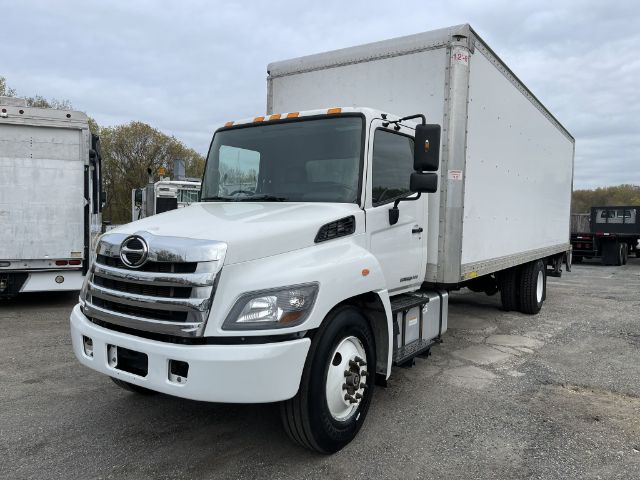
For medium-duty trucks, buyers often focus on diesel power, automatic transmissions, hydraulic brake versus air brake spec, and whether the truck stays under the 26,000-pound GVWR threshold. Under-CDL trucks are especially popular for box truck and straight truck applications because they widen the driver pool and simplify routing for local operations. A truck like a Class 6 box truck may be equipped with a 24-foot or 26-foot van body, roll-up rear door, liftgate, spring suspension, and 22.5-inch rubber, which makes it a practical choice for freight, furniture, appliance, and route delivery work. If uptime is critical, pay close attention to engine family, transmission make, service history, and any included warranty coverage on major components.
Heavy-duty truck buyers typically look harder at drivetrain specs such as horsepower, torque, rear axle ratio, suspension type, and tandem versus single axle layout. For tractor applications, day cab and sleeper selection should match lane length, while vocational buyers need to confirm PTO provisions, frame strength, front axle capacity, and compatibility with dump, vacuum, hooklift, mixer, or service body installations. Cab condition, corrosion exposure, brake type, tire size, and emissions system history are all important on used trucks, especially in regional markets where stop-and-go service or winter road treatment can accelerate wear. Maryland buyers should also consider bridge formulas, registration class, and route density when choosing between maneuverability and payload.
A strong truck listing should give enough detail to judge fitness for the work before you ever inspect it in person. Look for wheelbase, axle ratings, engine model, fuel capacity, transmission type, suspension, brake system, body dimensions, liftgate rating, and tire spec. Those details tell you far more than a generic description. The right truck is the one that fits your freight, driver requirements, service area, and maintenance plan without forcing compromises on payload, access, or compliance.
Frequently Asked Questions about Commercial Trucks Near Elkton, Maryland
What should I look for first when buying a used truck?
Start with the truck’s intended application, GVWR, and configuration. Those three factors determine licensing needs, payload potential, body options, and operating cost. After that, review engine and transmission specs, axle ratings, wheelbase, brake type, suspension, and maintenance history. On a used truck, these details are more important than cosmetic appearance because they determine how well the unit will perform in your operation.
What is the advantage of an under-CDL truck?
An under-CDL truck is typically rated below 26,001 pounds GVWR, which allows many operators to run it without requiring a CDL, depending on the application and local rules. That can make hiring easier and reduce training bottlenecks for route delivery, moving, and local service work. Buyers still need to verify brake type, cargo weight, and any special endorsements or state requirements, but the under-CDL segment remains one of the most practical choices for businesses that need commercial capability without stepping into heavier licensing obligations.
How do I choose between a medium-duty truck and a heavy-duty truck?
The decision comes down to payload, duty cycle, body type, and how many miles the truck will run under load. Medium-duty trucks are often the better fit for local delivery, box truck work, landscaping, towing, and municipal tasks where maneuverability and lower acquisition cost matter. Heavy-duty trucks are better suited for higher gross weights, harsher vocational use, and linehaul or regional tractor service where frame strength, tandem axles, larger drivetrains, and higher torque are required.
Why does wheelbase matter on a truck listing?
Wheelbase directly affects body fitment, turning radius, bridge compliance, ride quality, and weight distribution. A short wheelbase can improve maneuverability in tight urban or jobsite conditions, while a longer wheelbase may be necessary for larger bodies, better load placement, or smoother highway manners. Buyers comparing cab and chassis trucks should always confirm wheelbase against the body or equipment they plan to install.
Are automatic transmissions common in commercial trucks?
Yes. Automatic and automated transmissions are common across many truck classes, especially in medium-duty delivery and vocational applications. They reduce driver fatigue, simplify training, and can improve consistency in stop-and-go service. Buyers should still confirm the exact transmission model, PTO compatibility if needed, and service records, because transmission choice affects both maintenance cost and jobsite performance.