
Trucks For Sale Near Effingham, Illinois
Have truck to sell? List it here to reach thousands of buyers.
Trucks Near Effingham, Illinois
A buyer comparing trucks should pay close attention to the relationship between wheelbase, axle ratings, and intended trailer or body. A highway tractor with a 12,000 lb front axle and 40,000 lb rears is a typical starting point for general freight, while heavier vocational use may call for higher front axle capacity, double frame rails, locking differentials, or lift axles. Sleeper tractors often show up with 60-inch to 80-inch sleepers, dual fuel tanks, sliding fifth wheels, engine brakes, and air ride suspensions. Day cabs are usually favored for regional haul, port work, and short-turn freight where lower weight and tighter maneuverability are more important than bunk space.
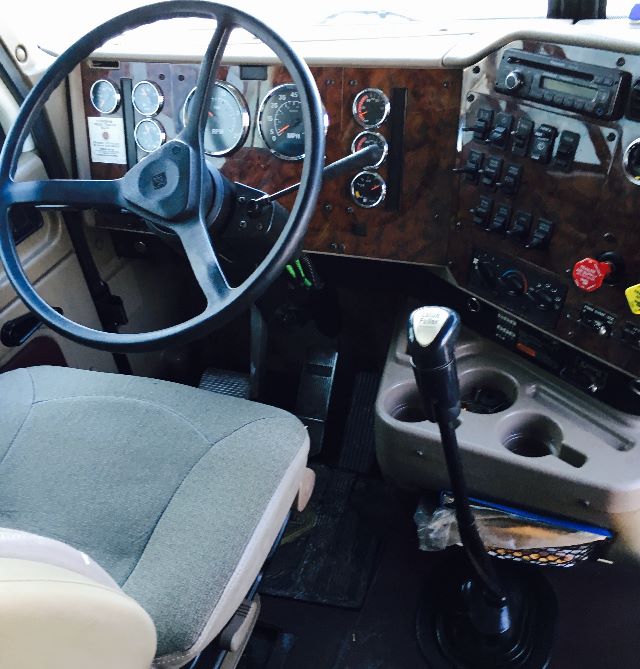
In southern Illinois, many used truck shoppers also weigh emissions era against operating cost. Pre-emissions and early emissions trucks remain attractive to some buyers because of simpler systems and easier in-house service, while newer trucks can offer better fuel economy, improved aerodynamics, and updated driver comfort features. It is worth reviewing engine hours, maintenance records, brake and tire condition, suspension wear, and signs of frame or fifth wheel damage. On sleeper units, check APU status, HVAC performance, bunk condition, and electrical accessories. On any tractor, verify transmission model, rear ratio, tire size, and whether the truck is set up for van, flatbed, tanker, or bulk work.
A strong truck listing should give enough detail to judge fit without guessing. Look for axle configuration, sleeper style, engine make and horsepower, transmission type, suspension, fuel capacity, and title status. Details like a sliding fifth wheel, heated mirrors, dump valve, roof fairing, wheel type, and current inspection history can tell you a lot about how the truck was spec'd and how it was likely used. The best choice is rarely just the newest or lowest-priced truck. It is the one whose drivetrain, cab layout, and maintenance profile match the lanes, weight, and downtime tolerance of your operation.
Frequently Asked Questions about Trucks Near Effingham, Illinois
What should I look for first when buying a used truck?
Start with the job the truck needs to do. Trailer type, average gross weight, route length, and terrain should drive the decision on day cab versus sleeper, axle configuration, horsepower, transmission, and rear axle ratio. After that, review service records, engine and transmission model, emissions system history, brake and tire condition, suspension wear, frame condition, and signs of prior structural repair. A truck that is correctly spec'd for the work usually performs better and costs less to run than a bargain unit with the wrong drivetrain.
What is the difference between a day cab and a sleeper truck?
A day cab has no bunk and is generally used for local and regional hauling where the driver returns home daily. A sleeper truck includes a bunk compartment and is built for longer runs, with more storage, larger fuel capacity, and better driver accommodation. Sleepers usually weigh more and cost more, but they are the standard choice for over-the-road freight. The right option depends on length of haul, driver schedule, and payload sensitivity.
Is a pre-emissions truck better than a newer emissions-equipped truck?
Neither is automatically better. Pre-emissions trucks are often valued for mechanical simplicity and lower diagnostic complexity, which can appeal to owner-operators and smaller fleets doing their own maintenance. Newer emissions-equipped trucks can deliver better fuel economy, quieter operation, improved safety systems, and more modern cab features. The better choice depends on maintenance support, compliance needs, budget, and how much downtime risk your operation can tolerate.
Which truck specs matter most for highway freight?
For highway freight, focus on engine horsepower and torque, transmission type, rear axle ratio, wheelbase, fuel capacity, sleeper size, and suspension. A 6x4 tandem axle tractor with air ride suspension, an engine brake, and a highway-friendly rear ratio is common for dry van and reefer work. Sliding fifth wheels, aerodynamic fairings, and proper fuel tank capacity also matter because they affect trailer compatibility, fuel range, and operating efficiency.
Why does wheelbase matter on a truck tractor?
Wheelbase affects ride quality, maneuverability, bridge law flexibility, and how the truck handles with different trailer lengths and kingpin settings. A longer wheelbase can improve ride and allow larger fuel tanks or sleepers, but it may limit turning radius and loading dock access. A shorter wheelbase is often preferred for city work, regional routes, and applications that require tight maneuvering. The correct wheelbase should match both the trailer setup and the roads the truck will run.