
Commercial Trucks For Sale Near East Aurora, New York

Have commercial truck to sell? List it here to reach thousands of buyers.
Commercial Trucks Near East Aurora, New York
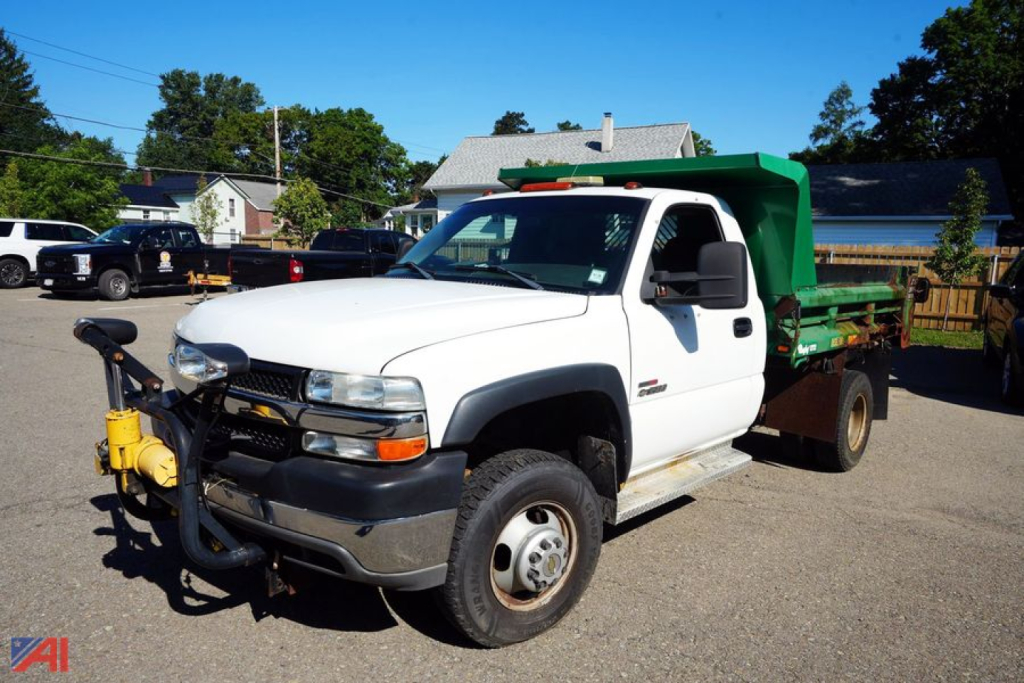
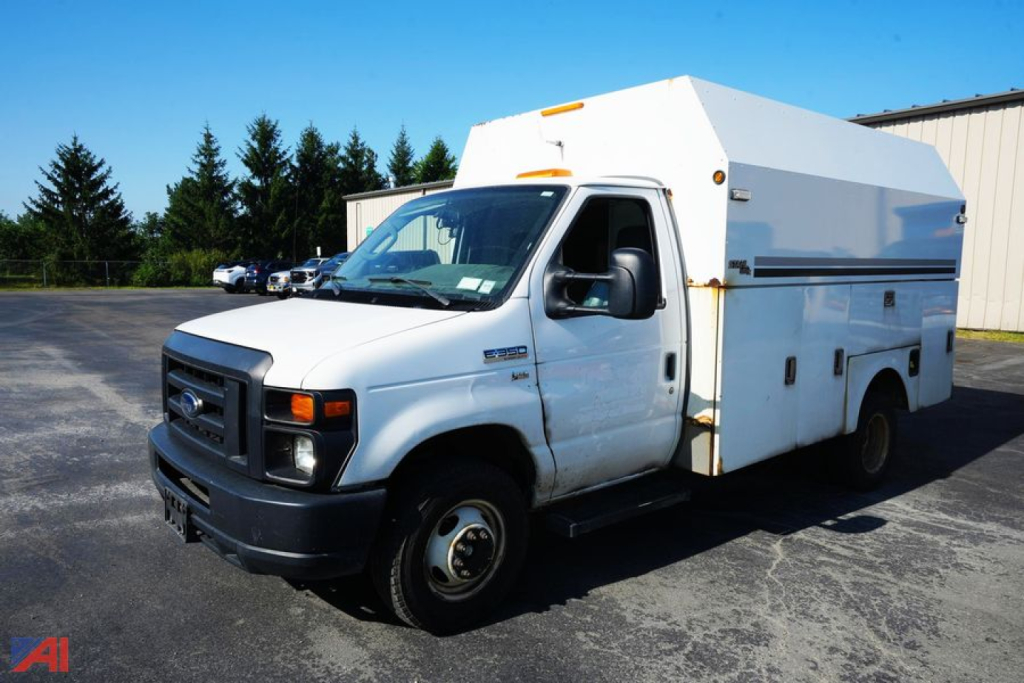
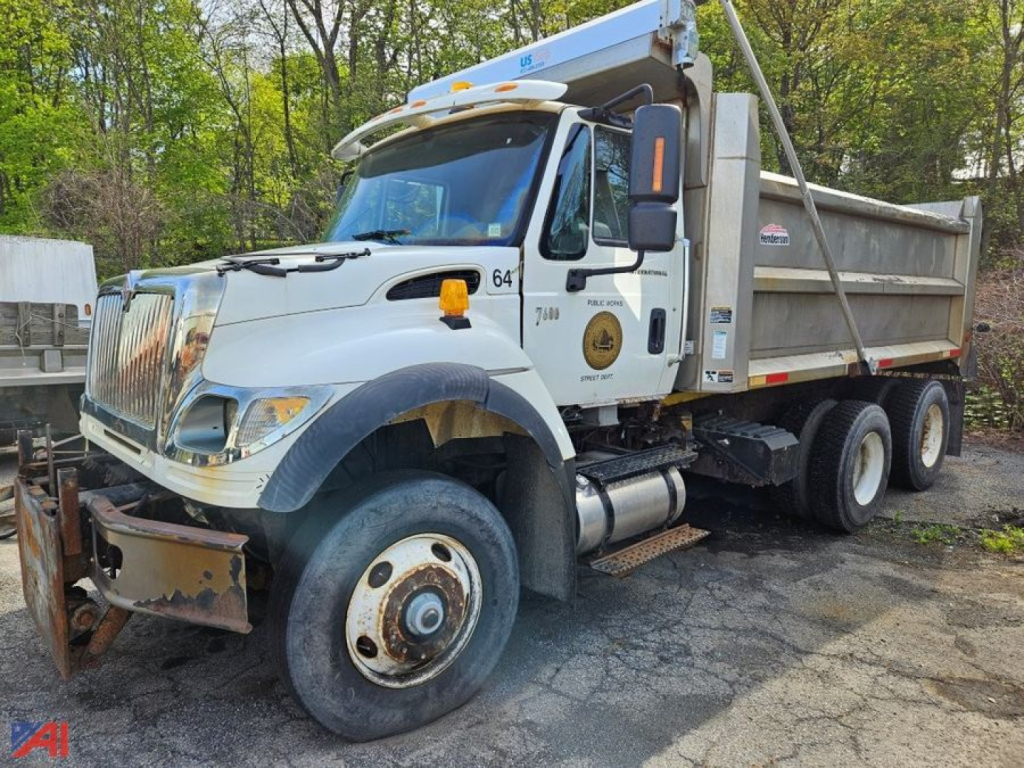
For vocational trucks, the key buying points are chassis class, wheelbase, body condition, and hydraulic performance. Dump trucks are often evaluated by hoist condition, bed material, side height, PTO engagement, and whether the setup includes a plow, spreader, or other snow and ice equipment that matters in New York winters. Bucket trucks need careful attention to boom height, platform controls, dielectric status if applicable, and overall utility body layout. Packer trucks are specialized refuse units, so buyers should look closely at packer body make, hopper wear, cylinder condition, tailgate seal integrity, and engine idle hours in addition to odometer mileage. On older municipal trucks, corrosion on frames, cab corners, crossmembers, and underbody components can matter as much as drivetrain condition.
For road tractors and highway-spec trucks, focus on the powertrain and operating spec. Engine make and model, horsepower, torque rating, transmission type, rear axle ratio, wheelbase, fuel capacity, suspension, and brake setup all affect where the truck fits best. A spec like a 13-speed manual with a high-horsepower diesel and tandem axles points to long-haul or regional freight capability, while a shorter-wheelbase single-axle truck may be better for local delivery or vocational work. Buyers comparing used trucks should also review emissions system history, ECM data when available, clutch and tire life, brake percentages, and maintenance documentation. In New York, rust exposure, cold-weather starting performance, and heater or bunk equipment can also be practical decision points.
A good used truck is not just about age or miles. It is about how the truck was spec'd, maintained, and matched to its job. The best comparisons come from looking at GVWR or GCWR, axle configuration, body or trailer compatibility, PTO and hydraulic setup, suspension type, and service records alongside the basic make and model. Buyers shopping this category will often find everything from Class 4 and 5 work trucks to Class 8 semis, so narrowing by application, weight class, and drivetrain is the fastest way to separate a workable asset from an expensive mismatch.
Frequently Asked Questions about Commercial Trucks Near East Aurora, New York
What types of trucks are typically included in a general trucks for sale category?
A general trucks category can include light-duty work trucks, medium-duty chassis trucks, vocational trucks, and Class 8 highway tractors. Common examples are dump trucks, bucket trucks, refuse packers, service trucks, flatbeds, and sleeper or day cab semis. Because the category is broad, buyers should filter by application, GVWR, axle configuration, and body style before comparing price alone.
What matters more on a used truck: mileage, hours, or overall condition?
Overall condition usually tells the fuller story. Mileage is important on highway trucks, but engine hours, PTO hours, idle time, hydraulic wear, frame condition, and maintenance history can be just as important, especially on municipal and vocational units. A lower-mile truck with heavy idle time, corrosion, or neglected service can be a worse buy than a higher-mile truck with documented maintenance and strong component life remaining.
How do I choose between a vocational truck and a highway tractor?
The decision starts with the job. Vocational trucks are built for tasks such as hauling aggregate, snow removal, utility work, refuse collection, and construction support. They typically prioritize PTO capability, rugged suspensions, body integration, and maneuverability. Highway tractors are designed for pulling trailers efficiently over regional or long-haul routes, so fuel capacity, sleeper configuration, axle ratio, wheelbase, and aerodynamic spec become more important.
What should buyers in New York pay extra attention to on used trucks?
Rust and corrosion should be high on the list, especially on frames, brake lines, cab mounts, crossmembers, dump bodies, and underbody hydraulic or electrical components. Trucks used through winter seasons may also show wear from plow service, salt exposure, and repeated cold starts. Buyers should inspect suspension components, wiring, lighting, hydraulic lines, and emissions equipment closely, and confirm that heaters, defrosters, and starting systems are working properly.
Are axle configuration and weight ratings really that important when buying a truck?
Yes. Axle setup and weight ratings determine legal payload, bridge compliance, maneuverability, and the kind of work the truck can handle. A single-axle truck may be ideal for lighter local work and tighter routes, while tandem-axle trucks usually support heavier payloads and more demanding applications. Matching GVWR, GCWR, suspension, and wheelbase to the intended body or trailer is one of the most important parts of buying the right truck.