
Used Dump Trucks For Sale in Pennsylvania
Browse used dump trucks for sale in Pennsylvania, including single-axle, tandem, and CDL or non-CDL units for construction, municipal, and paving work.
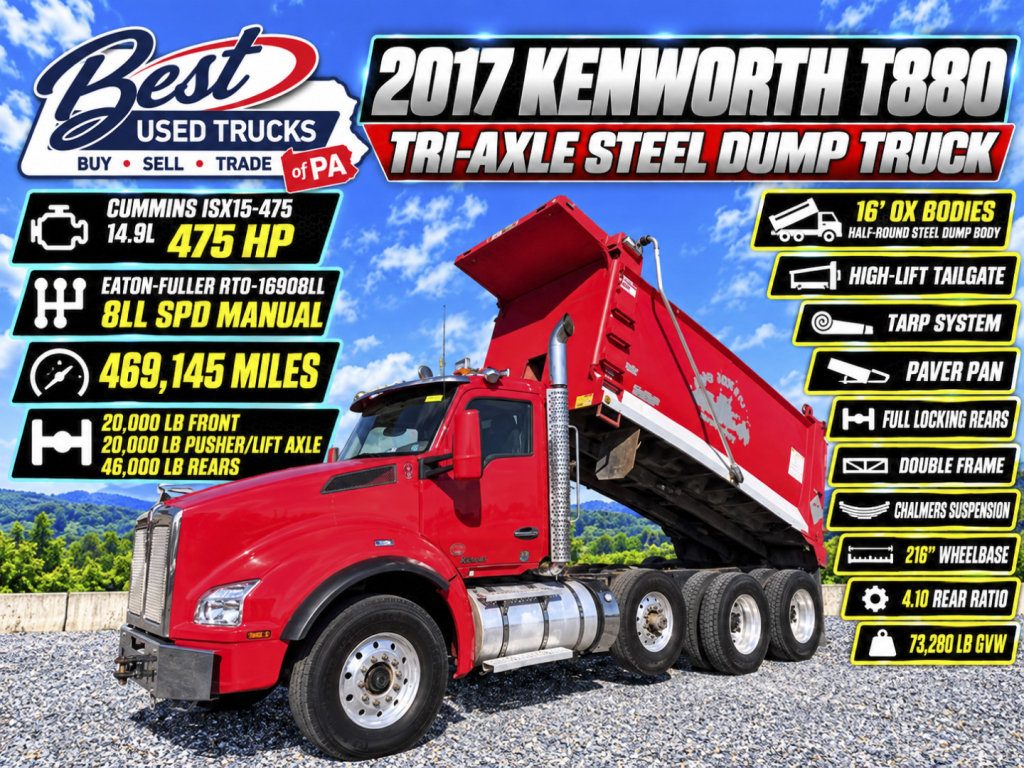
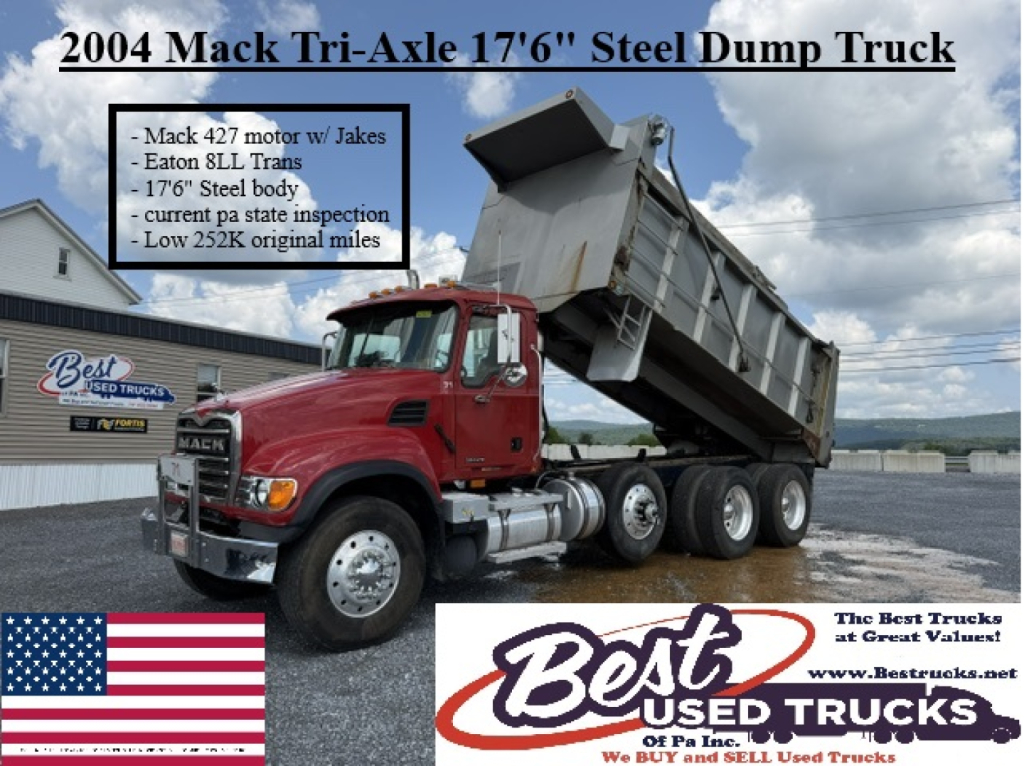
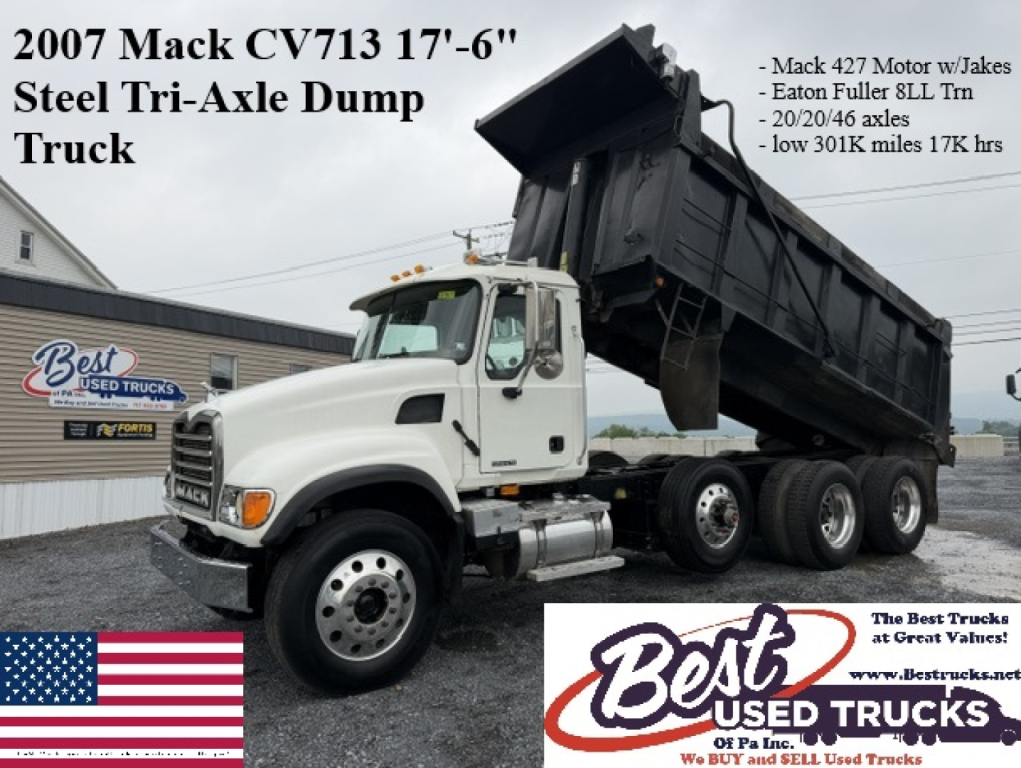

Selling a used dump truck? List your used dump truck for sale and reach thousands of commercial buyers.
Used Dump Trucks in Pennsylvania
A used dump truck is more than the chassis. Body construction, hoist design, and hydraulic setup directly affect how the truck performs. Steel bodies are preferred for demolition, rock, and abrasive material, while aluminum bodies help reduce tare weight and improve payload on lighter bulk commodities. Common body lengths on medium-duty units run around 9 to 12 feet, while heavier vocational trucks often carry 15 to 18 foot bodies with higher side walls. Look closely at floor condition, crossmembers, hinge points, hoist cylinders, tailgate operation, and any signs of previous welding or hard impact loading. If the truck has a plow package, central hydraulics, or a combination dump and spreader setup, that can add value for contractors and municipalities that need year-round utilization.
Pennsylvania buyers should also evaluate corrosion and frame condition carefully. Trucks that have spent winters on salted roads often show rust on frames, cab corners, dump bodies, hydraulic lines, electrical connectors, and underbody components. A current state inspection can be a positive sign, but it should not replace a close review of brake condition, suspension wear, steering play, and driveline health. Common specs in this category include diesel engines from Cummins, Cat, Duramax, Mack, and International platforms, paired with manual, Allison automatic, or heavier vocational automatic transmissions. Air brakes are standard on many larger units, while medium-duty non-CDL trucks may be spec'd to stay at 25,999 GVWR for operators trying to avoid CDL requirements.
The best used dump truck is the one matched to the material, route, and loading method. A contractor hauling short runs from quarry to site may prioritize payload, axle rating, and body capacity. A township or snow contractor may care more about four-wheel drive, front plow gear, central hydraulics, and reliability in winter service. If the truck will see frequent off-road use, pay attention to suspension type, tire size, locking differentials, and ground clearance. Buyers comparing listings should focus on GVWR, axle ratings, body make, body length, hoist type, engine hours if available, and evidence of consistent maintenance. Those details matter more than paint, because dump trucks earn their keep in harsh conditions and the spec sheet usually tells the real story.
Frequently Asked Questions about Used Dump Trucks in Pennsylvania
What is the difference between a single-axle and tandem-axle dump truck?
A single-axle dump truck is typically easier to maneuver, lighter, and better suited for smaller jobs, local deliveries, and tighter access points. A tandem-axle dump truck usually offers higher GVWR, better payload capacity, and improved stability under heavier loads such as gravel, millings, broken concrete, and wet soil. The right choice depends on legal weight limits, route restrictions, and the type of material being hauled.
Are there used dump trucks available under CDL weight ratings?
Yes. Many medium-duty dump trucks are spec'd at 25,999 GVWR to stay under the federal CDL threshold. These under-CDL dump trucks are popular with landscapers, small contractors, and local municipalities because they can handle a wide range of hauling tasks without moving into a heavier licensing class. Buyers still need to verify state rules, registration class, brake type, and actual payload needs before choosing a non-CDL unit.
What should I inspect first on a used dump truck in Pennsylvania?
Start with frame rust, dump body condition, and the hydraulic system. Pennsylvania trucks often work in salted winter conditions, so corrosion can affect structural components, brake lines, wiring, hoists, and body mounts. After that, inspect the floor and sides of the dump body, tailgate latches, hinge pins, PTO operation, suspension components, and any signs of cracks or previous repairs. A truck that starts and runs well can still need expensive body or hydraulic work.
Is a steel or aluminum dump body better?
Steel dump bodies generally hold up better in severe service applications such as demolition, rock hauling, scrap, and abrasive aggregate. Aluminum dump bodies reduce empty weight and can improve legal payload, which is useful for bulk materials such as mulch, grain, or less abrasive stone. The better body material depends on the work cycle, material type, and how much importance is placed on durability versus tare weight.
What features matter most for snow and municipal use?
For snow and municipal applications, buyers often look for front plow mounts, central hydraulics, spreader controls, adequate front axle capacity, and dependable cold-weather starting. Four-wheel drive can be valuable on smaller or medium-duty units working secondary roads, lots, and steep access points. Heated mirrors, strobe wiring, pintle hitches, and easy-to-service hydraulic components also matter because these trucks often shift from winter road service to summer hauling and maintenance work.