
Used Dump Trucks For Sale in Oklahoma
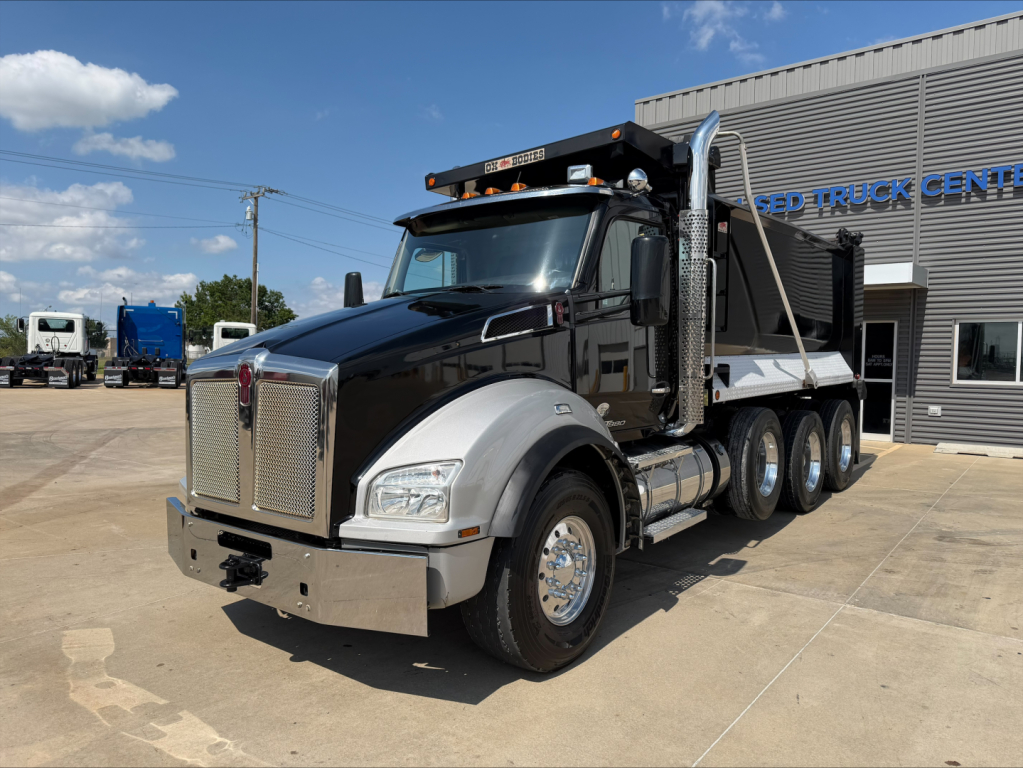
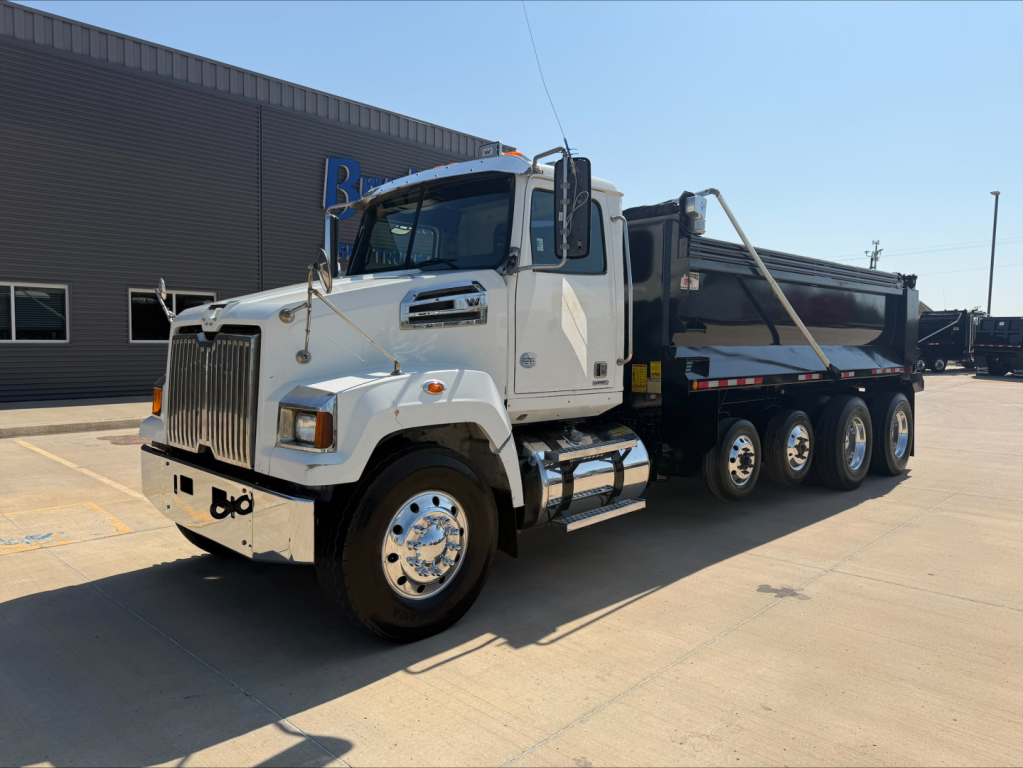
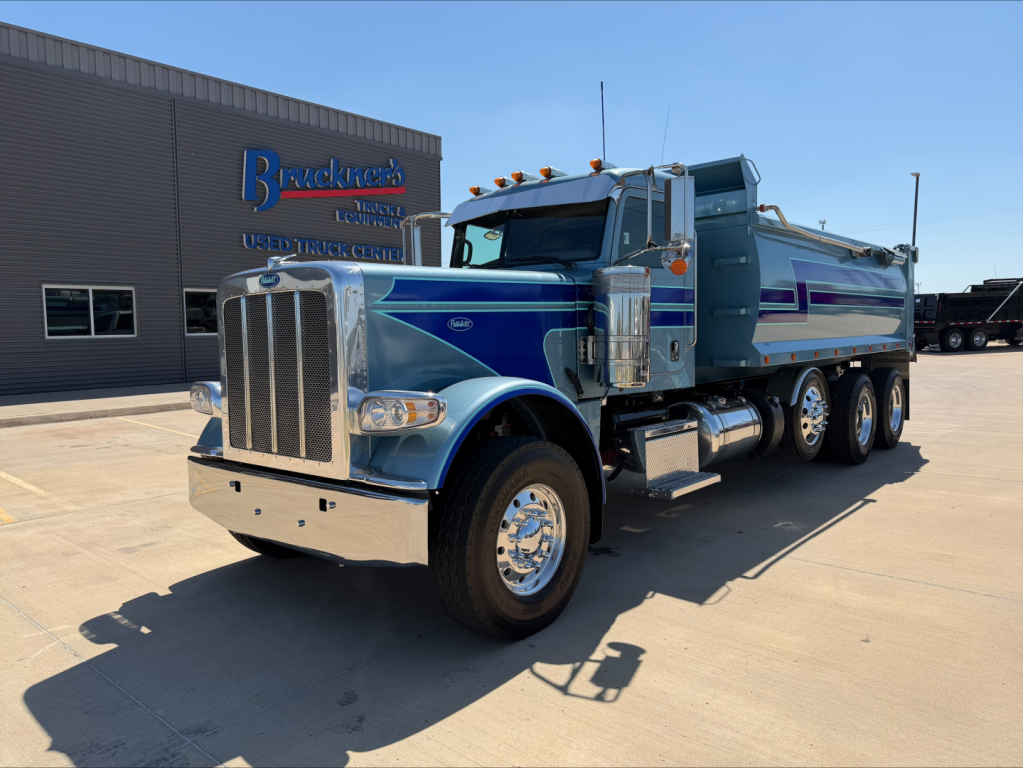
Used dump trucks for sale in Oklahoma, including tandem, tri-axle, and quad-axle vocational trucks for aggregate, asphalt, dirt, and site work.
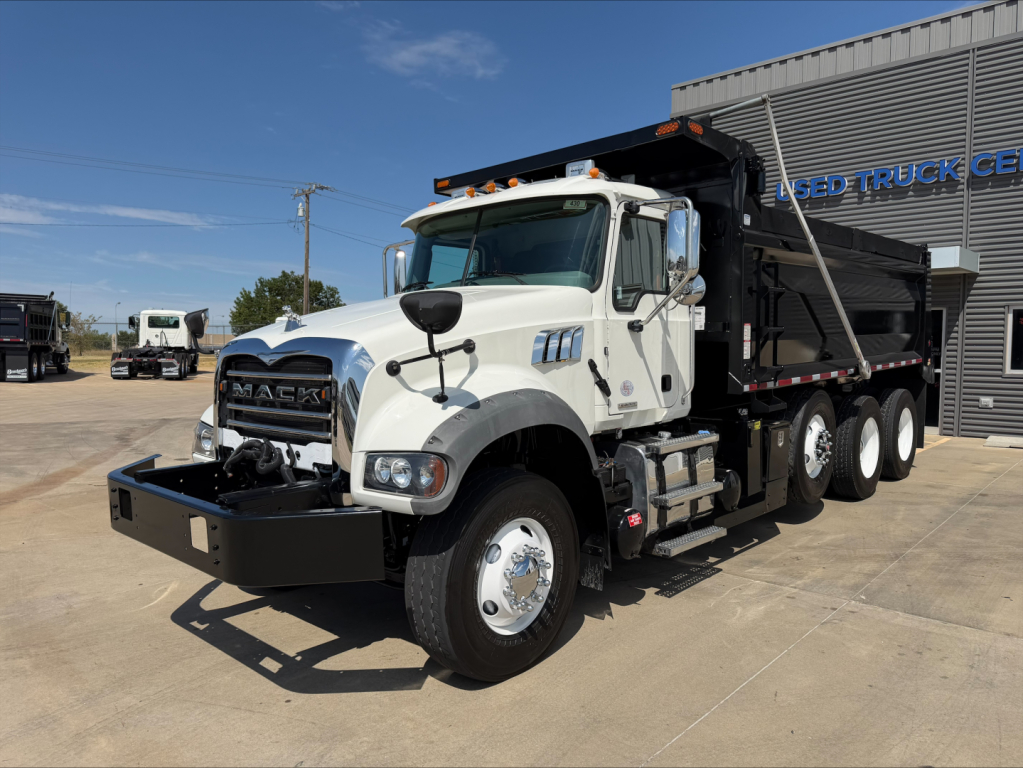

Selling a used dump truck? List your used dump truck for sale and reach thousands of commercial buyers.
Used Dump Trucks in Oklahoma
Common specs in this category include 18,000 to 20,000 lb front axles, 40,000 to 46,000 lb rears, and pusher axles in the 8,000 to 20,000 lb range depending on the application. Engines in the 400 to 500 hp range are typical, paired with manual, automated manual, or Allison automatic transmissions. A manual or 8LL setup still appeals to operators working in soft ground or steep site conditions where low-speed control matters. Allison automatics are popular in municipal and stop-and-go work, while automated manuals are often chosen to balance driver convenience with fuel economy. Rear axle ratios such as 3.55, 4.10, and 4.70 each push the truck toward a different job, with deeper ratios favoring startability and off-road performance over highway speed.
Dump bodies on used vocational trucks in this class are often steel contractor bodies from builders such as Ox Bodies, commonly in the 15 ft to 18 ft range and around 21 to 22 cubic yards depending on side height and shape. Elliptical bodies are valued for cleaner unloading and reduced material hang-up, especially with wet or sticky loads. Buyers should look closely at floor thickness, sidewall condition, hoist performance, tailgate style, crossmember integrity, and signs of hard aggregate use. Suspension choice also matters. Chalmers, camelback-style, and heavy spring suspensions remain common for rugged durability, while other vocational suspensions can improve ride and control depending on route mix.
For Oklahoma buyers, the real decision is matching the truck to the blend of county roads, paving work, pit hauling, and jobsite access it will see. A lower-mileage late-model dump truck may offer emissions system updates, better cab ergonomics, and automated transmission options, but an older mechanical-style spec can still make sense if simplicity and ease of service are priorities. Check frame condition, PTO operation, hydraulic leaks, liner wear, steer tire scrub, brake life, and maintenance records before comparing price alone. On a used dump truck, the body, hoist, suspension, axle ratings, and transmission spec usually matter just as much as the badge on the hood.
Frequently Asked Questions about Used Dump Trucks in Oklahoma
What is the best axle configuration for a used dump truck in Oklahoma?
The best axle configuration depends on payload targets, local bridge laws, and the type of work. Tandem axle dump trucks are easier to maneuver and fit well on tighter construction sites, residential work, and shorter hauls. Tri-axle and quad-axle dump trucks add carrying capacity through one or two lift axles, which can be important for aggregate, asphalt, and heavier dirt loads. Buyers should verify axle ratings, pusher placement, wheelbase, and legal operating weights in the lanes and counties where the truck will actually run.
Is an automatic or manual transmission better in a dump truck?
Both can be right, but they suit different operations. Allison automatic transmissions are widely preferred for stop-and-go hauling, municipal routes, and drivers who need smooth launch and backing control. Manual transmissions, including low-hole vocational setups like an 8LL, still have value in rough terrain and off-road work where precise gear selection matters. Automated manuals such as mDrive or Ultrashift sit in the middle, offering easier operation than a traditional manual while often preserving better efficiency than a full automatic.
What should I inspect first on a used dump truck?
Start with the dump body, hoist, frame, and suspension because those components often show the true severity of vocational use. Check for cracked crossmembers, body floor wear, tailgate hinge damage, cylinder leaks, sloppy pins and bushings, and any signs of frame repairs around the hoist mount or suspension hangers. Then review engine hours, transmission operation, PTO engagement, brake condition, tire wear, and maintenance records. A clean cab and decent mileage do not offset a worn-out body or a chassis that has been overloaded.
How many cubic yards should a dump truck body have?
Body capacity should match material type and legal weight, not just volume. A 15 ft to 18 ft body in the low-20-yard range is common on vocational dump trucks, but lighter materials like mulch can cube out before the truck weighs out, while rock, sand, and millings can hit weight limits quickly. The practical buying question is how the body size works with axle ratings, suspension, and local gross weight rules. A larger body is only useful if the truck can legally and safely carry the load.
Are steel elliptical dump bodies better than traditional square bodies?
Elliptical dump bodies are popular because they shed material more cleanly and reduce corners where wet material can pack in. That can help with unloading sticky dirt, asphalt, and mixed aggregate. Traditional square bodies still have a place, especially when specific side configurations or job requirements call for them. The more important issue on a used truck is overall body condition, including floor thickness, sidewall integrity, tailgate operation, and the quality of any previous repairs.