
Used Dump Trucks For Sale in North Carolina
Browse used dump trucks for sale in North Carolina, including tandem, tri-axle, and quint axle specs for hauling aggregate, asphalt, and site material.
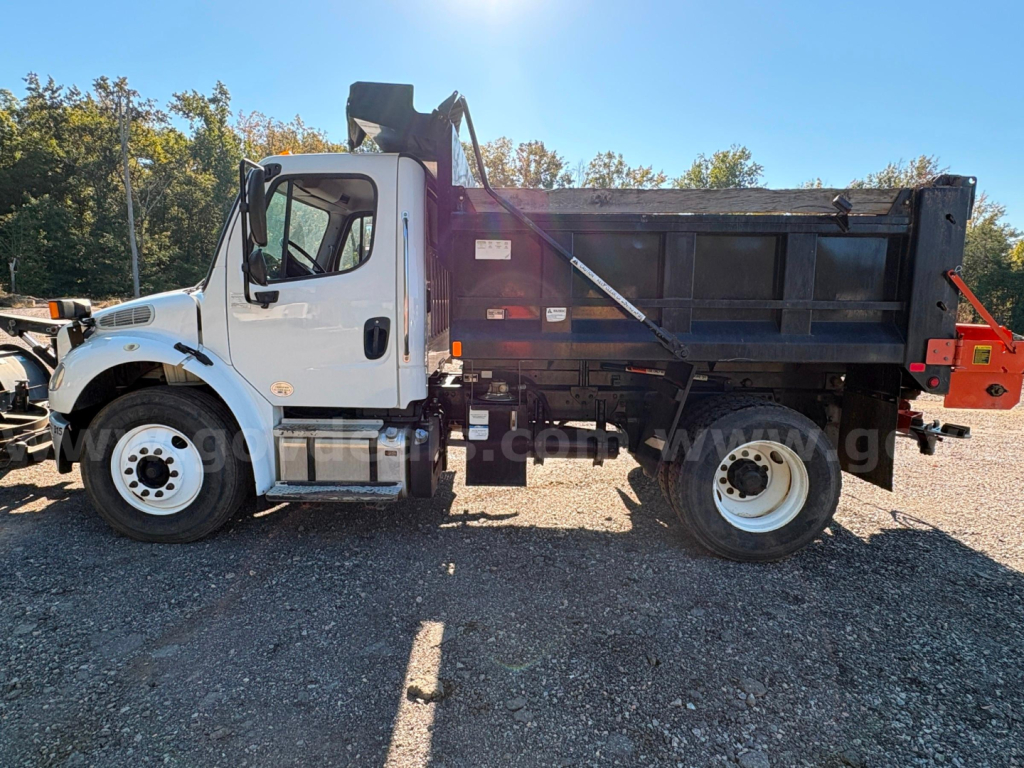
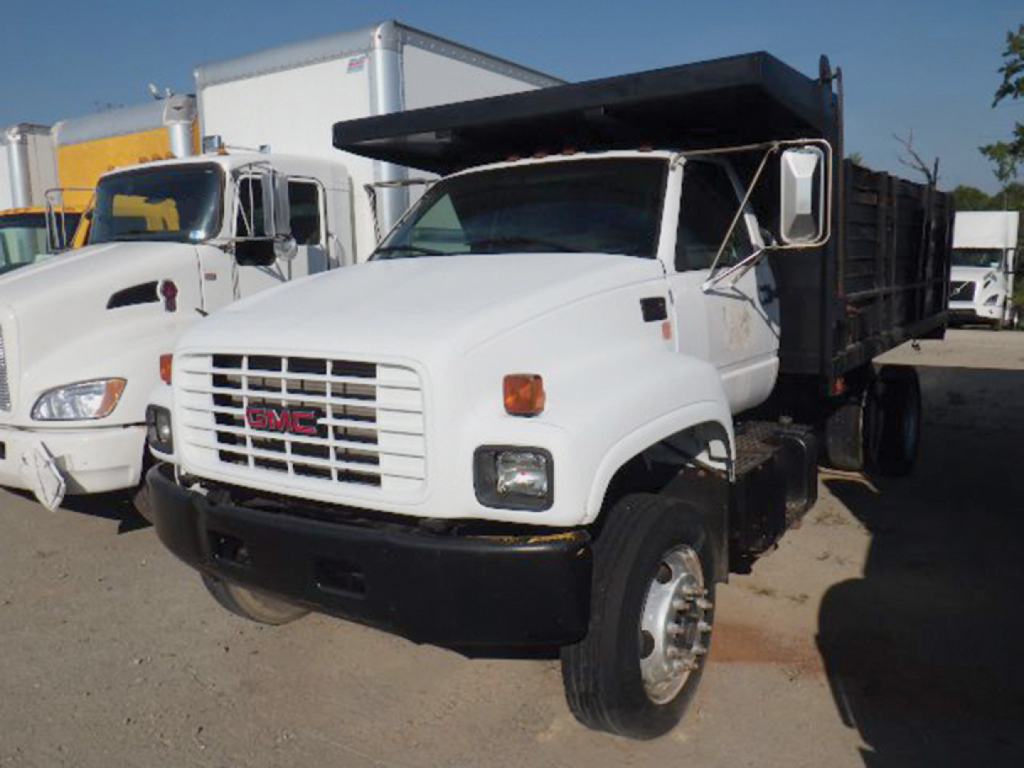
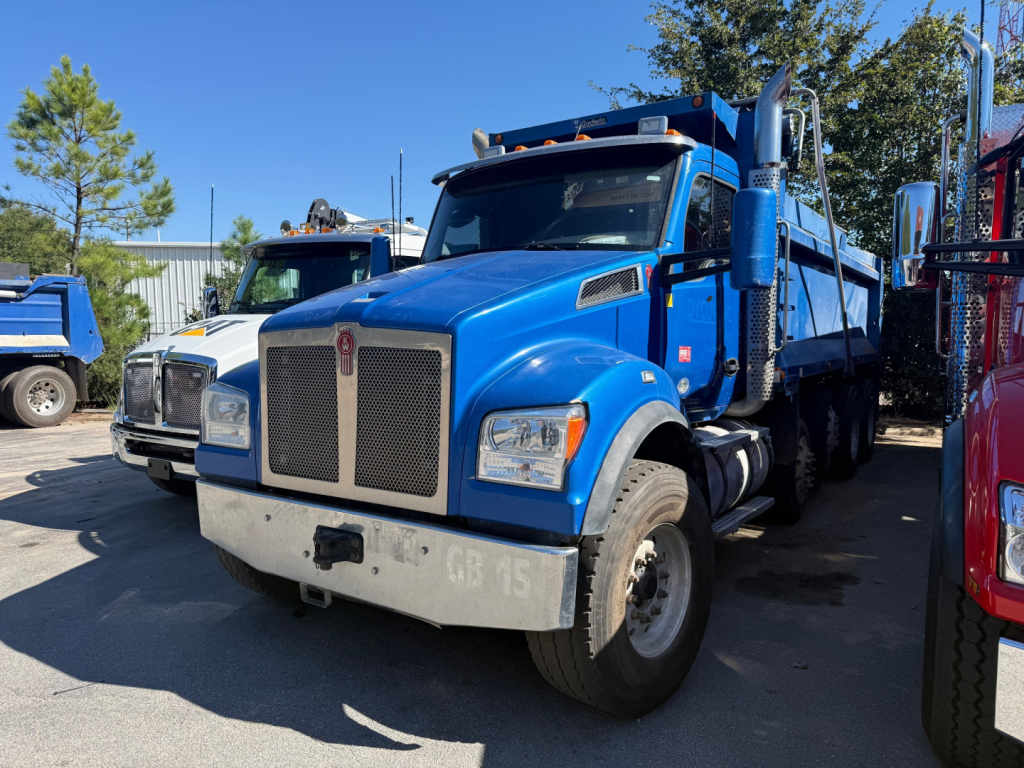
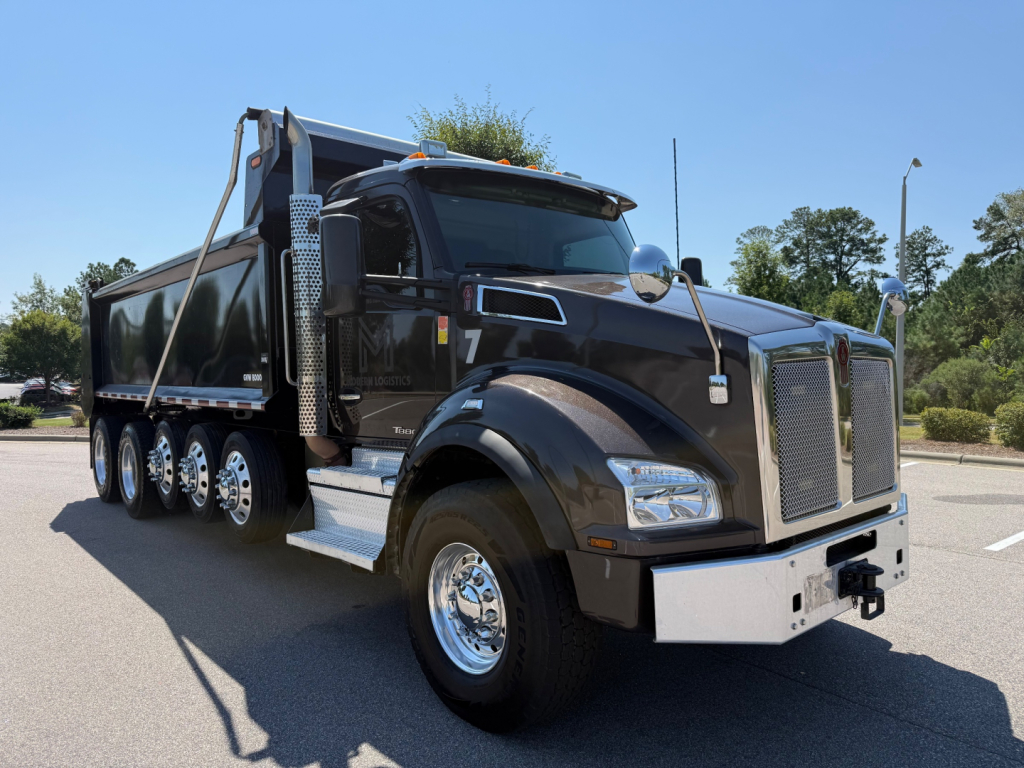
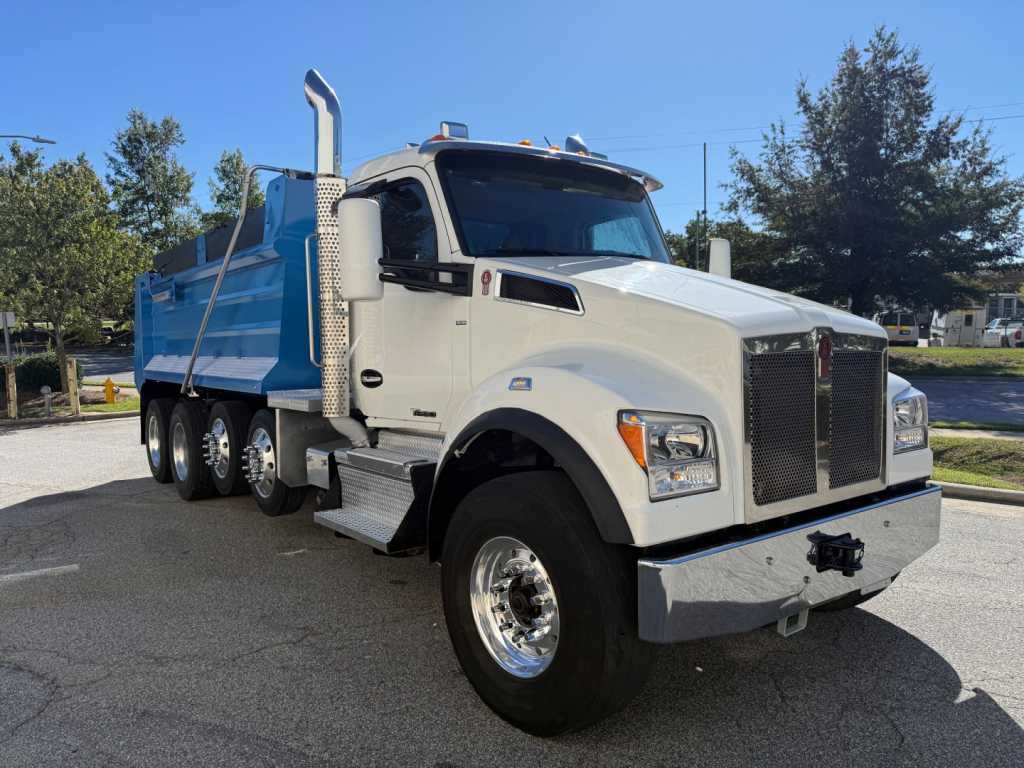
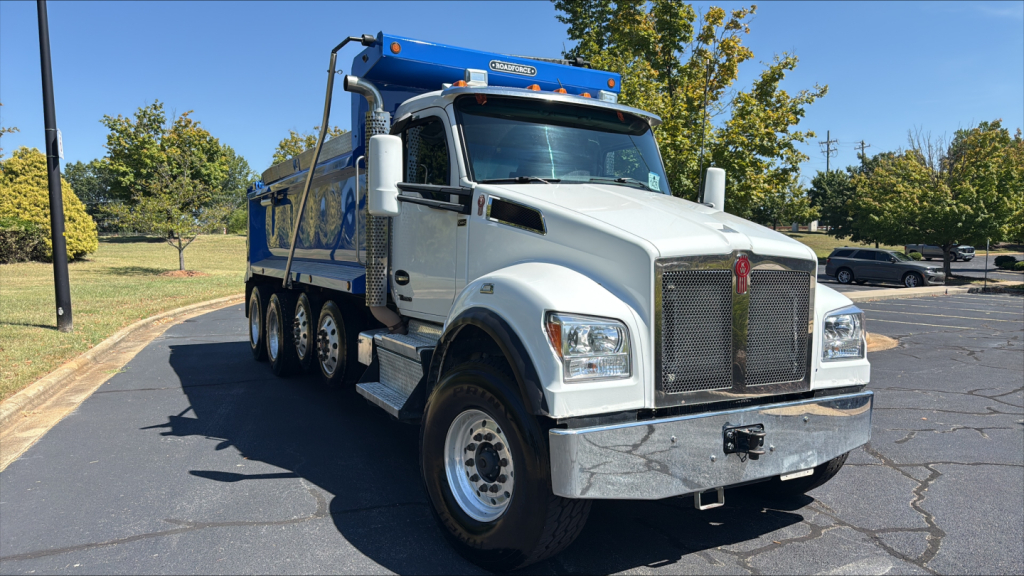

Selling a used dump truck? List your used dump truck for sale and reach thousands of commercial buyers.
Used Dump Trucks in North Carolina
A buyer comparing used dump trucks should look closely at the complete vocational spec, not just engine horsepower. Front axle rating, rear axle capacity, suspension type, frame reinforcements, PTO and hoist setup, body length, and body material all matter. Typical specs in this class include 16- to 19-foot dump bodies, 20,000-lb front axles, 44,000- to 46,000-lb rears, and drivetrains centered around big-bore diesel engines from Cummins or Mack. Transmissions may be manual, automated manual, or full automatic depending on duty cycle and driver preference. Double-frame construction, air lift pushers, electric roll tarps, air gates, and low-profile 24.5 rubber are all common features on trucks configured for paving crews, quarry work, and general construction hauling.
Body and hoist choices affect long-term operating cost as much as payload. Aluminum dump bodies reduce tare weight and help maximize tons hauled, while steel bodies generally hold up better in severe applications such as demolition debris, riprap, or abrasive material. An air-ride suspension can improve ride quality and driver comfort on paved routes, but some buyers still prefer more jobsite-focused vocational suspensions for stability and durability in rough conditions. Pay attention to wheelbase and body placement, especially on tri-axle trucks, because axle spacing and pusher placement influence turning radius, load distribution, and how easily the truck scales legally. Buyers should also inspect tailgate style, liner condition, hoist wear, hydraulic leaks, and signs of frame stress around the body mounts and suspension hangers.
North Carolina buyers often shop used dump trucks by application: asphalt and stone hauling around metro markets, municipal and utility work, or dirt and grading in growing suburban corridors. A truck set up for highway material hauling can be very different from one built for repeated off-road loading and uneven access roads. Cab condition, steering effort, visibility, and brake performance matter because these trucks spend long days in stop-and-go cycles with frequent backing and loading. On used units, service records, engine hours, transmission history, axle condition, and evidence of hard body use usually tell more than model year alone. Well-spec'd dump trucks from brands like Kenworth, Peterbilt, Mack, and International remain in demand because the right vocational truck can stay productive for years if the chassis, hydraulics, and body have been maintained correctly.
Frequently Asked Questions about Used Dump Trucks in North Carolina
What axle configuration is best for a used dump truck in North Carolina?
The best axle configuration depends on the material being hauled, the legal weight target, and the type of route the truck runs. Tandem-axle dump trucks are simpler, lighter, and easier to maneuver on tighter jobsites, but tri-axle and quint-axle trucks usually offer better payload potential for aggregate, asphalt, and bulk material work. In North Carolina, many buyers focus on tri-axle dumps with lift axles because they offer a strong balance of legal payload, flexibility, and resale demand.
Is an aluminum or steel dump body better on a used dump truck?
Aluminum bodies are popular when payload matters most because they reduce empty weight and allow more tons per load. Steel bodies are typically better for severe-duty applications where the truck sees demolition debris, large rock, or highly abrasive material that can wear a lighter body faster. The right choice comes down to the truck's daily work, because body material affects both earning potential and repair cost over time.
What should I inspect first on a used dump truck?
Start with the frame, hoist, hydraulic system, body floor, tailgate, suspension, and axle ratings because those are the components most directly tied to vocational use. Look for cracked welds, hydraulic seepage, uneven tire wear, body damage, signs of overloading, and stress around suspension hangers or body mounts. Engine and transmission condition are still critical, but on a dump truck the vocational hardware often shows the clearest evidence of how hard the unit has worked.
Are automatic transmissions a good choice in dump trucks?
Automatic and automated manual transmissions are common in newer dump truck specs because they reduce driver fatigue and can improve consistency in stop-and-go hauling. They are especially useful on routes with frequent starts, traffic, and repeated loading cycles. Many buyers still prefer manual transmissions for simplicity and driver familiarity, but transmission choice should match the truck's terrain, driver pool, and maintenance plan.
How important are wheelbase and lift axle placement on a dump truck?
Wheelbase and lift axle placement are very important because they affect turning radius, weight distribution, bridge compliance, and how the truck performs on the scale. A truck with the wrong axle spacing for its body length or expected load can be harder to balance legally and less efficient on the job. Buyers comparing used dump trucks should review the full axle layout, body length, and intended payload together rather than evaluating those specs separately.