
Used 2025 Dump Trucks For Sale
Browse used 2025 dump trucks for sale, including single-axle and tandem models with PTO hydraulics, steel or aluminum bodies, and vocational specs.
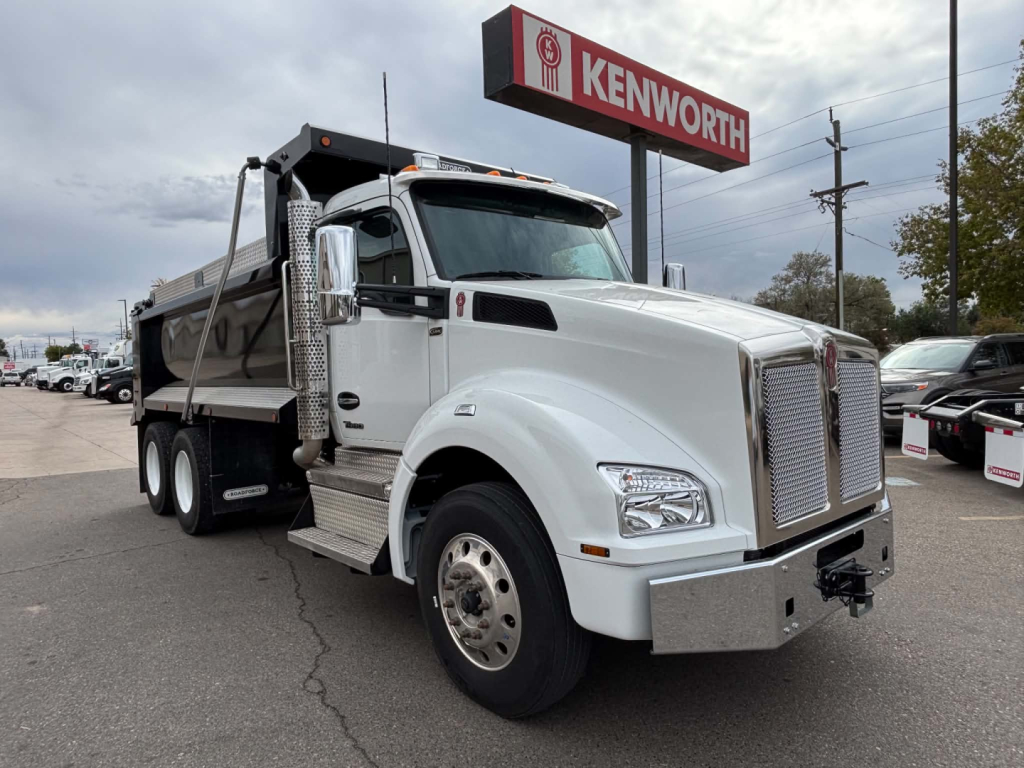
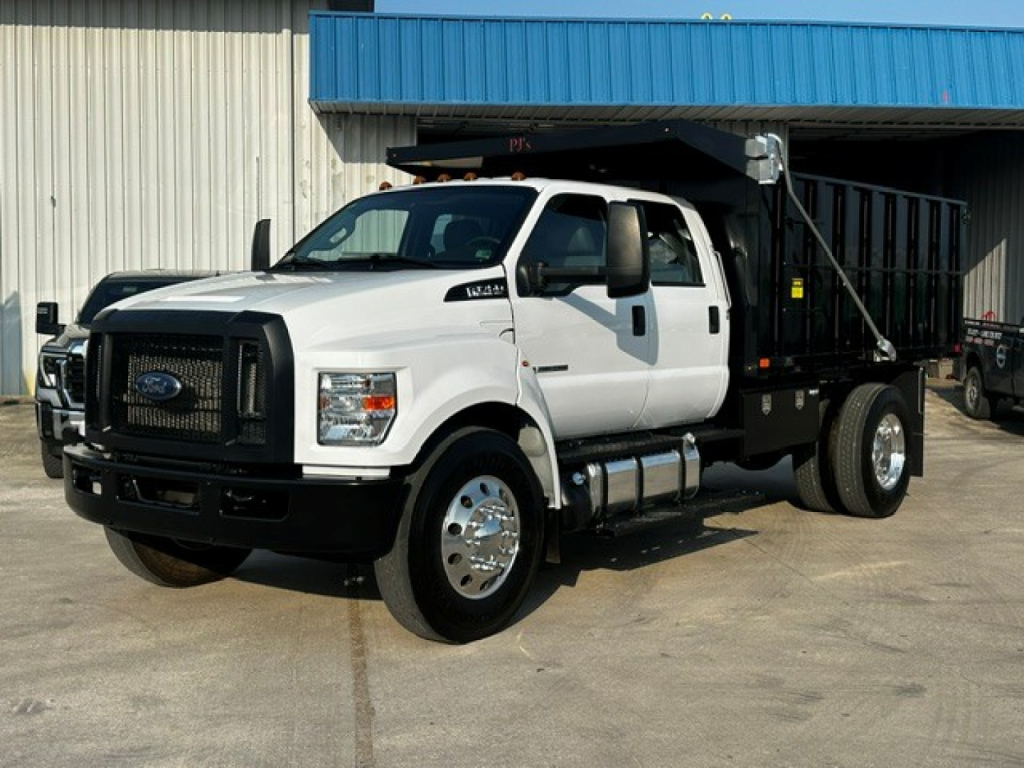
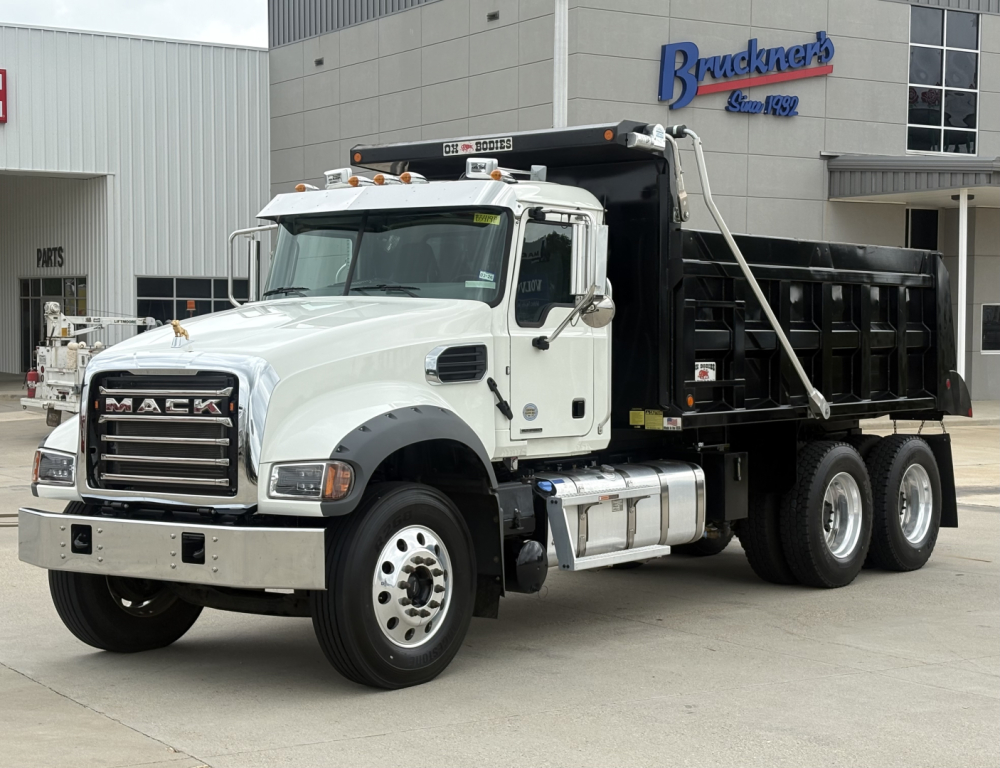
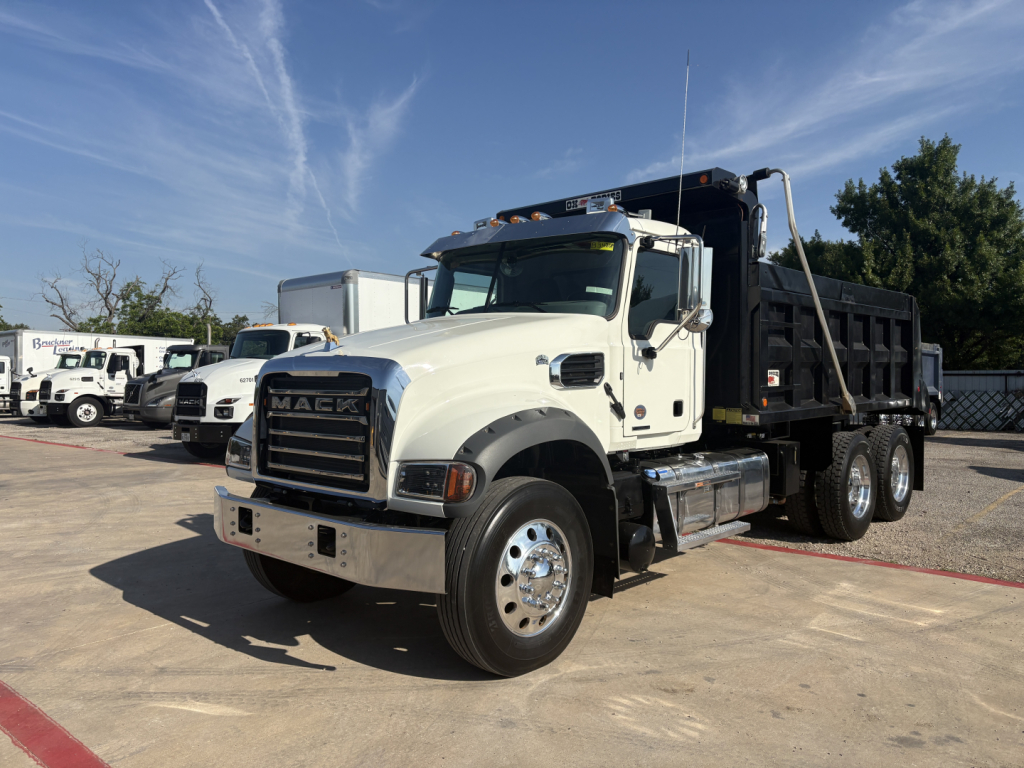
Selling a used 2025 dump truck? List your used 2025 dump truck for sale and reach thousands of commercial buyers.
Used 2025 Dump Trucks
A buyer should start with GVWR, wheelbase, and body dimensions, because those three specs shape payload, maneuverability, and body fit. Common dump body lengths range from compact landscape bodies up to full-size contractor and aggregate bodies, with steel bodies favored for abrasion resistance and aluminum bodies chosen to save weight and improve legal payload. Look closely at side height, tailgate style, hoist type, and liner condition. High-lift tailgates, air-operated gates, multi-stage telescopic cylinders, and underbody hoists all affect how the truck handles different materials such as sand, gravel, millings, riprap, brush, or debris. PTO engagement, wet kit condition, and any signs of hydraulic seepage should be part of the inspection on any used dump truck.
Powertrain choice matters because dump trucks spend a lot of time in stop-and-go duty, PTO operation, and uneven terrain. Many buyers prefer automatic transmissions for ease of use in municipal or multi-driver fleets, while manual transmissions still appeal in certain vocational applications where gear control and lower initial cost are priorities. Pay attention to rear axle rating, suspension type, brake configuration, and tire size, especially if the truck will see rough sites or frequent loaded miles. Air brakes are standard on heavier units, and locking differentials, heavy front axles, and severe-duty suspensions can be valuable on trucks used for plow work, asphalt support, or deep-site access. If the truck includes snow and ice equipment, spreader controls, front plow mounts, wing plows, or underbody scrapers, verify that the hydraulic circuits and electrical controls are complete and functioning.
For a used 2025 dump truck, condition review should go beyond odometer miles. Engine hours, idle time, frame condition, hoist performance, body floor wear, crossmember corrosion, and tailgate seal integrity all tell you more about remaining service life than mileage alone. Fleet-maintained municipal and contractor trucks can be strong buys when maintenance records are available, but buyers should still inspect for rust, hard loading damage, frame repairs, and emissions-system history. A good dump truck should match the material being hauled, the roads it runs, and the jobsite space it has to work in. When those specs line up, a late-model used dump truck can deliver strong productivity with fewer compromises than an older vocational chassis.
Frequently Asked Questions about Used 2025 Dump Trucks
What should I look for first when buying a used 2025 dump truck?
Start with axle configuration, GVWR, body size, and hydraulic system type. Those specs determine payload, maneuverability, and whether the truck fits your actual work. After that, inspect the dump body floor, hoist cylinder, PTO operation, tailgate hardware, frame rails, suspension, and brake system. On a late-model truck, emissions history, engine hours, and maintenance records are just as important as mileage.
Is a steel or aluminum dump body better?
Steel dump bodies are generally better for severe service, demolition debris, rock, and abrasive material because they resist impact damage and wear better. Aluminum dump bodies reduce empty weight, which can improve legal payload and fuel economy, and they are often preferred in applications where corrosion resistance matters. The right choice depends on what the truck hauls every day and how rough the loading environment is.
What is the difference between a single-axle and tandem-axle dump truck?
A single-axle dump truck is typically easier to maneuver, lighter, and well suited for landscaping, residential work, and urban routes. A tandem-axle dump truck carries heavier payloads and is more common in aggregate, paving, excavation, and larger commercial jobs. Tandem trucks also tend to offer better stability and durability in harder vocational service, but they come with higher operating costs and a larger footprint.
Do engine hours matter on a used dump truck?
Yes. Engine hours are important because dump trucks often spend long periods idling, operating PTO-driven hydraulics, or working in low-speed duty cycles. A truck with moderate mileage can still have substantial engine wear if idle hours are high. Comparing odometer miles with engine hours gives a clearer picture of how the truck was used and can help identify municipal, seasonal, or stop-and-go vocational service patterns.
Are municipal dump trucks a good buy?
They can be, especially when maintenance schedules were consistent and service records are available. Municipal trucks are often maintained on strict intervals and may include useful equipment such as plows, spreaders, and pre-wet systems. Buyers should still inspect carefully for corrosion from road salt, wear in hydraulic and electrical systems, and signs of seasonal heavy-duty use, particularly on trucks that handled snow and ice control.