
Used 2024 Dump Trucks For Sale
Browse used 2024 dump trucks for sale, including light, single-axle, tandem, and tri-axle models for construction, paving, and hauling work.
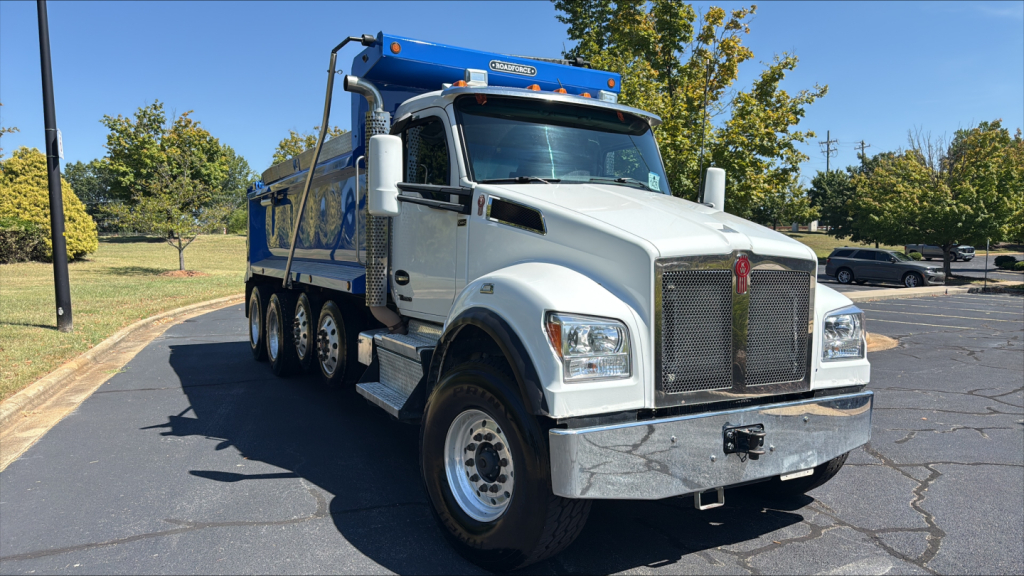
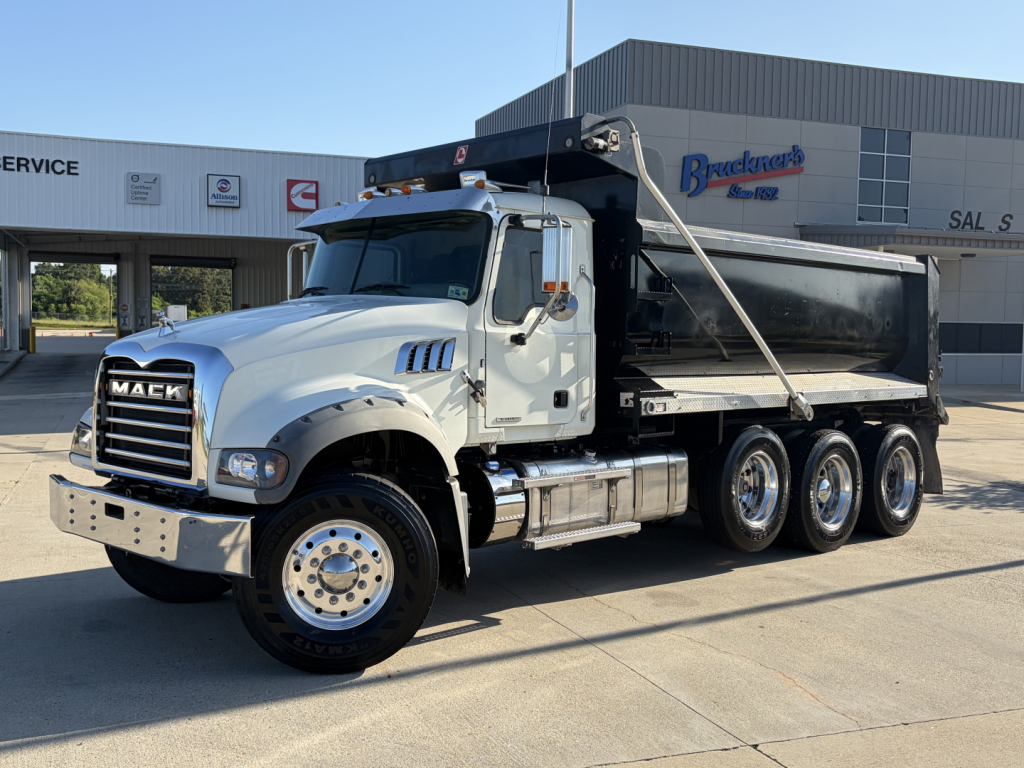
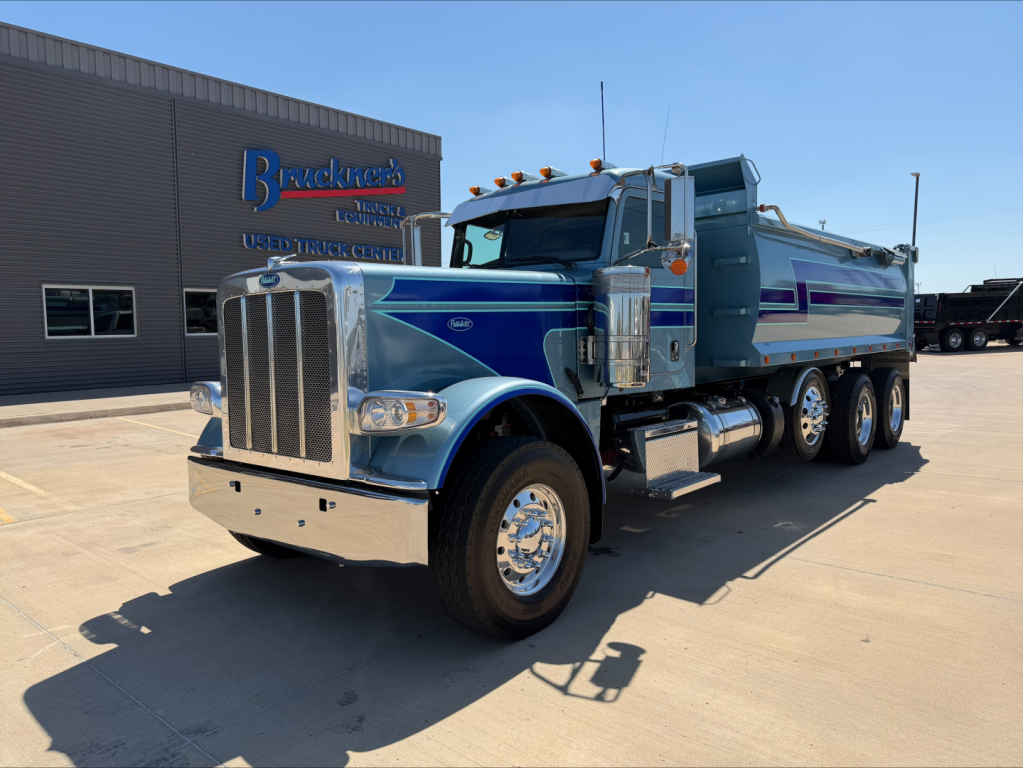
Selling a used 2024 dump truck? List your used 2024 dump truck for sale and reach thousands of commercial buyers.
Used 2024 Dump Trucks
The first buying decision is usually body and axle configuration. A lighter mason dump or contractor dump may carry a 10 to 12 foot steel or aluminum body with fold-down sides, electric-over-hydraulic hoist, and combination tailgate for landscaping, debris, and small construction material. Heavier spec dump trucks often run 15 to 17 foot bodies, half-round or square designs, underbody or telescopic hoists, high-lift gates, air-operated tailgates, tarpers, and cab shields. Tandem and tri-axle dumps are common for stone, millings, and asphalt, while single-axle units make sense for tighter job sites and municipalities. Body floor thickness, side height, liner condition, and hoist capacity matter because they directly affect payload, durability, and how well the truck handles abrasive material.
Chassis spec is what separates a truck that works every day from one that is wrong for the route. Buyers should pay close attention to GVWR, steer and rear axle ratings, suspension type, wheelbase, frame reinforcement, PTO setup, and tire size. Severe-duty trucks may use 18,000 to 20,000 pound front axles, 40,000 to 46,000 pound rears, double frames, heavy vocational suspensions, and large front rubber for improved flotation and steer axle capacity. Engine horsepower in this segment commonly ranges from the low 300s in municipal or lighter applications to 500-plus horsepower in tri-axle work, with torque and transmission gearing having just as much impact as peak horsepower. Allison automatics remain popular in stop-and-go and plow service, while automated manuals are common where fuel economy and highway travel matter.
A good used 2024 dump truck should be evaluated as both a chassis and a body system. Check the emissions history, idle hours, PTO engagement, hydraulic response, hinge pins, hoist mounts, crossmember condition, tailgate seals, tarp system operation, and any signs of body distortion from overloads. On lift-axle trucks, inspect the suspension controls, steering components if equipped, and tire wear patterns. If the truck will handle winter duty, look for plow hydraulics, wing prep, central hydraulics, and corrosion protection. For construction hauling, focus on legal payload, local bridge-law compliance, maneuverability, and how the body spec matches the material being hauled. The best value in a used 2024 dump truck usually comes from matching the axle package, body design, and drivetrain to the exact job rather than buying strictly on horsepower or price.
Frequently Asked Questions about Used 2024 Dump Trucks
What should I look for first when buying a used 2024 dump truck?
Start with the truck’s intended job, then match the axle configuration, body size, and legal payload requirements to that work. A contractor or landscape operation may be better served by a lighter single-axle or Class 5 dump body, while aggregate, paving, and excavation work usually require tandem or tri-axle specs with heavier suspensions, stronger hoists, and more axle capacity. After that, inspect the body, frame, PTO, and hydraulic system as closely as the engine and transmission, because body repairs and hoist issues can quickly become expensive.
What is the difference between a contractor dump and a heavy-duty tandem or tri-axle dump truck?
A contractor dump is typically a lighter truck with a shorter body, lower GVWR, and a simpler hoist setup for tools, debris, mulch, or smaller material loads. A heavy-duty tandem or tri-axle dump truck is built on a severe-duty chassis with higher front and rear axle ratings, stronger frames, and body specs designed for repeated hauling of stone, asphalt, dirt, and demolition material. The heavier truck usually offers better payload and durability, but it also brings higher operating costs and may be less maneuverable on small sites.
Are automatic transmissions common in used dump trucks?
Yes. Allison automatic transmissions are common in dump trucks used for municipal work, plowing, and stop-and-go routes because they are easy to operate and well suited to repeated starts, backing, and PTO-related work. Automated manual transmissions are also common in newer vocational trucks, especially where operators want better fuel economy and more highway flexibility. The right choice depends on terrain, driver preference, gross weight, and how often the truck works in crowded job sites or urban traffic.
How important is the dump body style on a used 2024 dump truck?
Body style is critical because it affects loading, unloading, material flow, and long-term wear. Half-round bodies generally shed sticky or abrasive material more easily and are popular in aggregate hauling, while square bodies can offer more versatility for mixed material and general construction use. Buyers should also compare body length, floor thickness, side height, gate style, tarp system, and hoist type, since those details determine how productive the truck will be in the field.
Can a used 2024 dump truck be set up for snow and municipal work?
Many can, especially if the chassis has front frame extensions, plow attachments, central hydraulics, or controls for spreader and wing equipment. Municipal buyers often look for automatic transmissions, corrosion-resistant bodies, autolube systems, and hydraulic options that support plows, wings, and salt or sand equipment. If winter use is planned, inspect the truck carefully for rust, hydraulic line condition, electrical integrity, and any evidence of prior salt exposure.