
Used 2008 Dump Trucks For Sale
Shop used 2008 dump trucks for sale. Compare GVWR, body size, axle setup, hydraulics, PTO, and vocational specs for hauling and site work.
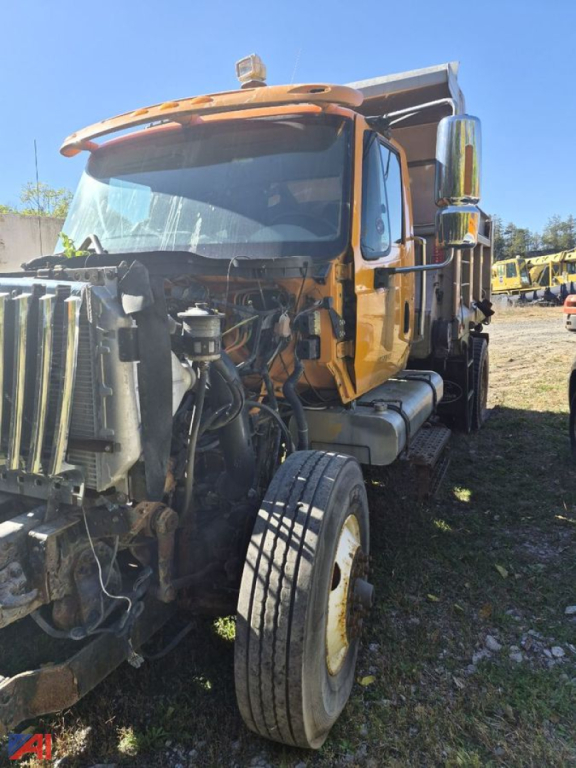
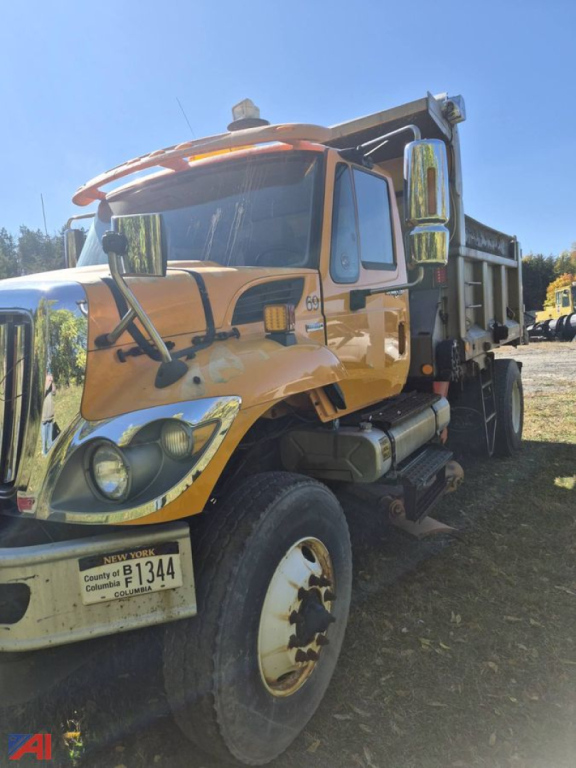
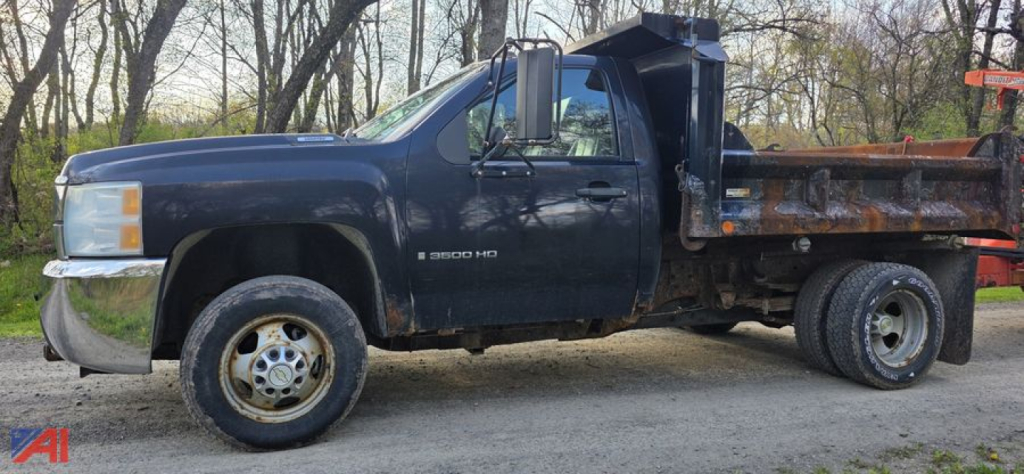
Selling a used 2008 dump truck? List your used 2008 dump truck for sale and reach thousands of commercial buyers.
Used 2008 Dump Trucks
On 2008 dump trucks, body and hoist condition matter as much as the chassis. Inspect the floor thickness, sidewall straightness, hinge points, crossmembers, and tailgate hardware. Check for corrosion around the body seams, understructure, and cab corners, especially on trucks that spent time in northern snow states or in municipal service. A scissor hoist or telescopic cylinder should raise smoothly, hold pressure, and return cleanly without leaks or twisting. PTO operation, hydraulic pump condition, control valve response, and reservoir cleanliness deserve close attention, because hydraulic issues can turn a low-priced dump truck into an expensive shop project.
Powertrain choices on 2008 used dump trucks vary widely by GVWR and application. Light and medium-duty units often show up with diesel V8s or gas engines paired to automatic transmissions, while larger vocational chassis may carry inline-six diesel engines from Cummins, Caterpillar, or similar platforms with Allison automatics or manual gearboxes. Look closely at rear axle ratio, suspension type, wheelbase, and brake setup. A shorter wheelbase improves maneuverability on residential jobsites and tight municipal routes, while a longer chassis may carry a larger body and offer better load distribution. If the truck has a plow, sander, central hydraulics, or auxiliary lighting, confirm that the front axle capacity, electrical system, and hydraulic plumbing match the intended year-round use.
For a 2008 dump truck buyer, service history is often the difference between a dependable vocational truck and a deferred-maintenance problem. Engine hours can matter just as much as odometer miles, especially on ex-municipal or snow fleet trucks that spent long periods idling. Frame condition, spring hangers, steering components, rust around brake lines, and tire wear patterns can reveal hard use or alignment issues. If the truck will run under CDL thresholds, local hauling laws, or seasonal routes, verify GVWR, registered weight, and body capacity before purchase. A well-matched used 2008 dump truck can still deliver solid value for short-haul material work, property maintenance, snow removal, and general construction support.
Frequently Asked Questions about Used 2008 Dump Trucks
What should I check first on a used 2008 dump truck?
Start with GVWR, axle ratings, body size, and hydraulic function. Those items tell you if the truck is correctly sized for the material you plan to haul and if the dump system is usable without immediate repair. After that, inspect the frame, hoist, PTO, transmission operation, brake condition, and rust at the cab, body mounts, and underbody. On older vocational trucks, structural condition and maintenance history usually matter more than paint or interior appearance.
Are 2008 dump trucks good for snow plow and salt spreader work?
Many 2008 dump trucks are well suited for snow and ice control if they have the right front axle capacity, hydraulic or electric spreader setup, and adequate charging system output. Trucks previously used in municipal fleets often already have plow frames, wing hardware, warning lights, and central hydraulics. The tradeoff is that snow-service trucks often see heavy corrosion from salt exposure, so buyers should inspect the frame rails, wiring, hydraulic lines, body supports, and cab mounts carefully before committing.
How do I choose between a light-duty and heavier 2008 dump truck?
Choose based on payload, jobsite access, and licensing requirements. A light-duty dump truck based on a pickup chassis is easier to maneuver, simpler to park, and often better for landscaping, small paving crews, and residential work. A medium-duty or heavy-duty dump truck usually offers higher legal payload, tougher suspension, larger body capacity, and better durability in aggregate or demolition service. The right choice depends on the weight of the material, the number of trips per day, and whether tight access or carrying capacity is the priority.
What are common problem areas on an older used dump truck?
Common issues include hydraulic leaks, worn hoist pins, rusted dump bodies, weak tailgate latches, frame corrosion, brake line deterioration, steering wear, suspension fatigue, and PTO problems. On diesel trucks, also watch for injector, turbocharger, emissions-related, or cooling system problems depending on engine family and prior maintenance. Uneven tire wear, body twist during dumping, and slow hoist response are warning signs that the truck may need more than routine service.
Do miles matter more than engine hours on a 2008 dump truck?
On dump trucks, engine hours are often just as important as miles because these trucks spend significant time idling, running PTO equipment, or working at low speed on jobsites. A truck with moderate miles but very high idle time can show more wear than a truck with higher road miles and lighter vocational use. The best evaluation looks at both readings together, then compares them to maintenance records, oil analysis if available, and the actual condition of the engine, transmission, hydraulics, and chassis.