
Used 2006 Dump Trucks For Sale in New York
Browse used 2006 dump trucks for sale in New York. Compare body size, GVWR, axle ratings, plow setup, hydraulics, and rust-sensitive components.
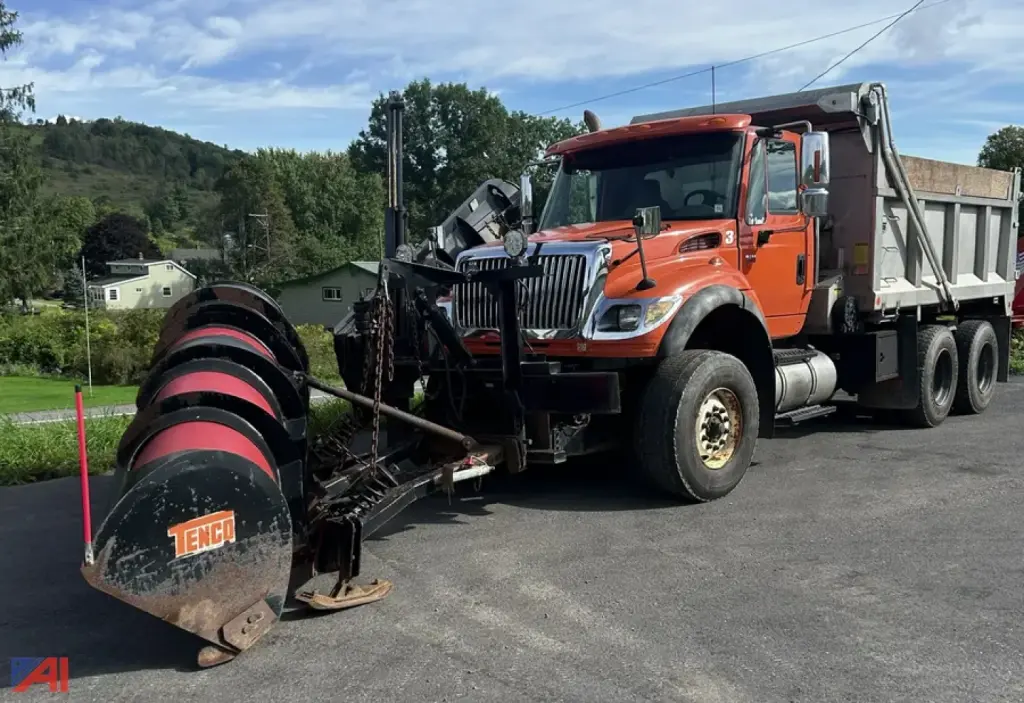
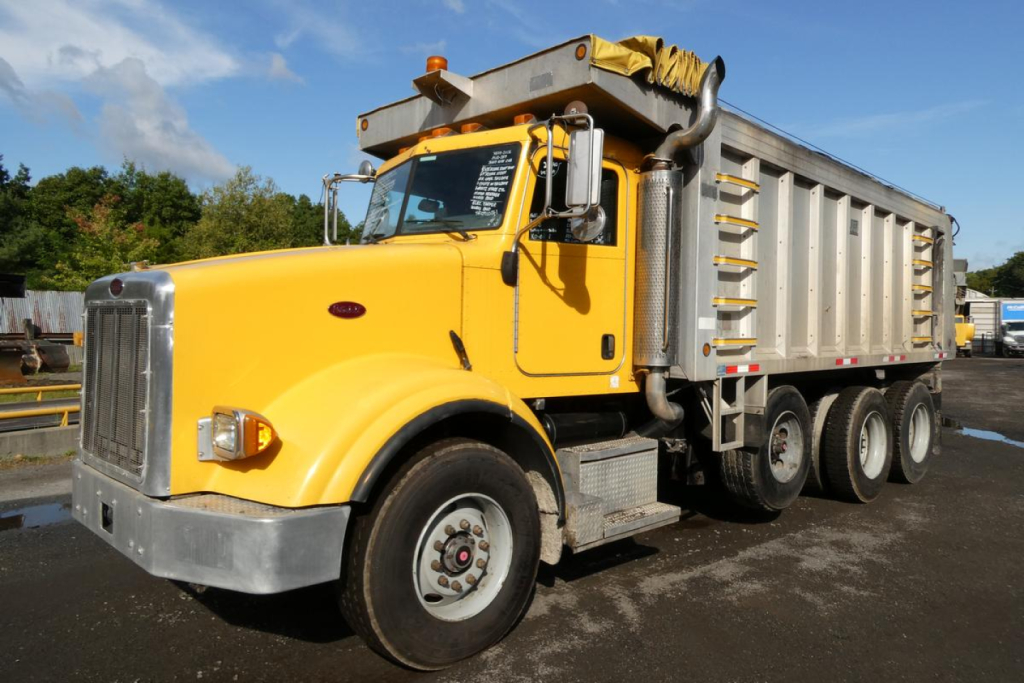

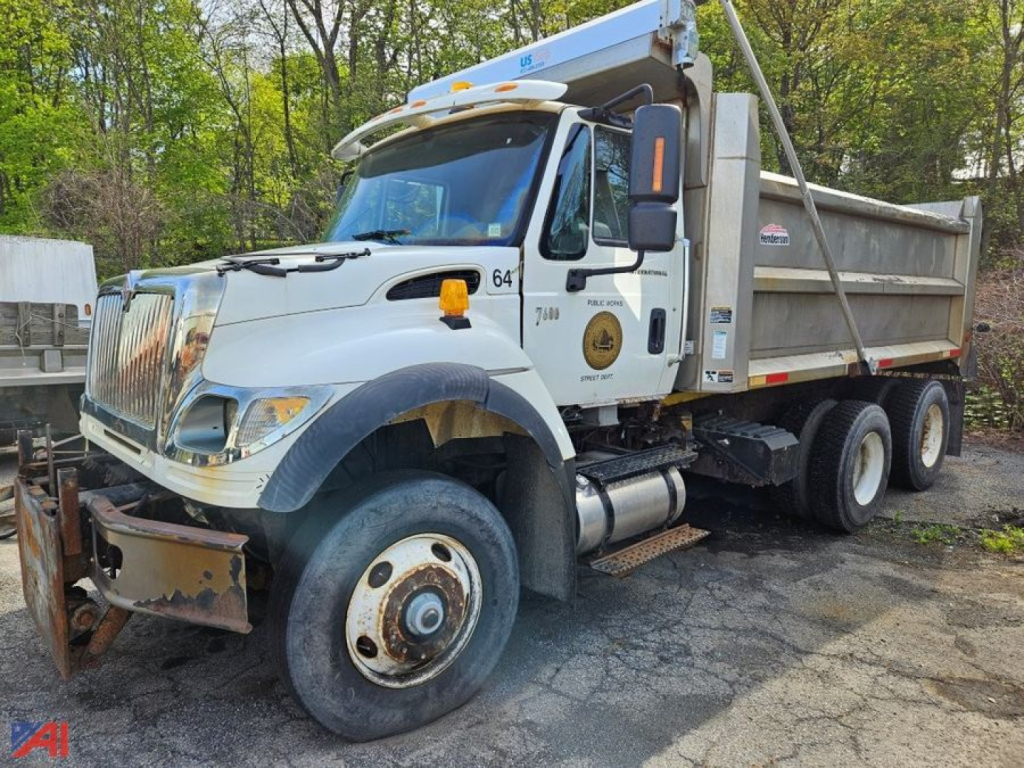
Looking for the easiest place to sell your used 2006 dump truck? List it here to reach thousands of buyers.
Used 2006 Dump Trucks in New York
The first decisions usually come down to size class and intended payload. A 2006 dump truck may range from a Class 5 or 6 chassis with a 9 to 12 foot steel body up to heavier tandem or single-axle vocational trucks with larger bodies, higher sidewalls, and stronger hoists. Buyers should look closely at GVWR, front axle rating, rear axle rating, suspension type, wheelbase, and cab-to-axle dimension because those numbers determine body fit, legal payload, and maneuverability on tighter New York job sites. Steel bodies are common and take abuse well, while aluminum bodies help reduce tare weight for material hauling. Hoist design also matters. A well-maintained telescopic cylinder or underbody hoist should raise smoothly, hold pressure, and show no signs of drift or fluid leaks.
On a 2006 model, condition is usually defined by vocational wear points more than by age alone. Check the frame rails, crossmembers, spring hangers, cab mounts, floors, and dump body sills for rust, scaling, and past repairs, especially on trucks that have seen winter road salt. Inspect the tailgate pins, hinge points, trunnions, PTO engagement, hydraulic pump response, and control valve operation. If the truck has been used for plow service, examine the front frame extension, plow gear attachment points, electrical harnesses, and signs of stress around the front suspension and steering components. Brake type matters too. Depending on the chassis, a 2006 dump truck may have hydraulic brakes or full air brakes, and that affects service requirements, licensing considerations, and parts planning.
Powertrains from this era are often straightforward and serviceable, with diesel engines paired to manual transmissions, Allison automatics, or other vocational gearboxes chosen for low-speed work. Many buyers still prefer 2006 dump trucks because emissions systems were generally less complex than later generations, which can simplify maintenance for local fleets and owner-operators. For municipal, landscape, excavation, paving, and site material work, the right truck is the one with the correct axle capacity, clean hydraulic operation, a solid body and hoist, and evidence of disciplined maintenance. A careful review of rust exposure, PTO function, and body integrity will usually tell you more about a used 2006 dump truck than the odometer alone.
Frequently Asked Questions about Used 2006 Dump Trucks in New York
What should I inspect first on a used 2006 dump truck in New York?
Start with corrosion-prone structural areas. Frame rails, crossmembers, cab mounts, spring hangers, dump body floors, body sills, tailgate hardware, and hydraulic mounting points deserve close inspection because New York winter service can accelerate rust and fatigue. After that, test PTO engagement, hoist operation, tailgate function, brake response, and steering play. A truck that starts and runs well can still need expensive body, frame, or hydraulic work.
Are 2006 dump trucks a good choice for snow plow and municipal work?
They can be, especially if the truck was originally spec'd with front plow gear, central hydraulics, and adequate front axle capacity. Many 2006 vocational trucks were built for combined dump and winter service, which is valuable in New York. The key is to confirm that the plow mount, hydraulic circuits, electrical controls, charging system, and front suspension have not been overstressed by repeated winter use. A solid dual-purpose truck can be productive, but a worn municipal unit may need substantial front-end and rust repair.
What body and chassis specs matter most on a 2006 dump truck?
GVWR, axle ratings, wheelbase, cab-to-axle measurement, body length, side height, and hoist type are the main numbers that affect how the truck will perform. These specs determine legal payload, turning radius, body capacity, and compatibility with your job mix. Buyers hauling dense material such as stone or millings should focus on axle capacity and body strength, while buyers handling mulch, brush, or snow-related materials may prioritize body volume, maneuverability, and accessory hydraulics.
Is a 2006 dump truck easier to maintain than a newer one?
In many cases, yes. A 2006 model often has a simpler emissions package than later diesel trucks, and that can reduce diagnostic complexity and downtime. Parts availability for common vocational chassis is still generally good, but maintenance condition matters more than model year alone. A well-kept older dump truck with documented service, dry hydraulics, and a sound frame is usually a better value than a newer truck with body rot, weak hoist performance, or neglected brake and suspension work.