
Used 2001 Dump Trucks For Sale

Have used 2001 dump truck to sell? List it here to reach thousands of buyers.
Used 2001 Dump Trucks
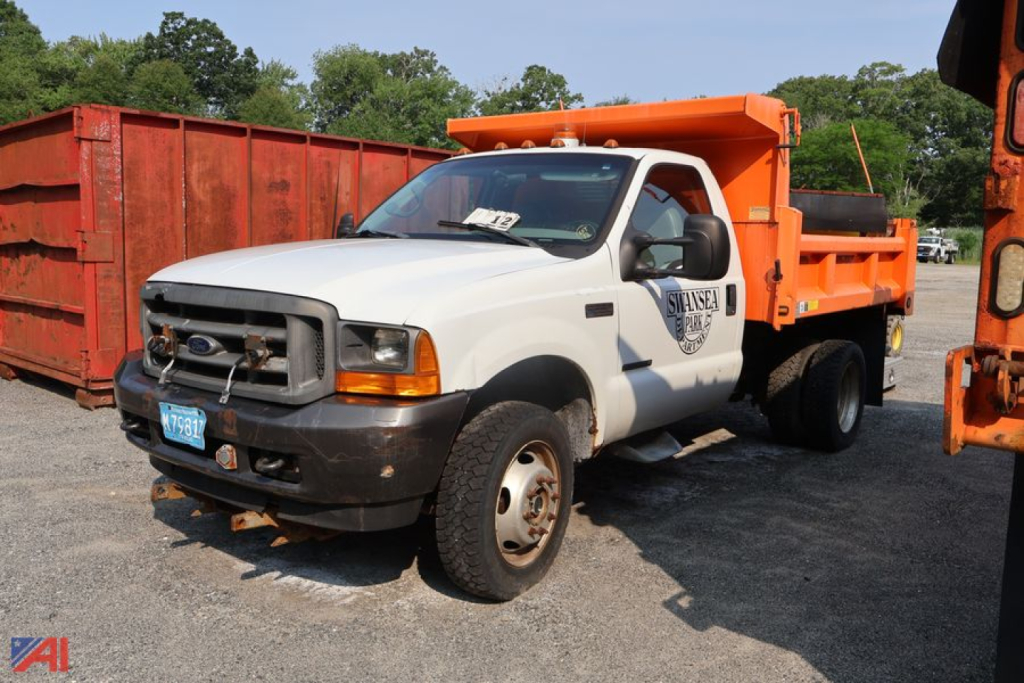
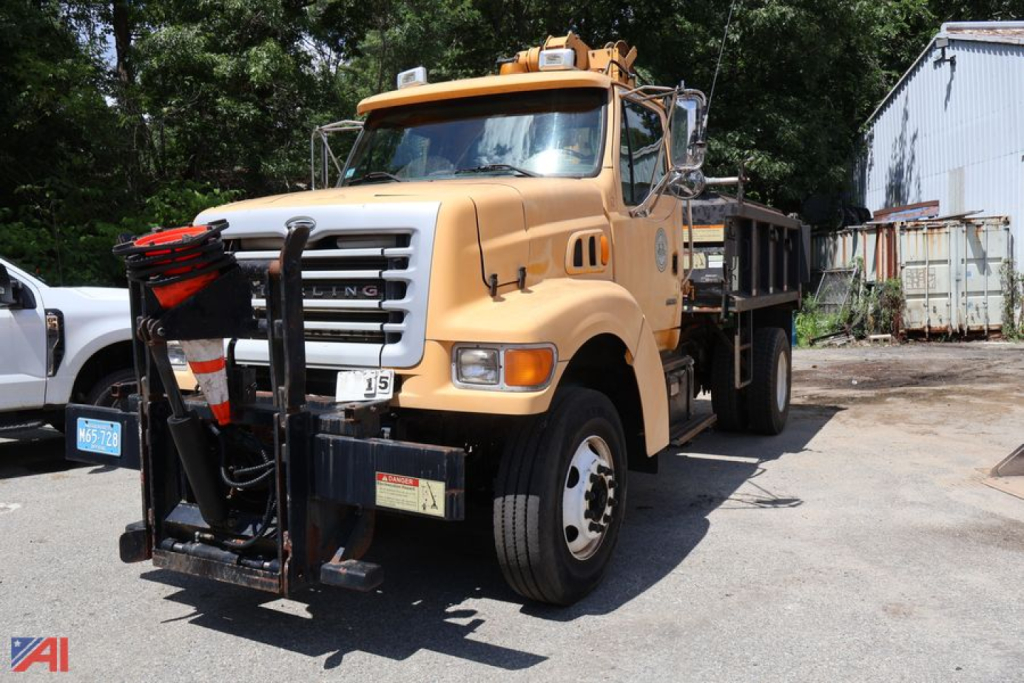
Most 2001 dump trucks on the market are straight trucks with steel dump bodies, commonly in the 10-foot to 16-foot range depending on axle configuration and intended payload. Typical specs include single-axle and tandem-axle layouts, diesel engines from Cummins, Caterpillar, Detroit, International, or Mack, and manual or Allison automatic transmissions. Many units from this era were ordered with spring suspension, heavy front axles, locking rears, and vocational gearing for low-speed jobsite work. If the truck has a plow mount, central hydraulics, wet kit, sander, or wing setup, confirm that the hydraulic pump, valves, cylinders, and controls all function under load. Municipal and snow-service trucks can offer useful options, but corrosion around the body, cab mounts, spreader system, and wiring needs close inspection.
A serious buyer should pay attention to GVWR, axle ratings, wheelbase, cab-to-axle, and body style before comparing price. Those numbers determine payload potential and how well the truck fits a specific route or jobsite. An older tandem may offer better legal payload capacity, while a single-axle truck can be easier to maneuver and cheaper to maintain. Engine emissions systems are generally simpler on 2001 trucks than on later models, which appeals to many owner-operators and small fleets, but age-related issues can show up in cooling systems, injectors, brake components, electrical connections, and hydraulic seals. Service records, engine hours, and evidence of liner, clutch, suspension, or brake work can tell you more than odometer mileage alone.
The best used 2001 dump trucks are the ones that match the material being hauled and the operating environment. Dirt, gravel, millings, salt, scrap, and landscape material all place different demands on body construction and hoist geometry. Look for signs of past overloading such as cracked frame liners, bowed body sides, damaged tailgate hardware, or uneven tire wear. If the truck will see off-road or mixed on-road work, traction specs, ground clearance, and brake condition are especially important. A well-kept 2001 dump truck can still deliver solid value for seasonal work, farm use, municipal support, and local construction hauling when the mechanicals and hydraulics are right.
Frequently Asked Questions about Used 2001 Dump Trucks
What should I inspect first on a used 2001 dump truck?
Start with the frame, dump body, and hydraulic system. Check for rust-through, welded frame repairs, cracked crossmembers, worn hinge points, leaking cylinders, and slow or uneven hoist operation. After that, review axle ratings, suspension condition, brake wear, and engine service history. On a truck this age, structural condition and vocational system performance are usually more important than appearance.
Are 2001 dump trucks easier to maintain than newer dump trucks?
In many cases, yes. A 2001 dump truck typically has a simpler emissions profile than later-model trucks, which can reduce diagnostic complexity and parts cost. That said, age brings its own maintenance concerns, including wiring deterioration, hydraulic hose wear, cooling system issues, and rust-related repairs. Simpler does not always mean cheaper if the truck has been neglected.
Is a single-axle or tandem-axle 2001 dump truck better?
It depends on payload, maneuverability, and route conditions. A single-axle dump truck is often easier to operate in tight spaces and can be less expensive to maintain, making it a good fit for landscape supply, local contracting, and lighter material hauling. A tandem-axle dump truck generally offers higher legal payload capacity and better stability under heavier loads, which makes it more suitable for aggregate, demolition, and larger construction jobs.
What body and hoist features matter most on an older dump truck?
Body floor condition, sidewall straightness, tailgate operation, and hoist design are key. Buyers should confirm whether the truck uses a telescopic or scissor hoist and make sure the lift is smooth, quiet, and leak-free. Scuffing, rusted body seams, bent top rails, and signs of material packing around hinges can indicate hard use. If the truck has a tarp system, plow hydraulics, or spreader controls, those systems should also be tested.
How important are wheelbase and cab-to-axle measurements on a 2001 dump truck?
They are very important because they affect body length, weight distribution, turning radius, and how the truck fits your operation. Cab-to-axle measurement helps determine whether the current body is properly matched to the chassis and whether future body replacement options are realistic. Wheelbase also influences bridge law compliance, maneuverability, and load balance across the front and rear axles.