
Used 2000 Dump Trucks For Sale
Browse used 2000 dump trucks for sale. Compare chassis, body size, axle setup, PTO hydraulics, hoist condition, and vocational specs.
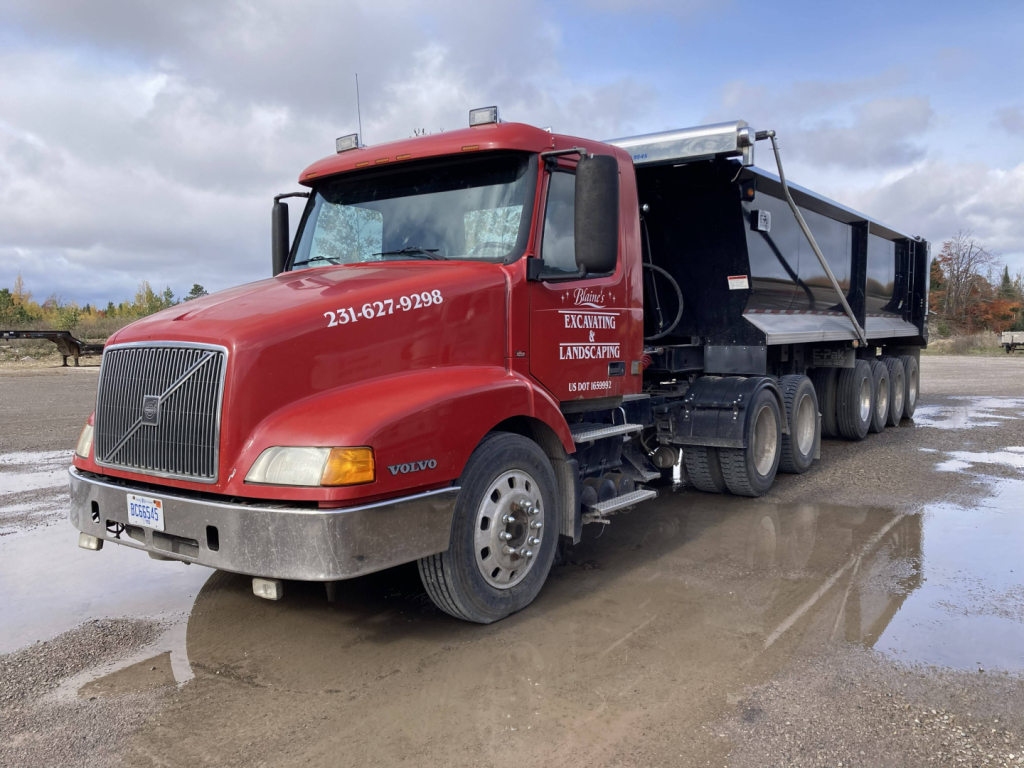
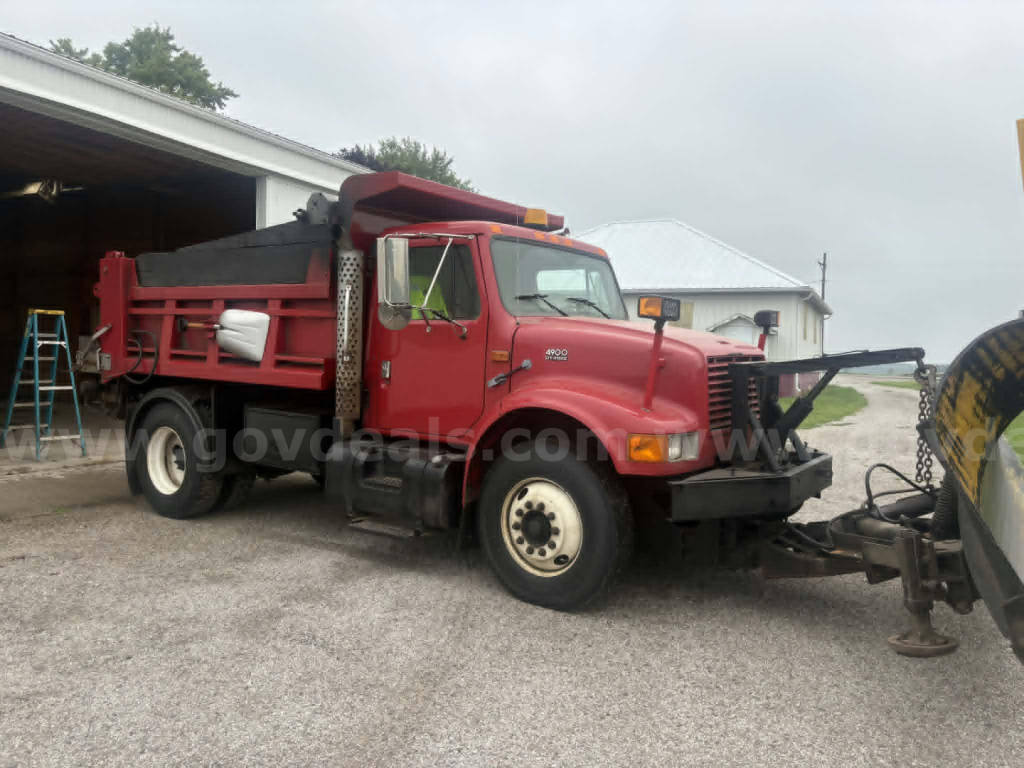
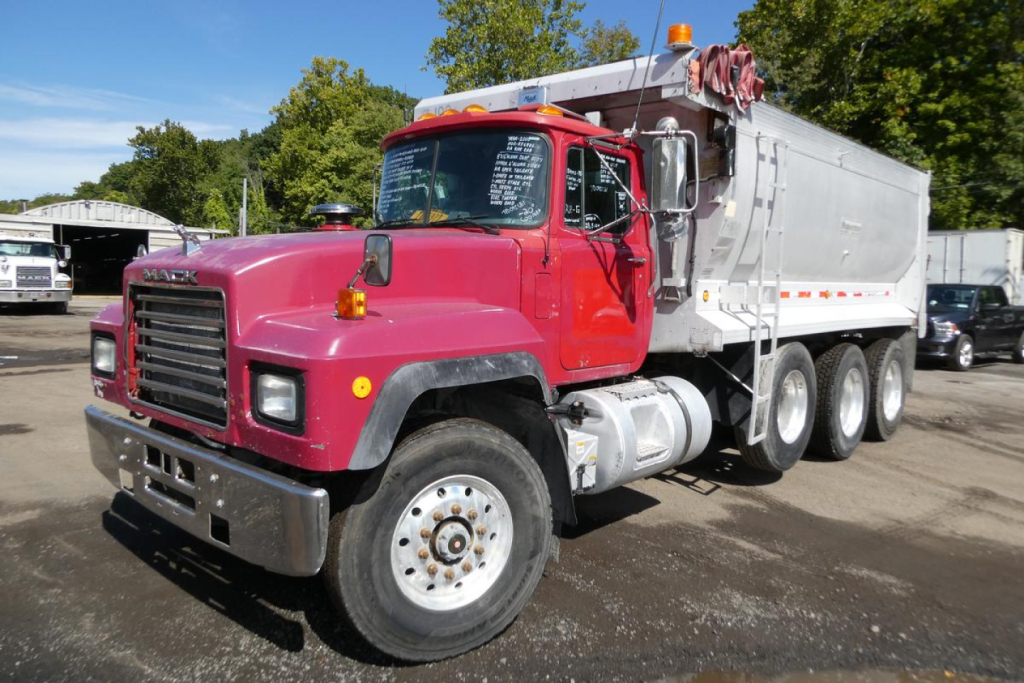
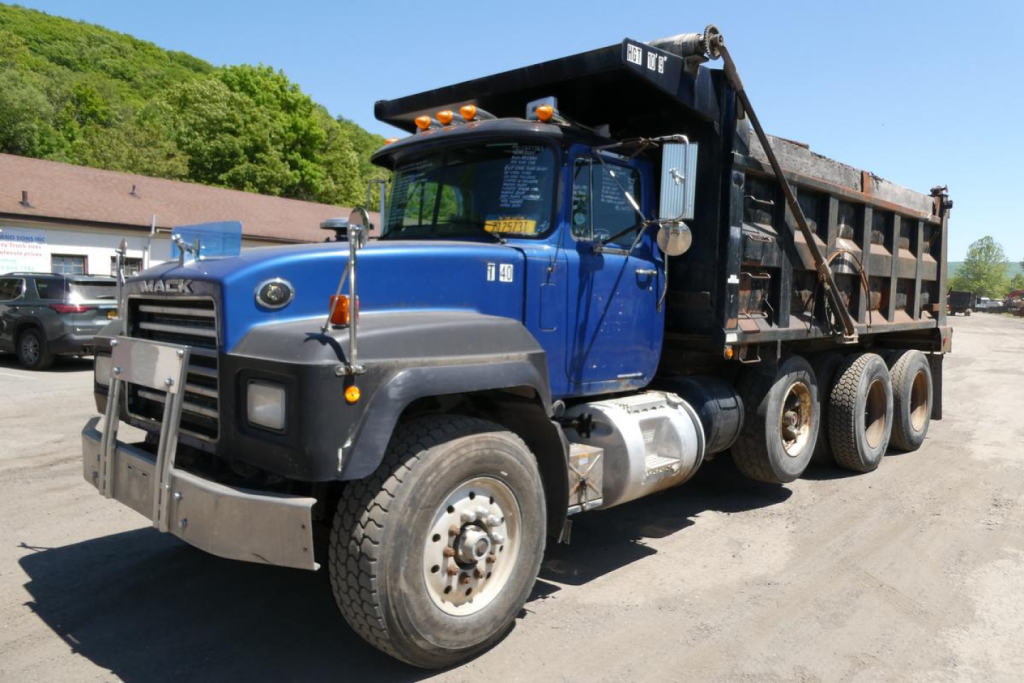
Selling a used 2000 dump truck? List your used 2000 dump truck for sale and reach thousands of commercial buyers.
Used 2000 Dump Trucks
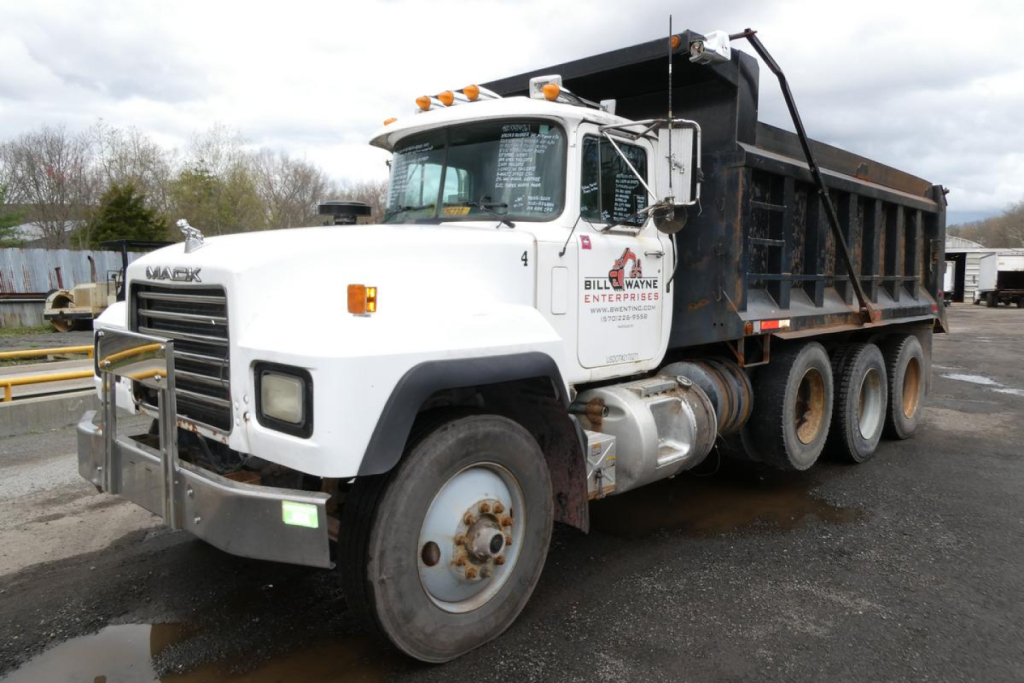
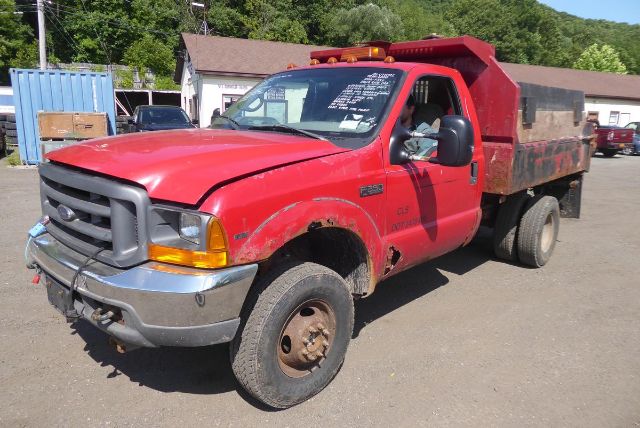
The first buying decision is usually chassis class and axle layout. A single-axle dump truck is easier to maneuver on tighter jobs and often works well for local aggregate, asphalt patch crews, and property maintenance. A tandem-axle dump truck typically brings higher GVWR, better payload potential, and more stability for heavier material. Buyers should confirm axle ratings, suspension type, wheelbase, and how the body length matches the intended application. Common body sizes in this segment range from shorter contractor bodies around 10 to 12 feet up to longer municipal or aggregate bodies, often with high-lift tailgates, removable sides, or spreader and plow prep. If the truck will pull a trailer, check hitch type, brake controller setup, and transmission gearing.
On an older dump truck, the body and hydraulic system deserve as much attention as the engine. Look closely at floor thickness, side wall condition, crossmembers, hinge points, hoist pins, hydraulic cylinder seepage, pump operation, and PTO engagement. Rust around the body rails, cab mounts, and frame kick-up can turn a low-price truck into an expensive project. It is also smart to inspect tarp systems, tailgate latches, scissor hoists or telescopic cylinders, and any signs of frame plating or hard vocational fatigue. Brake condition, steering play, spring or air suspension wear, and driveline slack are all important on trucks that have spent years on rough job sites. If the truck includes snow equipment, central hydraulics, an under-tailgate spreader, or a front plow mount, verify that those systems operate correctly and that replacement parts are still obtainable.
A well-chosen 2000 dump truck can still be a productive local work truck when the specs match the route, payload, and material type. Buyers should balance purchase price against expected repairs, downtime risk, and the cost of bringing an older truck up to current job requirements. The best values are usually trucks with a clear maintenance history, a solid frame, strong hoist performance, and a body that does not need immediate fabrication work. For many fleets and owner-operators, this category remains attractive because it offers proven vocational capability without the complexity and cost found in newer emissions-era equipment.
Frequently Asked Questions about Used 2000 Dump Trucks
What should I inspect first on a used 2000 dump truck?
Start with the frame, dump body, and hydraulic system before focusing only on mileage or engine brand. Check for rust, cracked frame sections, body floor wear, weak crossmembers, leaking cylinders, sloppy hoist pins, and PTO engagement issues. A vocational truck can have a usable engine and transmission but still need major body and structural work, which is often where repair costs escalate quickly.
Are 2000 model year dump trucks good for heavy hauling?
They can be, but capacity depends on axle configuration, suspension, tire ratings, and local weight laws rather than model year alone. Tandem-axle trucks from this era are commonly used for aggregate, demolition debris, and paving support, while single-axle trucks are better suited to lighter payloads and tighter access jobs. Always verify the GVWR, rear axle ratings, body size, and how the truck is registered before assuming it will handle a specific payload.
Why do some buyers prefer older dump trucks built before newer emissions systems?
Many buyers like older dump trucks because they often have simpler diesel engines and fewer emissions-related components to diagnose and replace. That can make them easier to maintain in certain operations, especially for local or seasonal work. The tradeoff is age-related wear in the chassis, cab, wiring, hydraulics, and body, so a simpler engine does not automatically make the truck a better buy.
What body and hoist setups are common on used dump trucks from this era?
Steel dump bodies are the most common, typically paired with either an underbody scissor hoist or a front-mounted telescopic cylinder. Shorter contractor bodies are common on single-axle trucks, while tandems often carry longer bodies for aggregate or municipal use. Tailgate style, side height, liner condition, and hoist design all affect how well the truck handles asphalt, gravel, demolition material, topsoil, or snow operations.
Can a used 2000 dump truck still work in municipal or snow service?
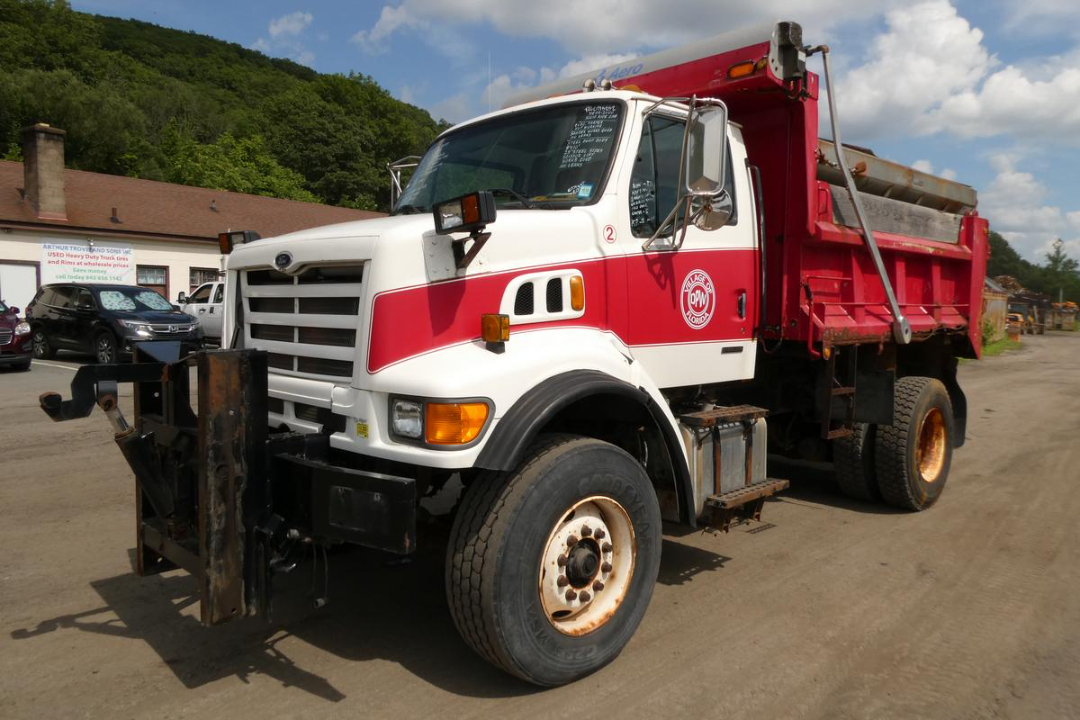
Yes, many trucks in this class are well suited for municipal duty if they have the right vocational equipment and are structurally sound. Front plow mounts, central hydraulics, under-tailgate spreaders, and sander controls are common on older municipal-spec units. Buyers should confirm that the hydraulic circuits, electrical controls, and mounting hardware are complete and functional, because missing snow and ice components can be costly to replace.