
Used 1999 Dump Trucks For Sale
Browse used 1999 dump trucks for sale. Compare GVWR, body size, hydraulics, axle ratings, brake type, and vocational upfit condition.

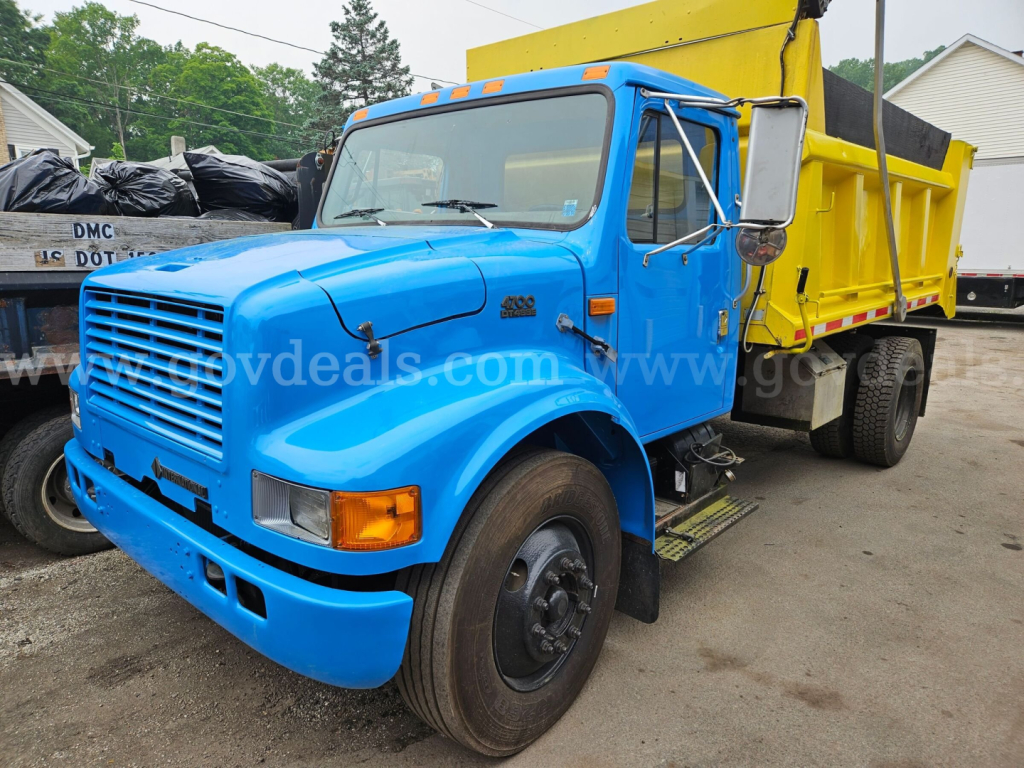
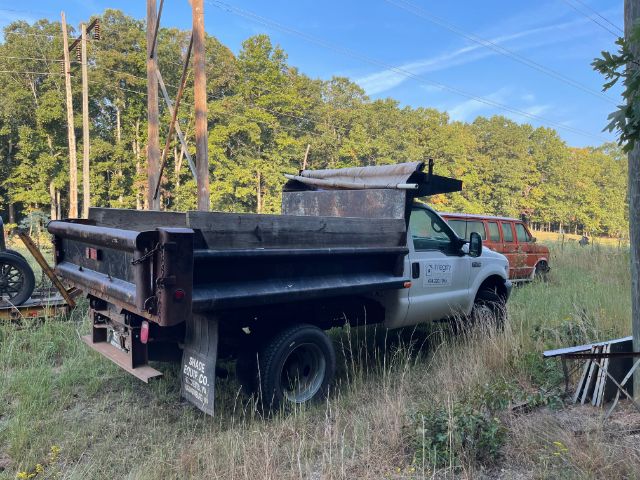

Have used 1999 dump truck to sell? List it here to reach thousands of buyers.
Used 1999 Dump Trucks
The most important buying decisions on a 1999 dump truck are usually GVWR, axle ratings, brake type, and body construction. Many 1999 models fall into the Class 6 to Class 8 range, with GVWRs that can vary widely depending on whether the truck is a lighter municipal unit or a heavier tandem-axle spec. Body dimensions often run around 8 to 15 feet, with side heights matched to material type. Steel bodies are common for demolition, rock, and asphalt because they take abuse better. Aluminum bodies save weight and can improve payload for mulch, grain, salt, or lighter aggregate. Buyers should also verify cylinder style, hoist condition, tailgate operation, PTO engagement, wetline plumbing, and whether the truck has a single frame, partial double frame, or full double frame.
On a truck this age, condition matters more than badge. Pay close attention to frame corrosion, crossmember integrity, floor and sidewall wear in the dump body, hinge and tailgate pin condition, and leaks at the hydraulic pump, lines, valve body, and telescopic cylinder. Brake system type is a major checkpoint because some older medium-duty dump trucks were built with hydraulic brakes while others used full air brakes. If the truck carries a front plow, underbody scraper, or sander, inspect the auxiliary hydraulics and front axle capacity to make sure the upfit matches the intended use. Engine hours, idle time, PTO hours, and maintenance records can be more revealing than odometer readings alone on vocational trucks.
For many buyers, a 1999 dump truck is less about highway miles and more about job match. A shorter wheelbase and cab-to-axle dimension can make the truck easier to maneuver on residential sites, tighter municipal routes, and landscape yards. A heavier rear axle ratio can help with low-speed pulling and launching under load, but it may limit road speed. Manual gearboxes from this period are common and durable, though driver availability may push some fleets toward automatics. If the truck will haul dense material, check legal payload against empty weight, suspension spec, tire size, and local bridge laws. If it will serve as a multi-season unit, confirm plow mounts, central hydraulics, and spreader compatibility before buying.
Frequently Asked Questions about Used 1999 Dump Trucks
What should I inspect first on a used 1999 dump truck?
Start with the frame, hoist, and brake system. Look for rust scale, frame repairs, cracked crossmembers, body floor wear, leaking hydraulic cylinders, weak PTO engagement, and tailgate issues. Then verify whether the truck has hydraulic or air brakes and confirm that all braking components function correctly. On a vocational truck of this age, structural condition and hydraulic health usually matter more than paint or cab cosmetics.
Are 1999 dump trucks good for commercial work?
They can be, but the best fit is typically local or seasonal vocational work rather than high-utilization fleet service. A well-kept 1999 dump truck can perform reliably in landscaping, snow and ice control, municipal maintenance, agriculture, and short-distance aggregate hauling. The right choice depends on axle ratings, body condition, and service history. Buyers using the truck daily under heavy loads should inspect it closely for frame fatigue, driveline wear, and hydraulic system condition.
Is a steel dump body better than an aluminum dump body on an older truck?
Steel is generally better for abrasive or high-impact materials such as gravel, demolition debris, broken concrete, and asphalt because it handles abuse well. Aluminum is lighter and helps preserve payload, which is useful for mulch, grain, salt, and lighter bulk material. On a 1999 truck, the better choice depends on the actual condition of the body. A solid steel body with minimal rot can be more valuable than a lighter body with floor damage, cracked welds, or severe corrosion.
What common drivetrain specs show up on 1999 dump trucks?
Many 1999 dump trucks were spec'd with diesel engines in medium-duty or vocational ratings, manual transmissions such as 5-speed, 6-speed, 7-speed, 9-speed, or 10-speed units, and spring suspension. Single-axle trucks are common in lighter dump applications, while heavier tandem-axle models were used for larger payloads. PTO-driven front pump or transmission-driven hydraulic setups are typical, and rear axle ratios were often selected for low-speed jobsite performance rather than fuel-efficient highway travel.
Why do hours and hydraulic condition matter so much on a dump truck?
Vocational trucks often spend long periods idling, running PTO equipment, or working at low speed, so odometer mileage does not tell the full story. Engine hours, PTO hours, and the condition of the pump, valves, hoses, and lift cylinder give a clearer picture of how the truck was used. A low-mile truck with neglected hydraulics can require immediate repairs, while a higher-mile truck with documented maintenance and a dry, responsive hoist system may be the better buy.