
Used 1990 Dump Trucks For Sale
Browse used 1990 dump trucks for sale. Compare axle ratings, body style, hoist setup, transmission, and PTO specs for jobsite hauling.
Learn more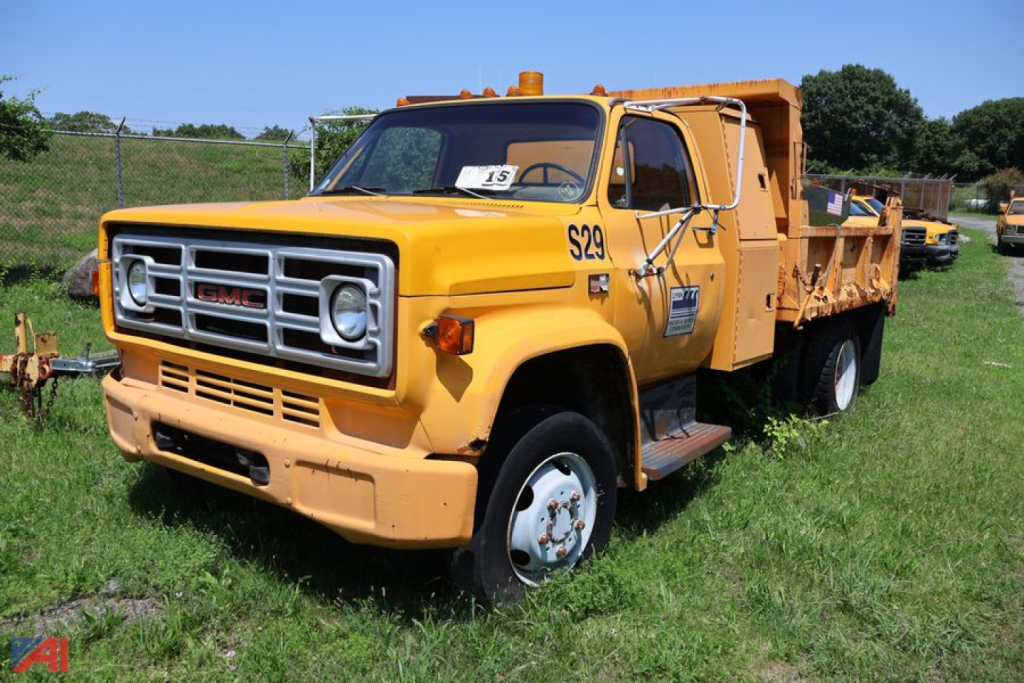
Have used 1990 dump truck to sell? List it here to reach thousands of buyers.
About Used 1990 Dump Trucks
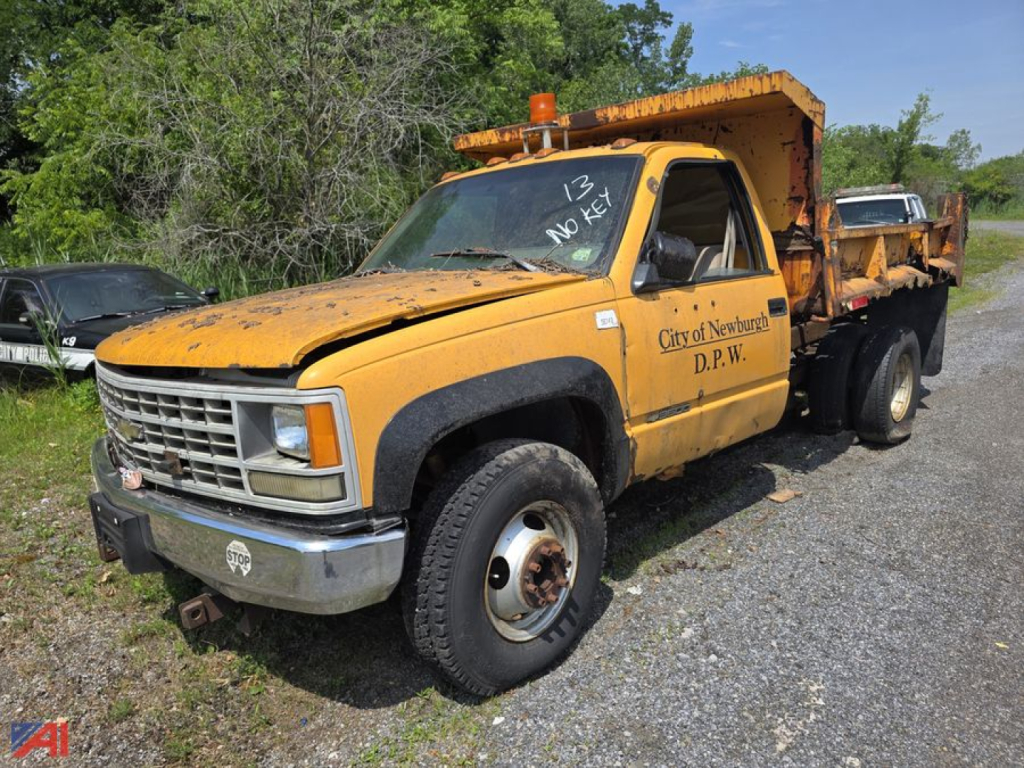
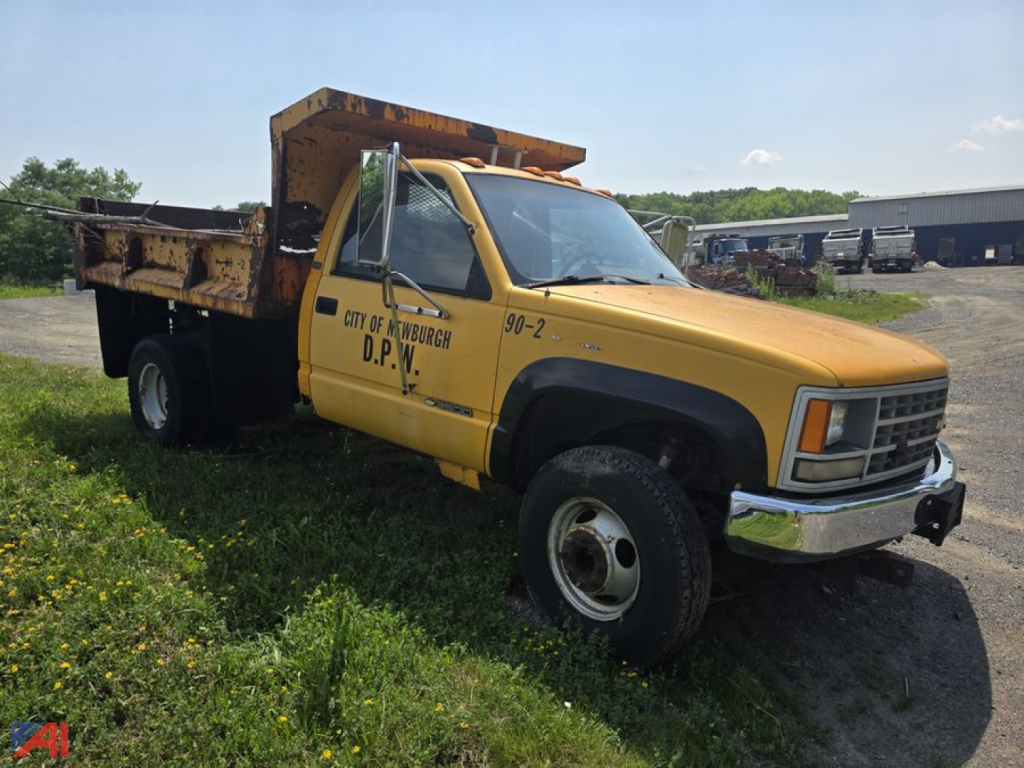
The first decision is usually configuration. A 1990 dump truck may be a single-axle unit for tighter urban routes and lighter payloads, or a tandem-axle truck for higher gross weight and off-road stability. Key specs to compare include GVWR, front and rear axle ratings, suspension type, wheelbase, body length, side height, and hoist design. Buyers should also confirm whether the truck has a steel or aluminum dump body, a barn door or high-lift tailgate, and a tarp system if material containment matters. PTO operation, hydraulic pump condition, cylinder seals, frame condition, and body floor wear are especially important on an older dump truck because these items directly affect uptime and safety.
Powertrain choice matters more on a 1990 model than cosmetic condition. Many trucks from this period were spec'd with proven diesel engines and manual transmissions, often 5-speed, 6-speed, 8LL, or 9-speed setups, though some automatic vocational specs exist. A buyer should pay close attention to cold-start behavior, blow-by, clutch feel, transmission engagement, rear ratio, and evidence of differential or suspension work. Spring suspension is common on older dump trucks because it handles uneven jobsite terrain well, but ride quality is harsher than newer air ride vocational setups. Brake type, steering play, rust at cab mounts and crossmembers, and signs of previous frame repairs all deserve a close inspection.
For buyers comparing used dump trucks for sale, a 1990 model often makes sense for seasonal work, farm use, local material delivery, or as a backup truck in a small fleet. Registration rules, emissions exemptions, and CDL requirements vary by state, so legal operating weight and local compliance should be checked before purchase. The best units in this age range usually show consistent municipal or contractor maintenance, a solid subframe, clean hydraulic function, and a body that has not been patched repeatedly around the hinge area or hoist mounts. A well-kept 1990 dump truck can still earn on short-haul, low-mileage work, but condition and prior use matter far more than the badge on the hood.
Frequently Asked Questions
What should I inspect first on a used 1990 dump truck?
Start with the frame, hoist, hydraulic system, and dump body. Look for cracked welds, corrosion around crossmembers, soft spots in the body floor, leaking hydraulic lines, and excessive play at the hinge points. After that, inspect the engine for blow-by, fluid leaks, and cold-start performance, then check transmission operation, PTO engagement, brakes, steering, and suspension. On a truck this age, structural condition usually matters more than paint or interior wear.
Is a 1990 dump truck better as a single axle or tandem axle?
That depends on the work. A single-axle dump truck is easier to maneuver, lighter, and often a better fit for landscaping, municipal work, and tighter delivery routes. A tandem-axle dump truck carries more payload and is typically better for aggregate, demolition, and heavier construction hauling. The right choice comes down to legal bridge limits, site access, material type, and expected payload per trip.
Are older 1990 dump trucks expensive to maintain?
Maintenance cost depends heavily on prior care and parts availability for the specific make, engine, and transmission. Many 1990 trucks are mechanically simpler than newer models, which can reduce diagnostic complexity, but age-related issues like rust, wiring repairs, hydraulic leaks, brake system wear, and obsolete components can add cost quickly. A pre-purchase inspection is important because a low purchase price can be offset by major frame, engine, or hoist repairs.
What body and tailgate features matter most on an older dump truck?
Body construction and gate style directly affect how the truck handles material. Steel bodies usually hold up better in demolition, rock, and asphalt service, while lighter-duty applications may not need that extra weight. Check side height, body length, liner condition, and wear around the hoist mount and rear hinge. For tailgates, confirm whether the truck has a swing gate, combination gate, or high-lift gate, and make sure it opens, latches, and seals properly for the material you plan to haul.
Can a used 1990 dump truck still work in a commercial fleet?
Yes, but usually in a more specialized or limited role. Many older dump trucks are best suited for local hauling, seasonal work, farm applications, backup service, or dedicated jobs where annual mileage is modest. Before putting one into regular fleet use, verify DOT compliance, local registration requirements, brake and lighting condition, and any state rules on emissions or exemptions for older diesel trucks. The truck needs to fit both the workload and the regulatory environment.