
Dump Trucks For Sale in South Carolina
Browse dump trucks for sale in South Carolina, including single-axle and tandem models for hauling dirt, asphalt, gravel, debris, and site materials.
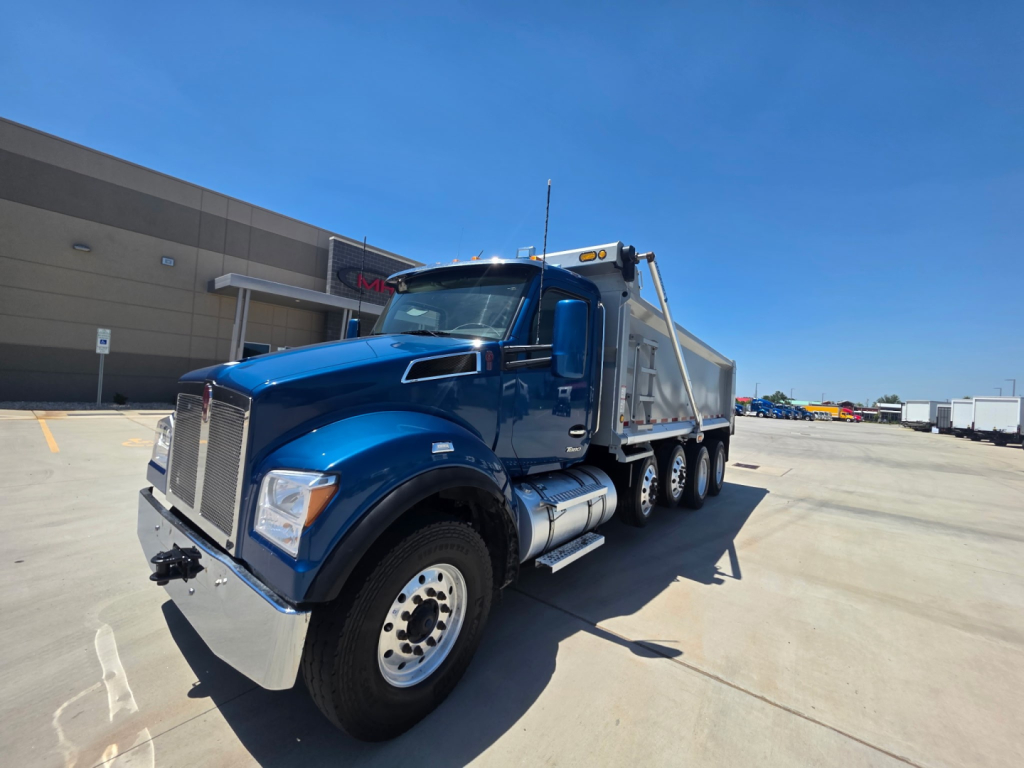
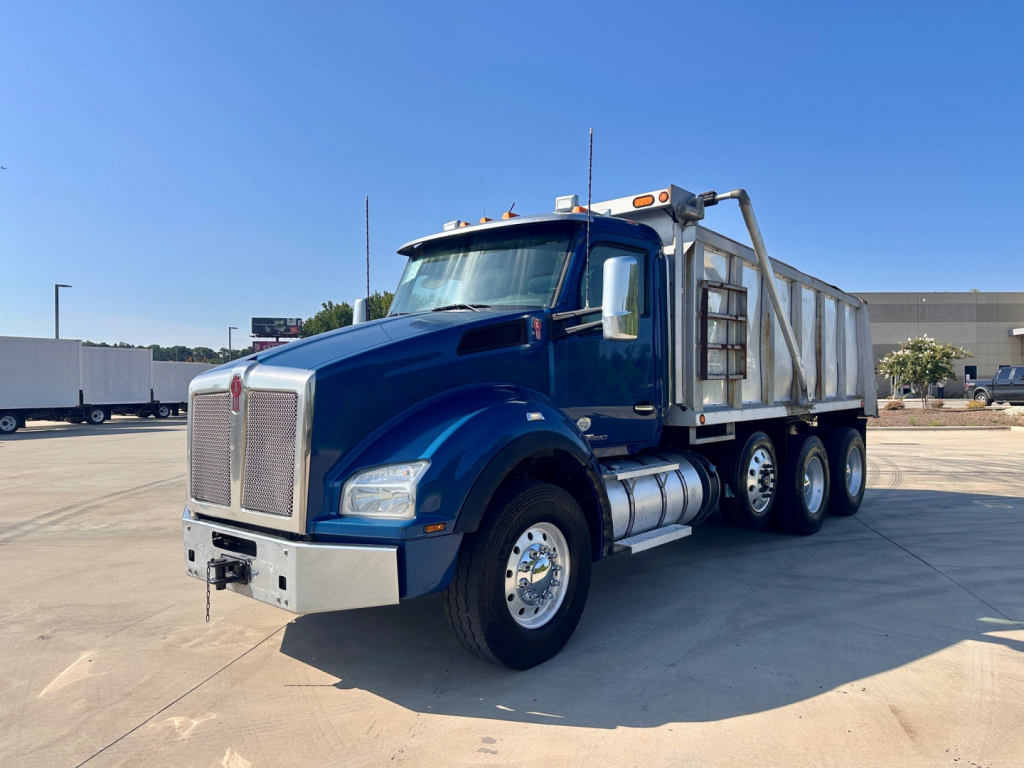
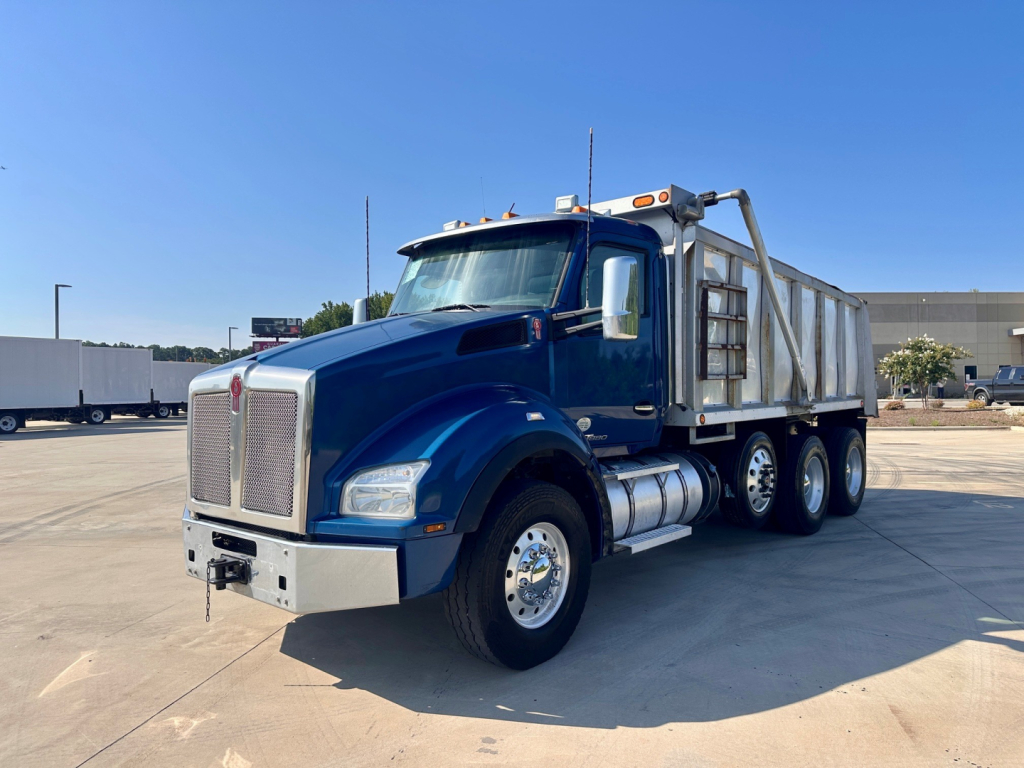
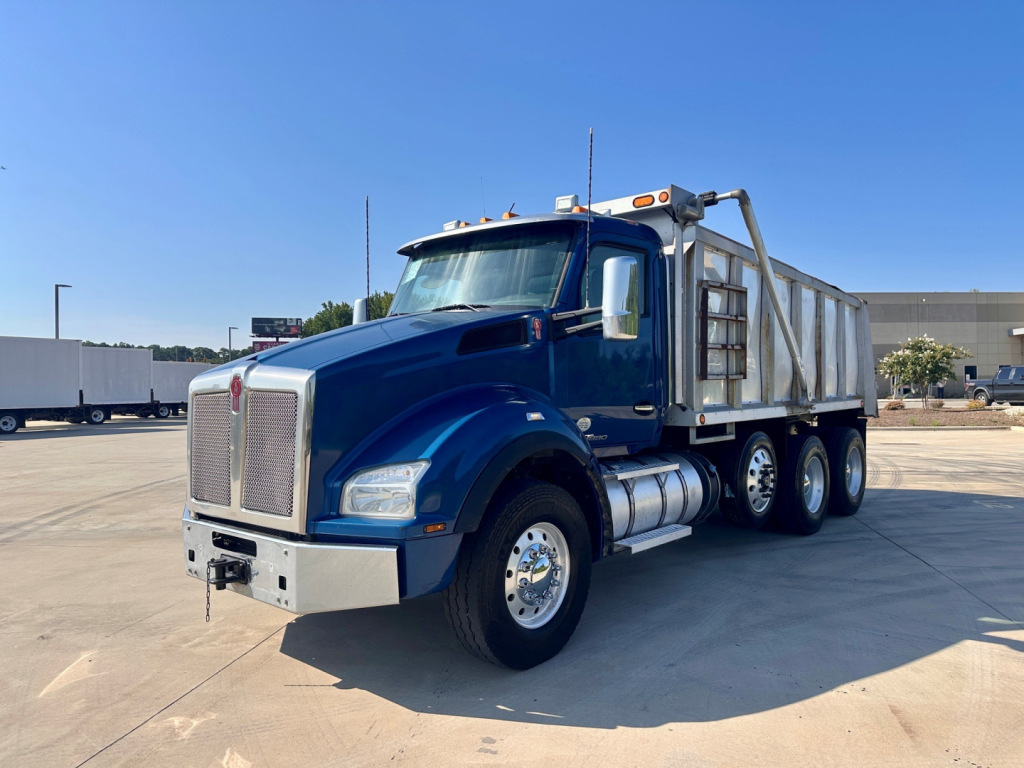
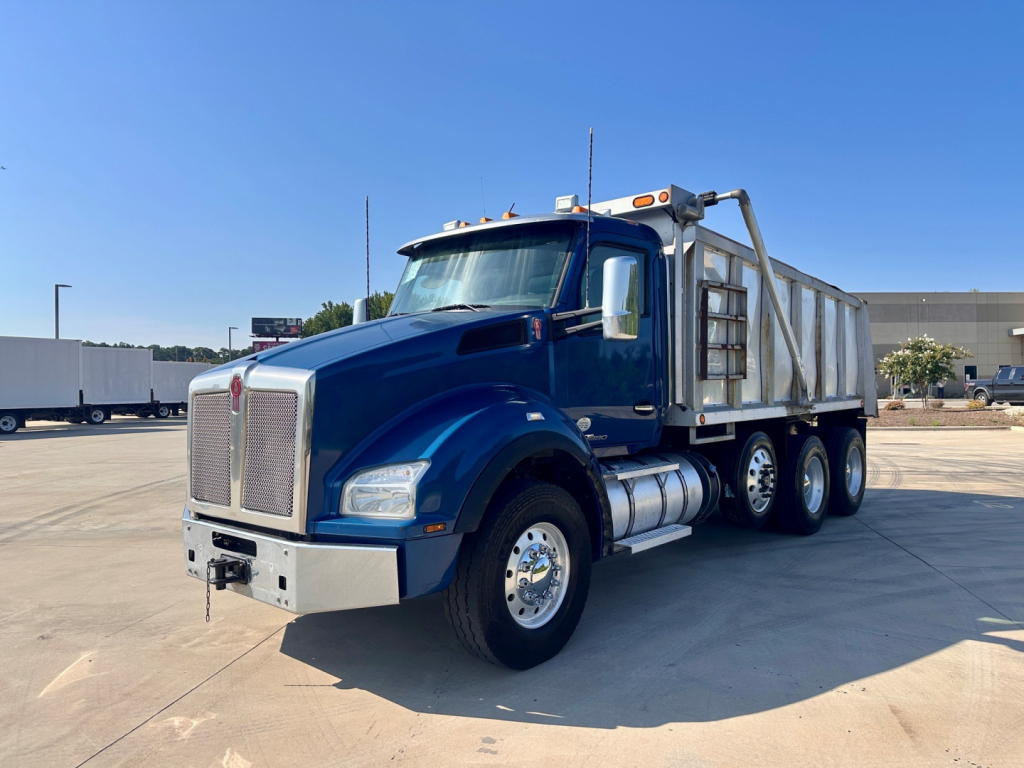
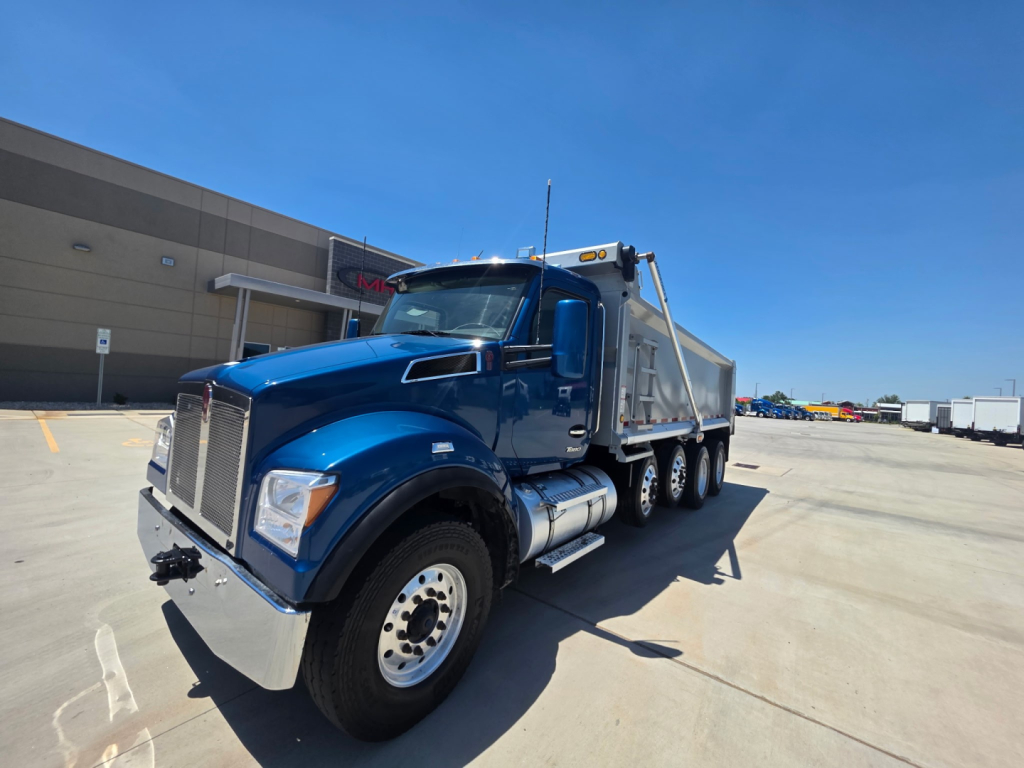
Have dump truck to sell? List it here to reach thousands of buyers.
Dump Trucks in South Carolina
A close look at the dump body matters as much as the chassis. Common body lengths range from around 10 to 16 feet, with steel bodies favored for abrasive material and harder use. Side height, tailgate style, hoist type, and floor condition all affect how well the truck handles its intended work. Contractors hauling mulch or brush may want higher removable sides, while crews hauling stone or broken concrete usually prioritize body integrity, crossmember condition, and clean hydraulic operation. Electric or manual tarp systems are a practical consideration in states and municipalities that require load covering. PTO-driven hydraulic systems, cylinder performance, and signs of leakage around the hoist, pump, and valves should always be part of the inspection.
Engine, transmission, and brake configuration can change the truck's operating cost more than many buyers expect. Medium-duty dump trucks often show up with diesel engines from Caterpillar, Cummins, or DT-series International platforms paired with Allison automatic transmissions, especially in municipal and contractor service. Hydraulic brake trucks in lower GVWR classes can be attractive for local work and simpler driver qualification needs, while air brake setups are more common as truck size and payload increase. Check spring packs, frame condition, steering components, tire size, and suspension wear closely because dump service is hard on chassis parts. If the truck will spend time off road or on soft subgrade, rear axle ratio, traction options, and tire spec deserve extra attention.
Used dump trucks can vary widely based on prior application, even when the model years look similar. A municipal fleet truck may have lower annual miles but extensive idle time and PTO usage, while a contractor-owned unit may show heavier body wear from aggregate or demolition debris. Service records, frame rust, cab corrosion, hoist pins, hinge points, and tailgate fitment tell a more useful story than odometer reading alone. For South Carolina buyers, it also helps to think about coastal humidity, seasonal storm cleanup demand, and the need to balance legal payload with maneuverability in urban, suburban, and rural routes. The right dump truck is the one sized correctly for the material, route, and duty cycle you expect every day.
Frequently Asked Questions about Dump Trucks in South Carolina
What size dump truck is best for local construction and landscape hauling?
For many local hauling jobs, a single-axle dump truck is the practical starting point because it offers better maneuverability, lower empty weight, and easier access to tighter jobsites. These trucks are commonly used for dirt, mulch, gravel, and small demolition loads. If the work involves heavier aggregate, paving material, or higher daily volume, a tandem-axle dump truck usually provides better legal payload capacity and durability for repeated heavy cycles.
Can a dump truck be non-CDL?
Yes, some dump trucks are configured to stay under the 26,001-pound GVWR threshold, which can make them suitable for non-CDL operation depending on local rules, endorsements, and how the truck is equipped. Many medium-duty single-axle dump trucks fall into this range. Buyers should verify the GVWR on the door tag, consider trailer use, and confirm driver licensing requirements before purchase because actual compliance depends on the complete operating combination, not just the truck body style.
What should I inspect first on a used dump truck?
Start with the dump body, hoist, frame, and PTO hydraulic system because those components define the truck's working value. Look for floor patches, body rot, cracked crossmembers, leaking cylinders, worn hinge points, and tailgate alignment issues. After that, inspect suspension, brakes, steering, tires, and frame rail condition, especially around high-stress mounting points. A truck can run and drive well but still need expensive body or hydraulic repairs that affect uptime.
Are steel or aluminum dump bodies better?
Steel dump bodies are generally preferred for severe-duty work such as hauling rock, asphalt, broken concrete, and demolition debris because they handle impact and abrasion better. Aluminum bodies reduce weight and can improve payload in some applications, but they are more common where corrosion resistance and lighter material handling matter more than impact strength. The right choice depends on the material being hauled and how rough the loading environment is.
Why does brake type matter on a dump truck?
Brake type affects maintenance, driver qualification, and how the truck fits the job. Hydraulic brakes are often found on lighter medium-duty dump trucks and can be a good fit for local routes and lower GVWR applications. Air brakes are more common on heavier dump trucks because they are better suited to higher gross weights and repeated heavy stopping cycles. Buyers should match brake type to truck size, route conditions, and service expectations rather than treating it as a minor spec.