
New Dump Trucks For Sale in Montana
New dump trucks for sale in Montana, including heavy-duty and medium-duty specs for gravel, asphalt, excavation, municipal, and construction work.
Learn more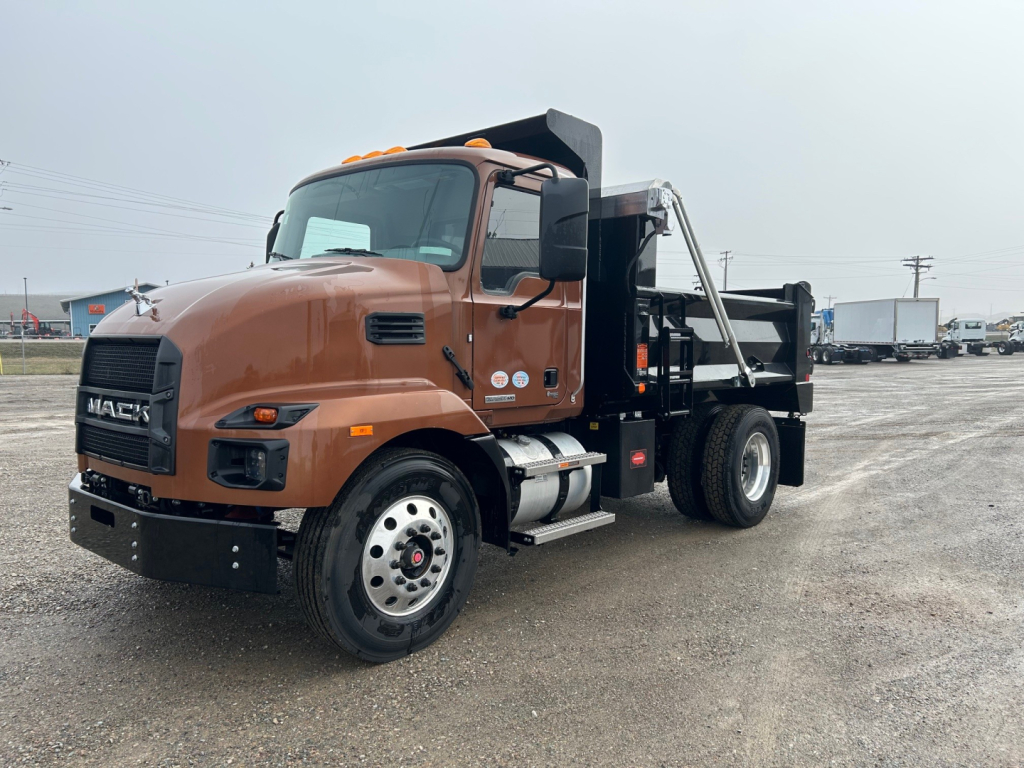
Have new dump truck to sell? List it here to reach thousands of buyers.
About New Dump Trucks in Montana
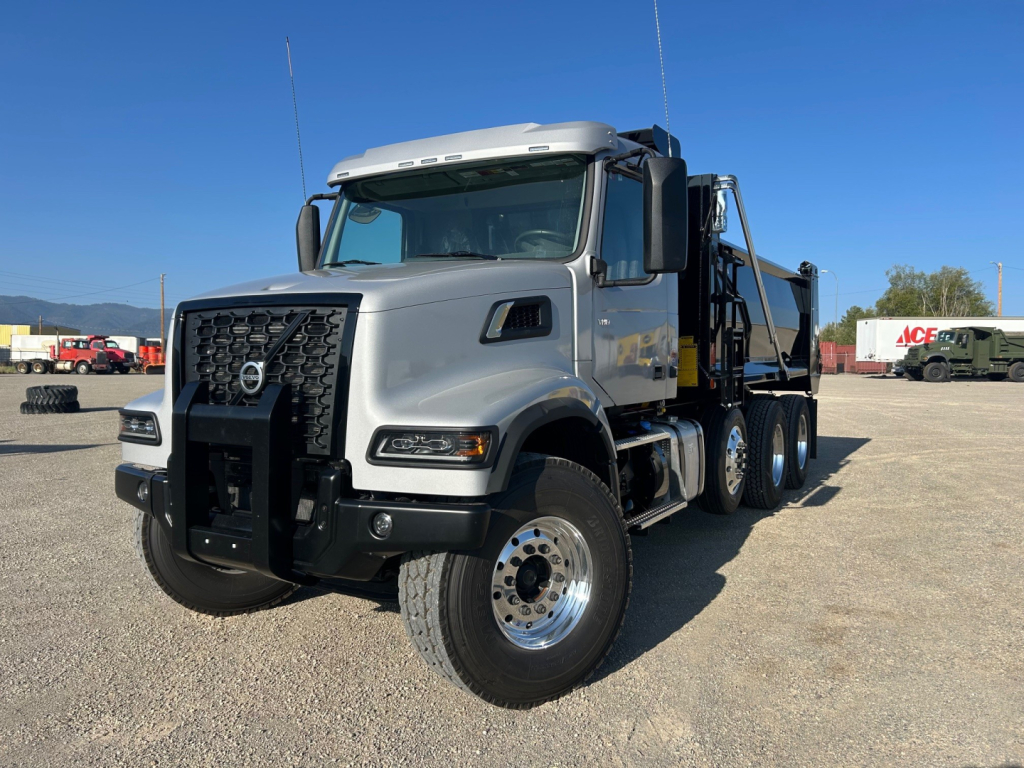
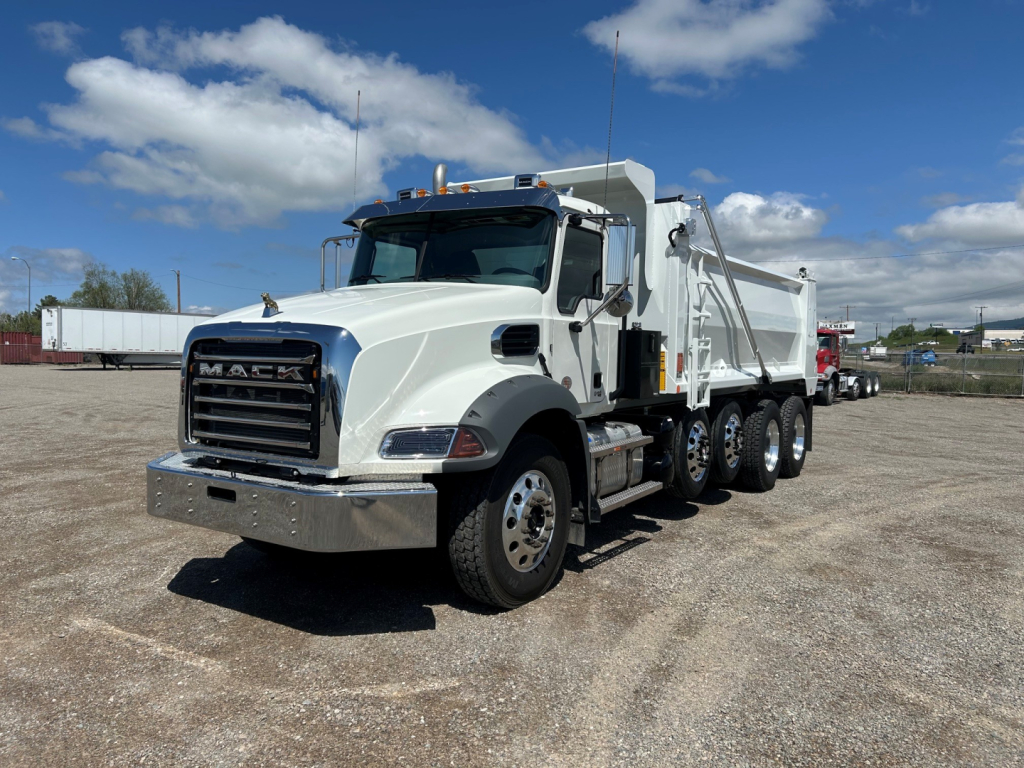
Heavy-spec new dump trucks often run 16- to 18-foot dump bodies with high sides, high-lift tailgates, electric tarp systems, and hoists built for repeated cycle work. Common body materials include 3/16-inch steel floors, AR450 wear surfaces, and reinforced side construction for rock, gravel, and demolition material. Buyers comparing new dump trucks should look closely at front axle ratings, rear tandem capacity, pusher or lift axles, suspension type, and rear axle ratio. A 20,000-pound front axle, 40,000- to 46,000-pound rears, locking differentials, and a vocational suspension package are common on severe-duty specs. If the truck will pull a pup trailer, make sure it is plumbed correctly and matched with the right hitch, hydraulic setup, and brake provisions from day one.
Powertrain selection affects operating cost as much as performance. Many new dump trucks are built with 13-liter engines in the 425 to 505 HP range, paired with automated manual transmissions such as Volvo I-Shift or Mack mDRIVE, though some buyers still prefer manual gearboxes depending on fleet preference and driver mix. PTO and hydraulic pump configuration should match the body and any auxiliary equipment, especially if REPTO, engine-mounted pumps, or trailer hydraulics are part of the job. For mountain grades, loose surfaces, and winter operation, pay attention to torque ratings, transmission gearing, traction aids, and full-locking axles. A truck that is ideal for asphalt haul work may not be the best choice for off-road excavation or municipal snow and material handling.
Body details deserve as much scrutiny as engine specs. Tailgate style, cab shield height, board pockets, vibrator options, liner material, tarp design, and hoist placement all affect daily usability. Medium-duty dump trucks with 10-foot bodies are often chosen for city work, light construction, and four-season municipal service, while severe-duty models with larger bodies and extra axles are built for higher-volume commercial hauling. Buyers shopping new dump trucks for sale should compare empty weight against legal payload, confirm local axle laws, and think through the material being hauled most often. A lighter body can improve payload on sand or aggregate, while a heavier body with abrasion-resistant steel is often the better long-term choice for shot rock, riprap, and demolition work.
Frequently Asked Questions
What axle configuration is best for a new dump truck in Montana?
The right axle configuration depends on payload target, road restrictions, and how much off-road work the truck will do. Tandem-axle dump trucks are a common fit for general construction, aggregate, and excavation work because they balance capacity, durability, and maneuverability. Tri-axle or 5-axle setups with lift pushers are better suited for maximizing legal payload, especially when hauling heavier materials. Single-axle and medium-duty dump trucks are usually a better match for municipal, utility, and lighter contractor work where tighter turning and lower operating cost matter more than top-end payload.
How do I choose the right dump body for the material I haul?
Body length, side height, steel thickness, and floor material should match the material stream. Sand, gravel, and asphalt can often be handled with a lighter body that protects payload capacity, while demolition debris, blasted rock, and abrasive aggregate usually justify heavier floors such as AR450 or similar wear-resistant steel. High sides increase cubic capacity for lighter material, but they can also change load balance and center of gravity. Tailgate design, tarp coverage, and vibrator options also matter if material tends to stick or bridge in the body.
Are automated manual transmissions a good choice for dump trucks?
Automated manuals are now common in new dump truck specs because they improve driver consistency, reduce clutch wear, and can help with fuel economy on mixed routes. Systems like mDRIVE and I-Shift are widely used in vocational applications and can be ordered with software and gearing suited for construction hauling. The key is making sure the transmission is matched to the engine torque, rear axle ratio, startability needs, and PTO or REPTO requirements. In severe off-road use, some fleets still prefer other transmission setups based on terrain and driver preference, but automated manuals have become a proven option in this class.
What should I look at besides horsepower when comparing new dump trucks?
Horsepower matters, but axle ratings, empty weight, suspension, body construction, hydraulic setup, and rear axle ratio often have a bigger effect on real-world productivity. A truck with the right front axle, proper locking differentials, a durable hoist, and a body built for the material will usually outperform a higher-horsepower truck that is poorly spec’d. Legal payload is also critical. Buyers should compare tare weight against local bridge laws and expected material density to understand how much revenue-producing load the truck can actually carry.
Can a new dump truck be spec’d for both hauling and trailer work?
Yes, many dump trucks can be set up to haul with a pup trailer or support additional equipment, but the truck needs the correct factory or upfit provisions. That includes the right pintle hitch or towing package, air and electrical connections, hydraulic plumbing if needed, and axle and suspension ratings that suit combined operation. Trailer use also affects wheelbase choice, frame layout, and weight distribution. If a truck will split time between solo dump work and trailer pulling, that should be part of the initial specification so the chassis, body, and hydraulic system are all compatible.