
Dump Trucks For Sale in New Mexico
Browse dump trucks for sale in New Mexico, including tandem-axle vocational specs for hauling aggregate, dirt, rock, asphalt, and jobsite material.
Learn more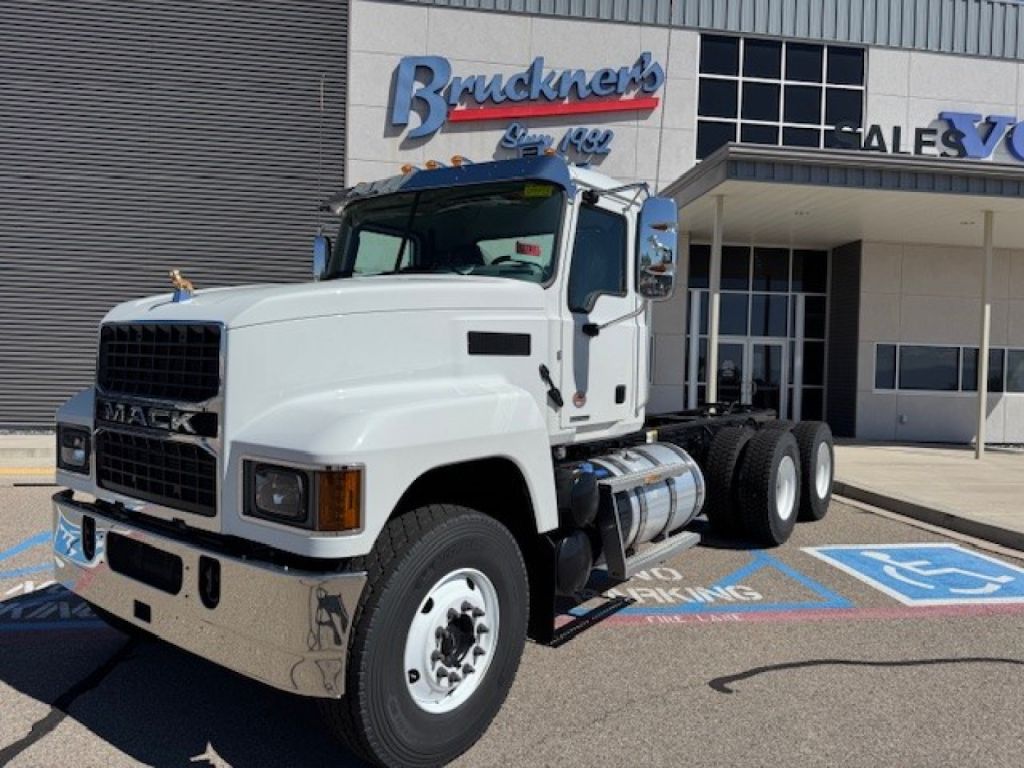
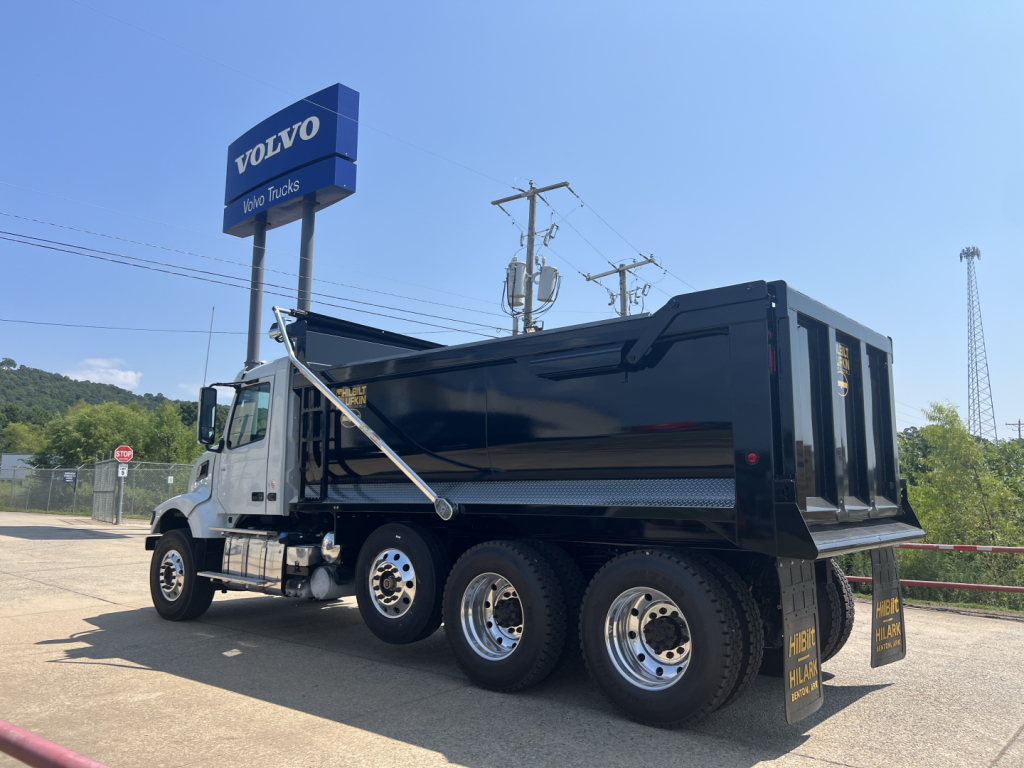
Have dump truck to sell? List it here to reach thousands of buyers.
About Dump Trucks in New Mexico
For New Mexico operations, a dump truck often needs to handle a mix of paved-road travel, caliche roads, gravel pits, and uneven jobsite conditions. Suspension selection affects both durability and ride. Multileaf vocational suspensions are favored for severe-service hauling and repeated loading cycles, while heavy-duty air ride or parabolic designs can improve ride quality and truck control depending on payload and terrain. Rear axle ratios in the mid-3s are common because they balance launch performance with cruise speed. Buyers should also pay close attention to wheelbase, because a shorter wheelbase generally improves maneuverability in tight sites, while a longer wheelbase can support larger dump bodies and better weight distribution.
Body spec is where dump trucks become highly application-specific. Rock boxes, contractor bodies, and elliptical dump bodies all serve different material types and loading methods. Hardox and similar abrasion-resistant steel are common in bodies hauling crushed rock, demolition debris, or abrasive material. Features like high-lift tailgates, electric tarp systems, pintle hitches, trailer connections, and crossmember spacing should be matched to the work. If the truck will haul asphalt, insulation and body shape may matter. If it will spend more time in quarry or transfer work, liner thickness, hoist capacity, and gate design become bigger concerns. A well-matched body can affect payload consistency, cleanout, and long-term maintenance more than a small difference in engine rating.
The best dump truck purchase usually comes down to matching the chassis to the route and the body to the material. A buyer comparing listings should look beyond year and make and focus on axle capacity, suspension type, transmission gearing, body length, steel spec, hoist design, and PTO setup. Also check for practical vocational details such as frame reinforcement, tire size, brake configuration, lighting, and tarp controls. In a market like New Mexico, where trucks may see both highway miles and rough access roads, a dump truck that is correctly spec'd for legal payload, site access, and material type will generally return more value than one built around headline horsepower alone.
Frequently Asked Questions
What specs matter most when buying a dump truck?
The most important dump truck specs are axle ratings, GVWR, body type, suspension, transmission, wheelbase, and hoist setup. These determine legal payload, off-road durability, turning radius, and how well the truck handles specific materials like sand, base course, riprap, or asphalt. Horsepower matters, but a dump truck with the right body construction and axle package is usually more productive than a higher-horsepower truck with a poor vocational spec.
What is the difference between an elliptical dump body and a conventional square-body dump?
An elliptical dump body has rounded sidewalls and floor transitions that help material flow out more cleanly during dumping. This design is often preferred for aggregate, asphalt, and sticky material because it can reduce carryback and improve cleanout. A conventional square-body dump may offer different capacity characteristics and can be a practical choice for general contractor work, but body shape should always be matched to the material being hauled and the loading method used.
Is a tandem-axle dump truck enough for construction work in New Mexico?
A tandem-axle dump truck is a common choice for construction, site work, paving support, and aggregate hauling in New Mexico. It offers a strong balance of payload, maneuverability, and roadability for regional hauling and jobsite access. The right tandem setup depends on local weight laws, body size, and terrain, so buyers should compare front axle capacity, rear tandem rating, suspension type, and wheelbase instead of assuming all tandem dumps perform the same.
Are automated manual transmissions a good choice in a dump truck?
Automated manual transmissions are widely used in modern dump trucks because they can improve driver consistency, reduce clutch wear, and make stop-and-go vocational work easier to manage. They are especially useful in fleets with multiple drivers or mixed experience levels. Buyers should still confirm the transmission has the right gearing, low-speed performance, PTO compatibility, and programming for severe-service use, because dump applications put different demands on the driveline than linehaul work.
What body material is best for hauling rock and abrasive material?
For rock, demolition debris, and other abrasive loads, abrasion-resistant steel such as Hardox is a common choice because it improves wear life compared with standard steel. Buyers should look at floor thickness, sidewall thickness, crossmember design, and overall body reinforcement, not just the material name. The right body spec depends on impact loading, loader bucket size, average payload, and how often the truck runs on rough haul roads.