
Dump Trucks For Sale in New Jersey
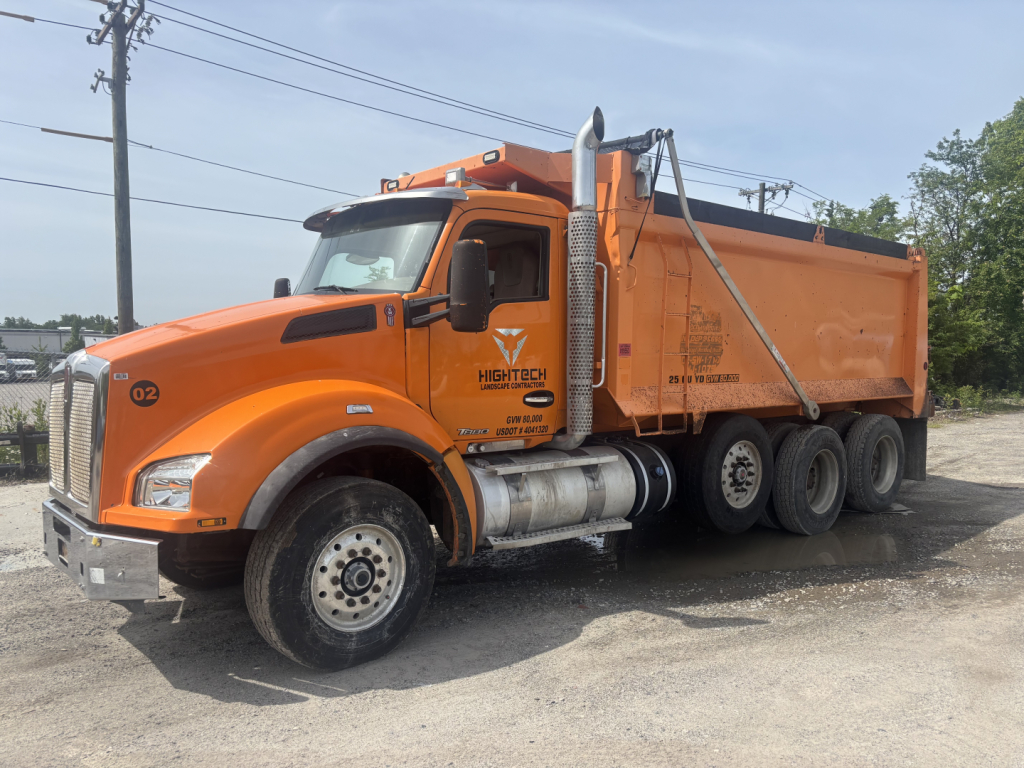
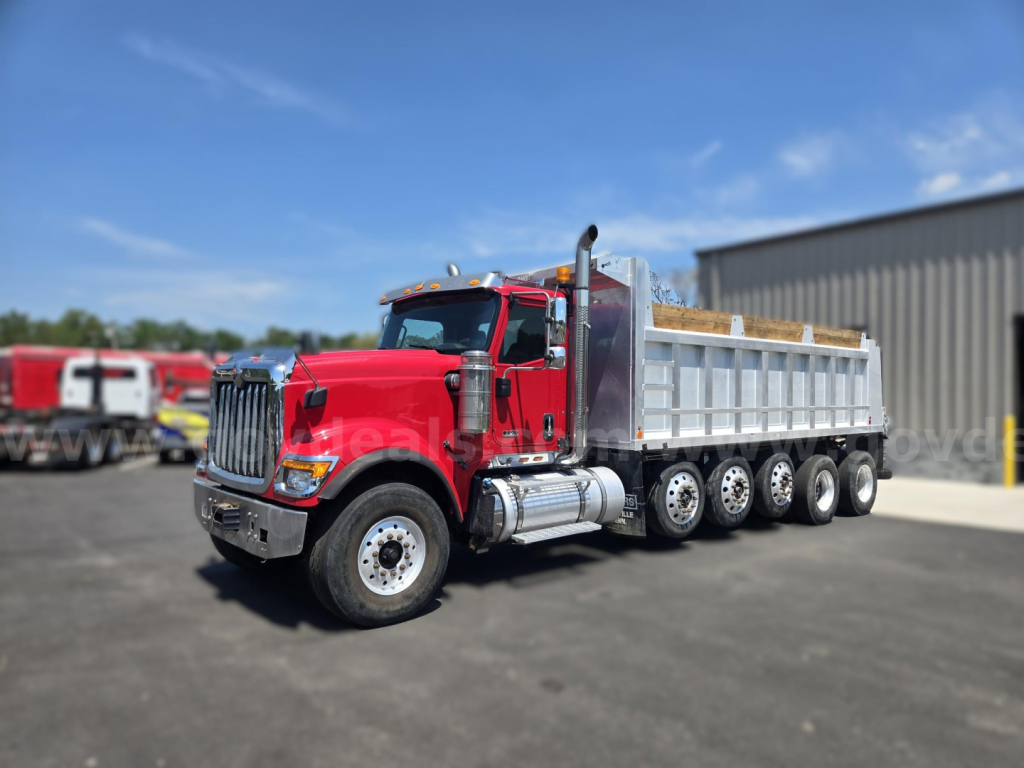
Browse dump trucks for sale in New Jersey, including single-axle, tandem, and tri-axle models for paving, site work, hauling, and municipal use.

Have dump truck to sell? List it here to reach thousands of buyers.
Dump Trucks in New Jersey
Body and chassis specs matter as much as the badge on the hood. Buyers should pay close attention to dump body length, side height, floor thickness, hoist type, and whether the body is suited for stone, millings, sand, topsoil, or mixed demolition debris. Steel bodies remain the standard for severe service, while some applications benefit from lighter-weight specs when payload is the priority. On the truck side, engine ratings in this category often run from medium-duty output on smaller units up to 500-plus horsepower on tri-axles, paired with automatic or automated transmissions for stop-and-go work. Locking rears, engine brakes, heavier front axles, and proper tire sizing all affect how well a dump truck performs on soft ground, steep grades, and congested roads.
For New Jersey buyers, operating environment is a major factor. Tight access in North Jersey, frequent short hauls, and dense traffic can favor automatic transmissions, compact wheelbases, and reliable steering and suspension components. Contractors running state, county, or municipal work often look for working tarp systems, pintle hitches, plow prep, salter compatibility, and clean frame condition, especially on trucks that may see year-round duty. Corrosion is always worth checking on used dump trucks in this region, particularly around the cab mounts, body crossmembers, hoist mounts, hinges, wiring, hydraulic lines, and underbody exposed to salt.
A good dump truck is matched to the material, route, and daily cycle count. Asphalt and paving fleets may prioritize insulation, smooth body floors, and predictable backing visibility. Site contractors may focus more on suspension durability, articulation over uneven ground, and body specs that can handle broken concrete or wet spoil. Municipal and landscape buyers often look at smaller dump trucks, including CDL and non-CDL models, where maneuverability and seasonal versatility matter more than maximum payload. Across the category, the best comparison points are axle rating, body construction, hoist condition, transmission type, frame strength, and maintenance history, because those are the details that determine payload, uptime, and operating cost.
Frequently Asked Questions about Dump Trucks in New Jersey
What is the difference between a single-axle, tandem-axle, and tri-axle dump truck?
The main differences are legal payload, maneuverability, and chassis capacity. Single-axle dump trucks are easier to position in tighter jobsites and urban streets, making them common for landscaping, municipal work, and lighter material hauling. Tandem-axle dump trucks offer more capacity and are widely used in construction and paving. Tri-axle dump trucks add carrying ability through an additional axle, often a lift axle, and are popular for aggregate, asphalt, and heavier production hauling where payload directly affects revenue.
Are steel or aluminum dump bodies better?
Steel dump bodies are generally preferred for dump truck applications involving stone, riprap, millings, demolition debris, and other abrasive or impact-heavy materials. They resist floor and sidewall damage better in severe service. Aluminum bodies reduce tare weight and can improve payload, but they are more common in applications where weight savings matter more than resistance to sharp or heavy material. For most construction dump trucks in New Jersey, steel remains the more common and more durable choice.
What should I inspect first on a used dump truck?
Start with the frame, hoist, body, and corrosion points. Look closely at the frame rails for cracks, repairs, rust scaling, and evidence of overloading. Check hoist pins, cylinders, hydraulic lines, and PTO operation for leaks or binding. Inspect the dump body floor, crossmembers, hinges, and tailgate for wear or distortion. In New Jersey, salt exposure makes it important to examine wiring, brake components, suspension hardware, and underbody structure for rust-related deterioration.
Is an automatic transmission a good choice in a dump truck?
An automatic or automated transmission is often a strong fit for dump truck work because these trucks spend much of their time in stop-and-go traffic, backing into jobsites, and making repeated short hauls. Automatic transmissions can reduce driver fatigue, improve consistency in crowded urban conditions, and help less-experienced drivers operate the truck smoothly. A manual still has appeal in some severe-service applications, but many contractors now prefer automatic-equipped dump trucks for productivity and ease of operation.
What features matter most for a dump truck used year-round in New Jersey?
Year-round New Jersey use usually calls for a durable chassis, strong corrosion resistance, and equipment that supports multiple seasons of work. Common priorities include a working tarp system, engine brake, lift axle if higher payload is needed, double-frame construction for severe duty, and compatibility with plows or salt spreaders for winter service. Buyers should also consider heater performance, electrical condition, brake health, and the overall state of the underbody because winter road treatment can shorten component life if maintenance has been inconsistent.