
Dump Trucks For Sale in Montana
Browse dump trucks for sale in Montana, from non-CDL singles to heavy tandem and quad-axle specs for gravel, asphalt, excavation, and snow work.
Learn more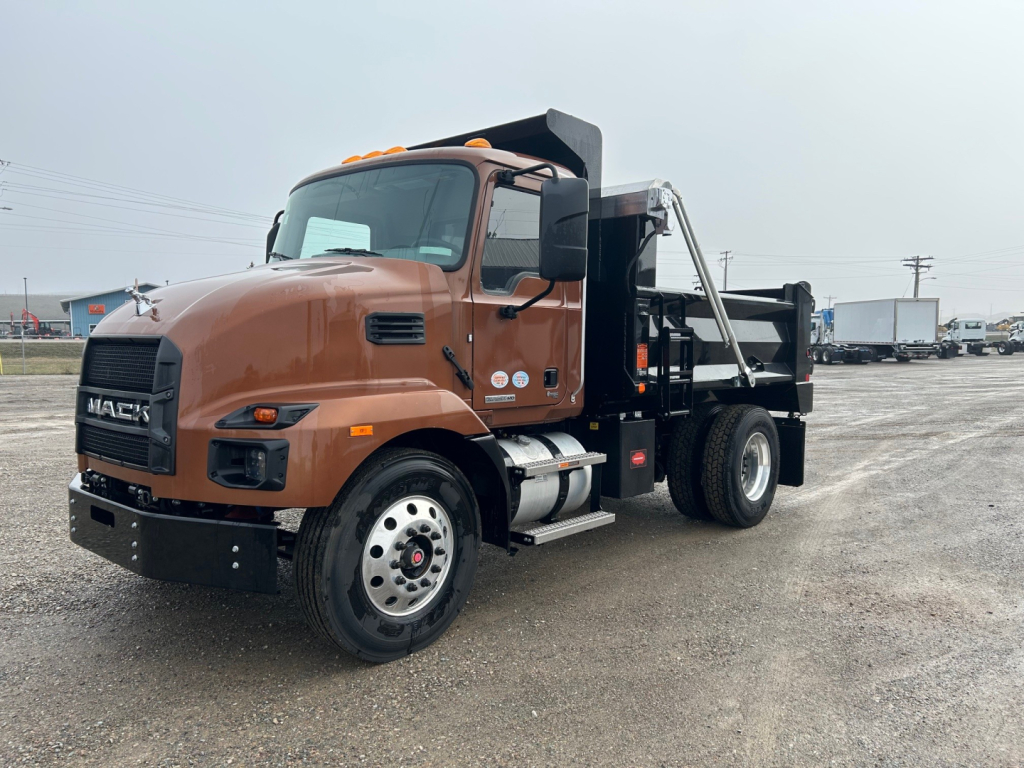
Have dump truck to sell? List it here to reach thousands of buyers.
About Dump Trucks in Montana
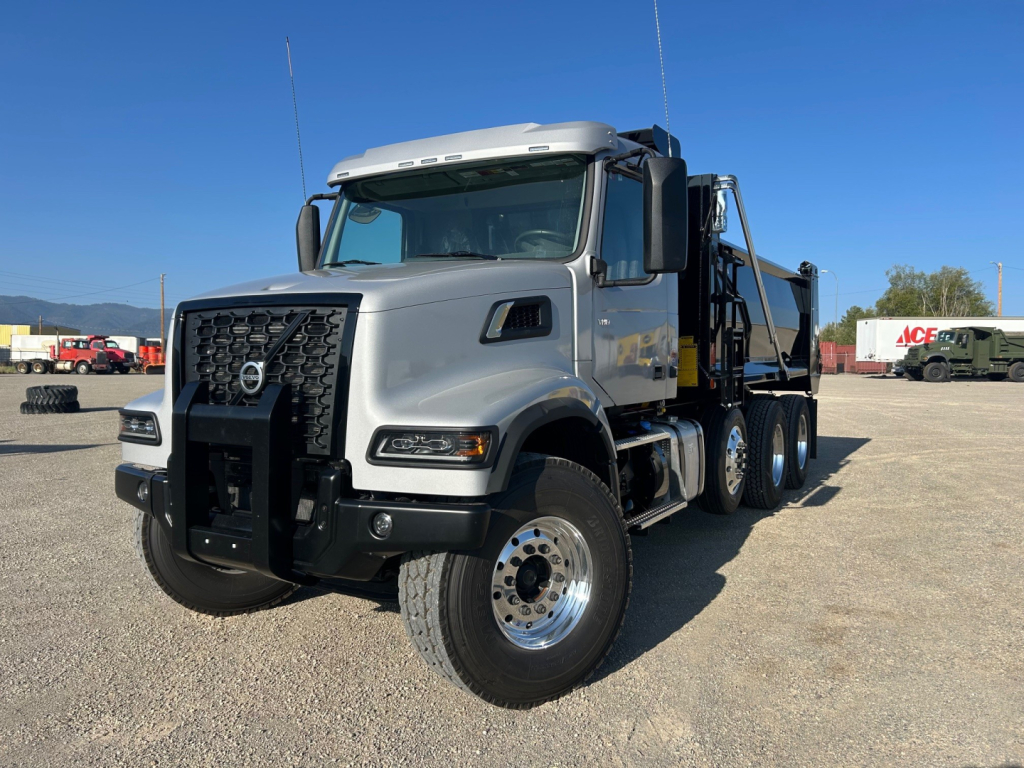
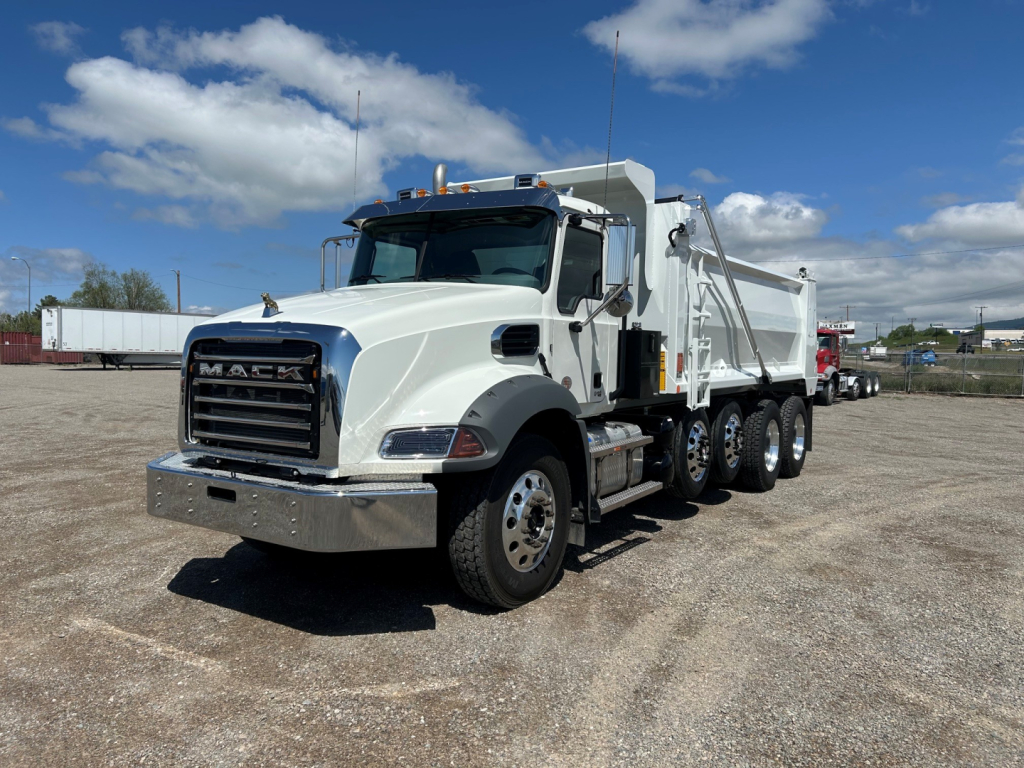
A buyer should start with axle configuration, body size, and material type. Single-axle dump trucks are popular for tighter access, lower operating cost, and in some cases non-CDL operation when spec'd around 26,000 GVWR or local exemption requirements. They are often paired with 10-foot bodies and medium-duty diesel power such as the Cummins ISB with an Allison automatic. Tandem and quad-axle dump trucks are the workhorses for heavier production hauling, usually built with 16-foot to 18-foot bodies, higher front axle ratings, and 44,000 to 46,000 lb rears. In Montana, body construction matters. Buyers moving abrasive rock often prefer AR450 or Hardox floors and heavier side construction, while lighter steel bodies may be suitable for sand, topsoil, or municipal material.
Powertrain choice affects both productivity and driver acceptance. Medium-duty dump trucks commonly use automatic transmissions for stop-and-go routing, municipal work, and newer driver pools. Heavy vocational models often use automated manuals such as Mack mDRIVE or Volvo I-Shift, which can improve consistency and reduce fatigue without giving up low-speed jobsite control. Horsepower in this class typically ranges from about 300 HP on lighter single-axle units to 445 to 505 HP on severe-duty tandem and quad specs. Rear axle ratios, suspension design, and PTO setup should match the job. Lower ratios and vocational suspensions like Camelback or heavy parabolic spring setups favor off-road durability and launch, while air ride rears can make sense on lighter trucks where ride quality and mixed on-road use matter.
Body and upfit details often separate one dump truck from another. Look closely at hoist type, tailgate style, side height, cab shield, tarp system, hitch package, and hydraulic provisions. High-lift gates, air tailgate latches, electric tarp systems, vibrators, backup alarms, and scuff-resistant floor materials all add real value in daily use. For Montana buyers, cold-weather items such as block heaters, heated mirrors, reliable electrical routing, and corrosion-resistant body components are worth attention. A well-matched dump truck is not just about rated capacity. It is about bridge law compliance, usable payload, stability with the body raised, and a spec that fits the haul, the terrain, and the season.
Frequently Asked Questions
What axle configuration is best for a dump truck in Montana?
The right axle configuration depends on payload, road access, and the type of work. Single-axle dump trucks work well for landscaping, smaller excavation jobs, municipal service, and tighter residential access. Tandem-axle trucks are the standard choice for aggregate, paving, and construction hauling because they balance payload, maneuverability, and operating cost. Quad-axle dump trucks add legal payload capacity and are often chosen for heavier production hauling where bridge law and axle spacing matter. In Montana, rough roads and changing surface conditions also make suspension and tire spec just as important as axle count.
What dump body material should I look for?
Body material should match the material being hauled. Hardox, AR450, and other abrasion-resistant steel floors are a strong choice for rock, demolition debris, and other abrasive loads because they resist wear better than standard steel. Lighter-duty steel bodies can be effective for sand, dirt, mulch, or municipal applications where impact and abrasion are lower. Buyers should also compare floor thickness, side thickness, tailgate design, and whether the body uses a traditional box or elliptical rock box layout. A heavier body can reduce payload, but it often lasts longer in severe service.
Are automatic and automated manual transmissions common in dump trucks?
Yes. Allison automatics are common in medium-duty dump trucks because they are simple to operate and well suited for stop-and-go work, plowing, and urban routes. In heavier vocational dump trucks, automated manuals such as Mack mDRIVE and Volvo I-Shift are widely used because they combine driver-friendly operation with strong torque handling and efficient road performance. The best choice depends on route profile, driver experience, PTO needs, and how much off-road crawling the truck will do. Transmission calibration can make a major difference in launch performance and jobsite control.
What features matter most on a vocational dump truck body?
The most important dump body features are the ones that improve uptime, load control, and safety. Buyers should pay attention to hoist design, body dimensions, floor and side thickness, tailgate style, tarp system, cab shield height, and hydraulic setup. High-lift gates are useful for larger material discharge and asphalt work, while air-operated tailgate latches can speed loading cycles. Electric tarps, body vibrators, pintle hitches, trailer air and electrical, and backup alarms are common vocational upgrades. These details affect daily usability more than paint or trim.
How important is GVWR and bridge law when choosing a dump truck?
GVWR is critical, but it is only part of the payload equation. A buyer also needs to consider empty weight, axle ratings, wheelbase, axle spacing, tire capacity, and local bridge law requirements. Two dump trucks with similar GVWR can carry very different legal payloads depending on body weight and axle layout. In practical terms, the best truck is the one that gives the highest legal payload for the intended route without compromising durability or stability. This is especially important for buyers hauling aggregate or operating with pup trailers.