
New Mack Dump Trucks For Sale in Montana
Shop new Mack dump trucks for sale in Montana. Compare Granite and MD models built for gravel, asphalt, municipal, and site work.
Learn more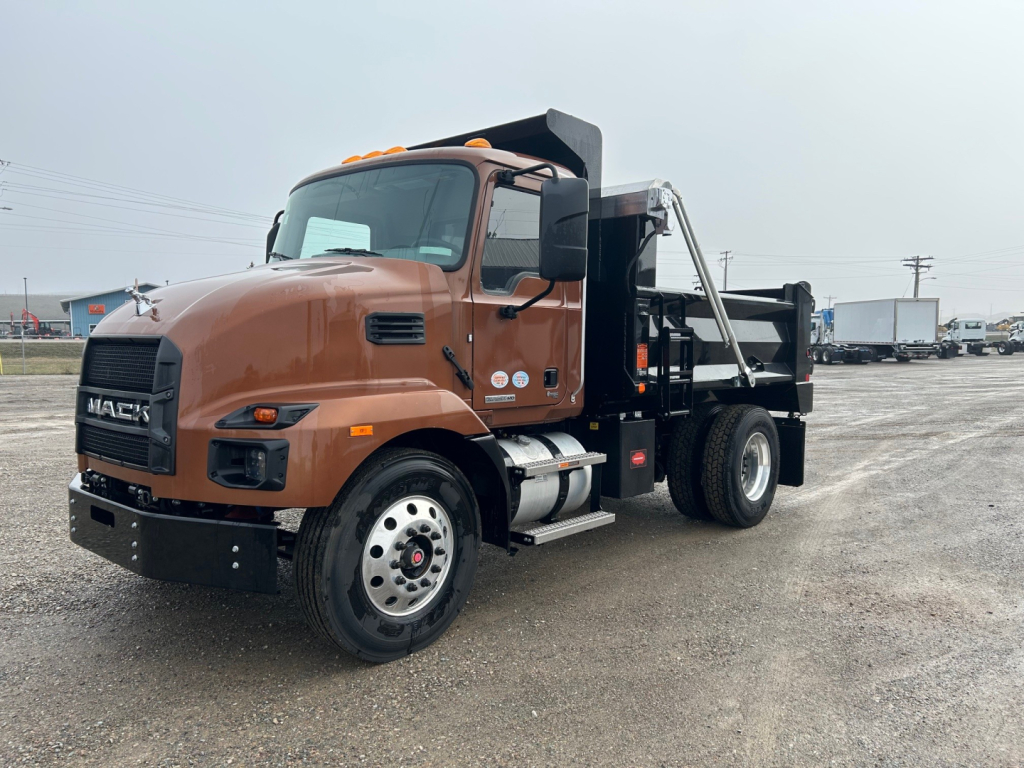
Have new mack dump truck to sell? List it here to reach thousands of buyers.
About New Mack Dump Trucks in Montana
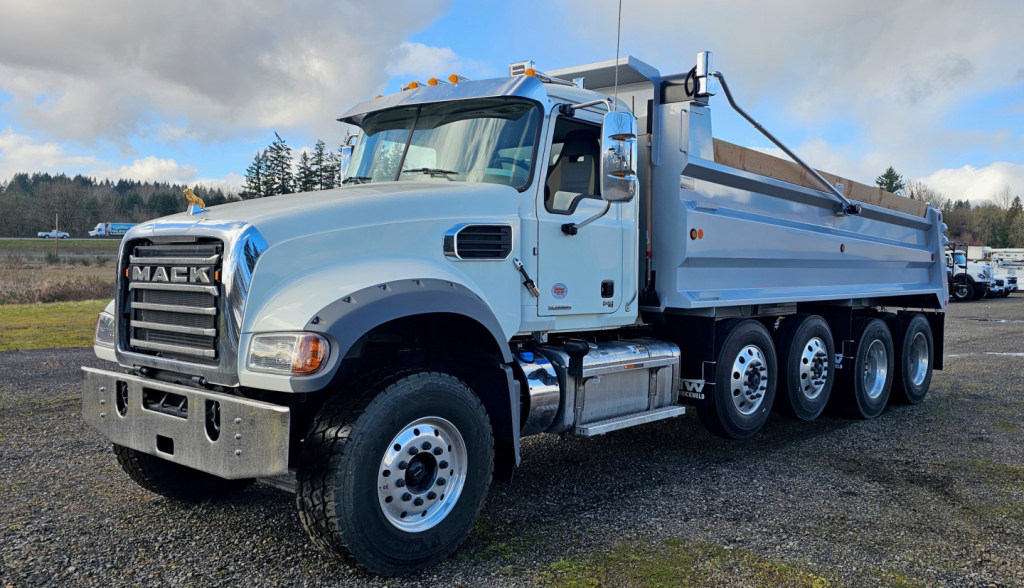
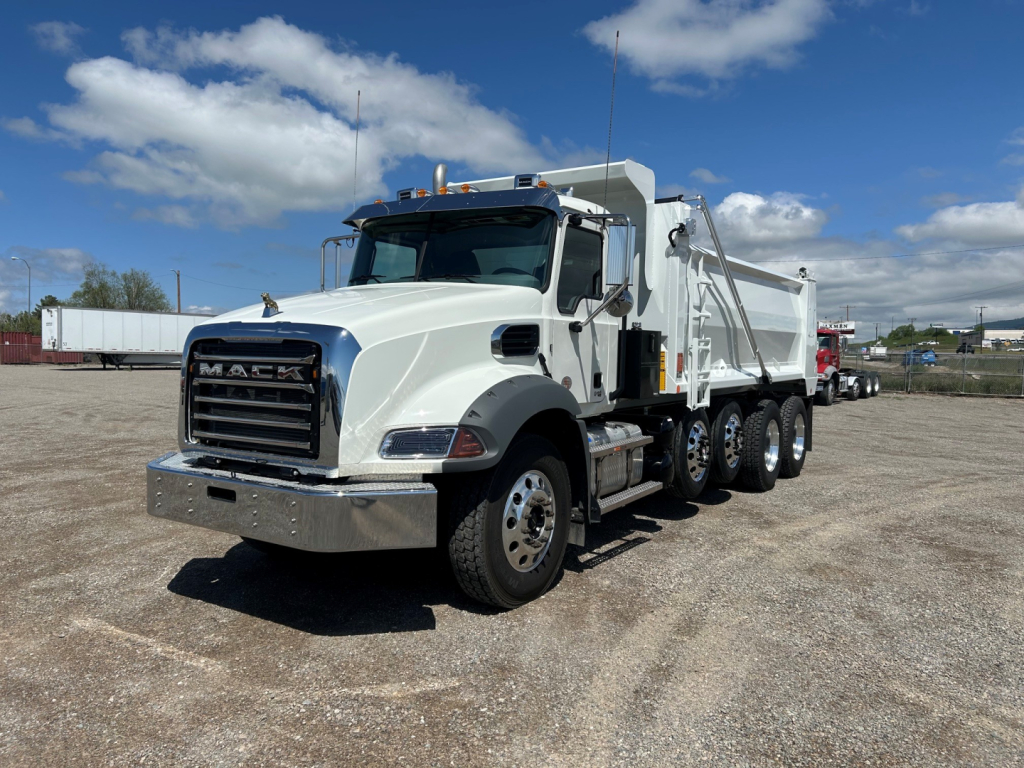
For most buyers, the first decision is chassis size and body capacity. A medium-duty model like the MD7 can make sense for landscape material, municipal maintenance, snow and ice support, and lighter aggregate work where tighter turning and lower operating costs matter. A Granite spec is more typical for quarry, asphalt, excavation, demolition, and road-building fleets that need larger bodies, heavier suspensions, and higher horsepower. Common specs in this category include steel dump bodies in the 10-foot to 18-foot range, 3/16-inch floors, air-operated tailgates, electric tarp systems, pintle hitches for trailer or pup applications, and hoists sized to match body length and material density. Buyers should also pay attention to axle ratings, wheelbase, CT and CA dimensions, and how the body is positioned on the frame, since those details affect bridge compliance, weight distribution, and turning performance.
Powertrain selection matters more on a dump truck than many first-time vocational buyers expect. Higher horsepower and automated manual transmissions like Mack mDRIVE are common on tandem-axle Granite specs because they help with gradeability, launch under load, and driver consistency across mixed terrain. Suspension choice also changes the truck's behavior on and off road. A vocational rear suspension with the right spring or air setup can improve durability and traction in rough jobsites, while still keeping the truck predictable on pavement. In Montana, cold-weather items like block heaters, heated mirrors, backup alarms, LED lighting, and corrosion-resistant body and hydraulic components are worth close attention. If the truck will carry abrasive material such as rock or demo debris, body steel type, floor thickness, liner options, and tailgate design deserve a careful look.
A good Mack dump truck spec is one that matches the material, the route, and the loading equipment. Shorter wheelbases generally help maneuverability and jobsite access, while longer bodies and trailer-ready setups increase productivity on longer hauls. Buyers comparing listings should look beyond engine rating alone and focus on body builder quality, hoist brand, hitch setup, cab protection, tarp coverage, and whether the truck is already configured for the exact work cycle. On a new Mack dump truck, the value is usually in getting a vocational package that is properly balanced from frame to body, not just choosing the biggest engine or the largest box.
Frequently Asked Questions
What Mack models are most common in new dump truck listings?
The most common Mack dump truck models are typically the Mack Granite for heavy vocational work and the Mack MD series for lighter municipal or local hauling applications. Granite models are more common when buyers need tandem axles, higher horsepower, larger dump bodies, and severe-duty chassis components. MD models are better suited to tighter routes, lighter payloads, and operations where maneuverability and lower acquisition cost are priorities.
What dump body specs should buyers focus on first?
Start with body length, side height, floor thickness, and steel type because those directly affect payload suitability and long-term durability. A truck hauling sand, gravel, asphalt, or demolition debris needs a body matched to material density and impact resistance, not just cubic-yard volume. Buyers should also review tailgate style, hoist capacity, cab shield design, tarp system, and whether the body includes options like board pockets, vibrators, or trailer-ready hitch equipment.
Is a Mack mDRIVE transmission a good choice for dump truck work?
Yes, for many dump applications an mDRIVE automated manual is a strong choice because it improves shift consistency, reduces driver fatigue, and performs well in repeated stop-and-go work. It can be especially useful in fleets with multiple drivers or routes that include grades, traffic, and mixed road conditions. The key is pairing the transmission with the correct axle ratio, engine output, and suspension package for the truck's expected payload and terrain.
What matters most when buying a dump truck for Montana?
Montana buyers should pay close attention to cold-weather starting equipment, traction-oriented suspension specs, and durability for rough roads and seasonal conditions. Block heaters, heated mirrors, strong lighting, backup alarms, and body components that stand up to winter use are all practical features. Route length, grade, off-road exposure, and the type of aggregate or material being hauled should guide the final spec more than advertised horsepower alone.
How do I choose between a medium-duty dump truck and a heavy-duty tandem dump truck?
Choose a medium-duty dump truck when the work involves lighter payloads, tighter urban or municipal routes, smaller loading areas, or lower annual mileage under severe load. Choose a heavy-duty tandem dump truck when the operation requires larger body capacity, more legal payload, greater off-road durability, trailer towing capability, or regular hauling of dense material like gravel, rock, and asphalt. The right decision usually comes down to payload target, body size, axle ratings, and the real conditions the truck will face every day.