
Kenworth Dump Trucks For Sale
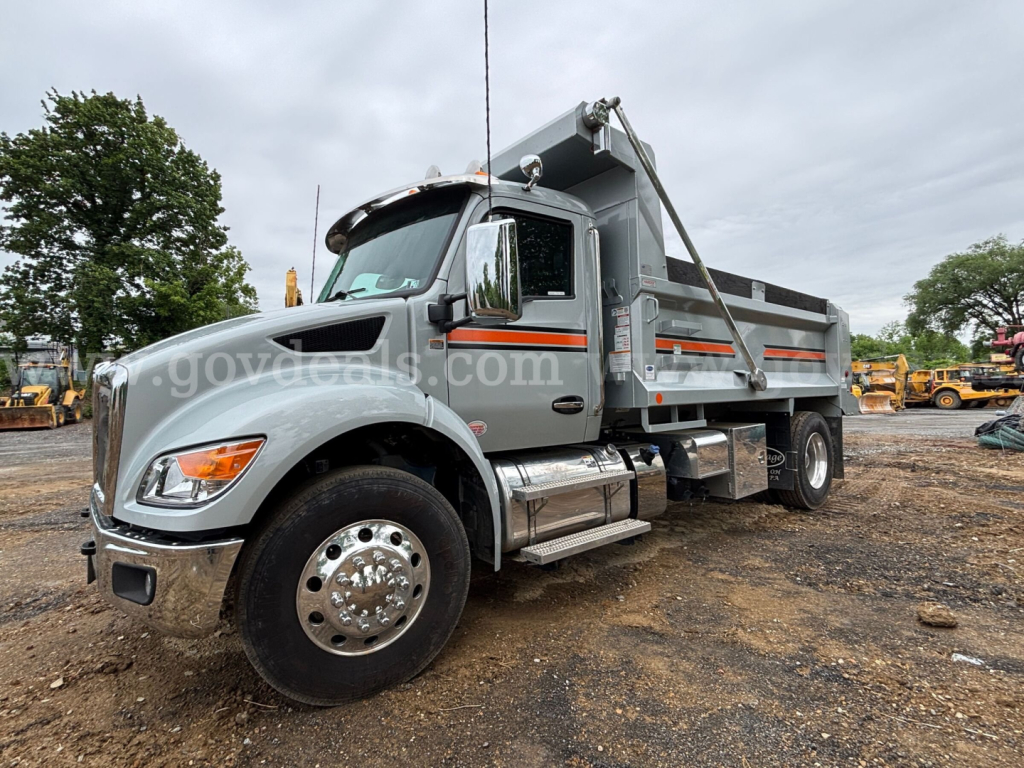
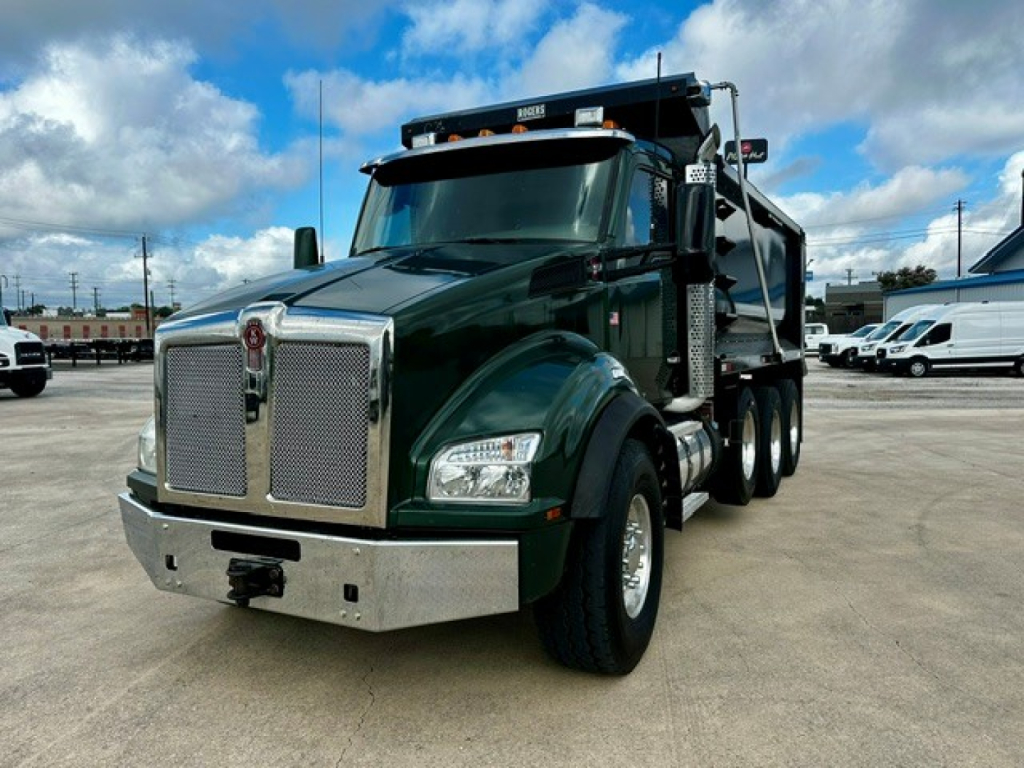
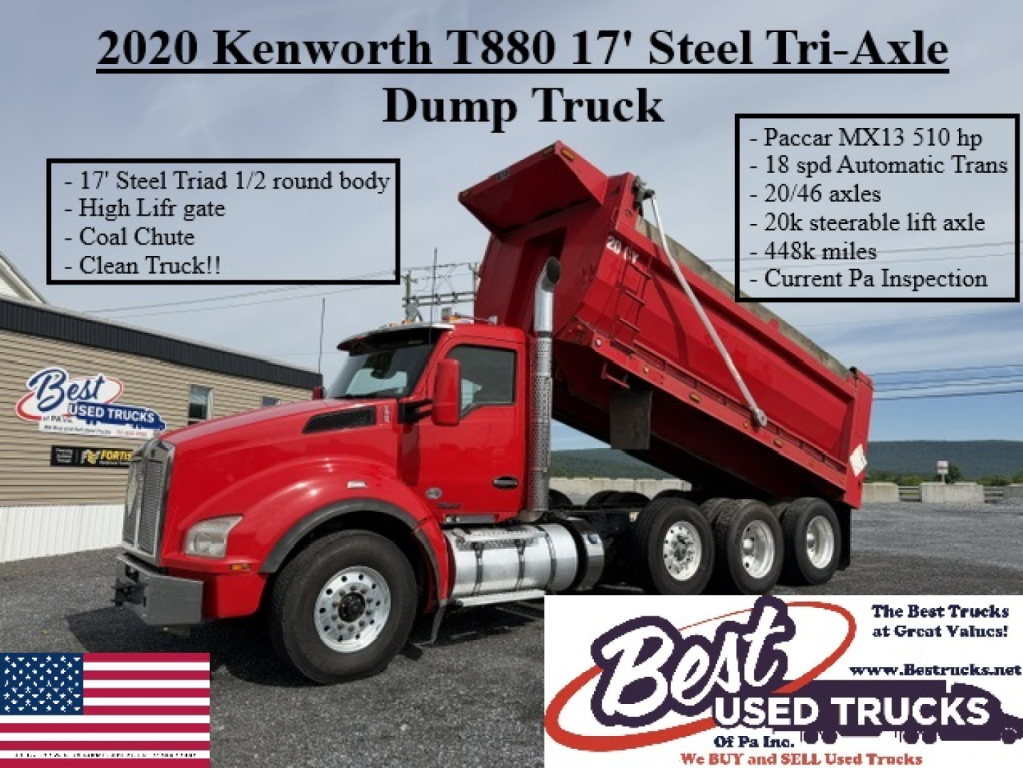
Shop Kenworth dump trucks including T880 and T800 models. Compare specs, axle setups, engines, bodies, and vocational features for hauling jobs.
Learn more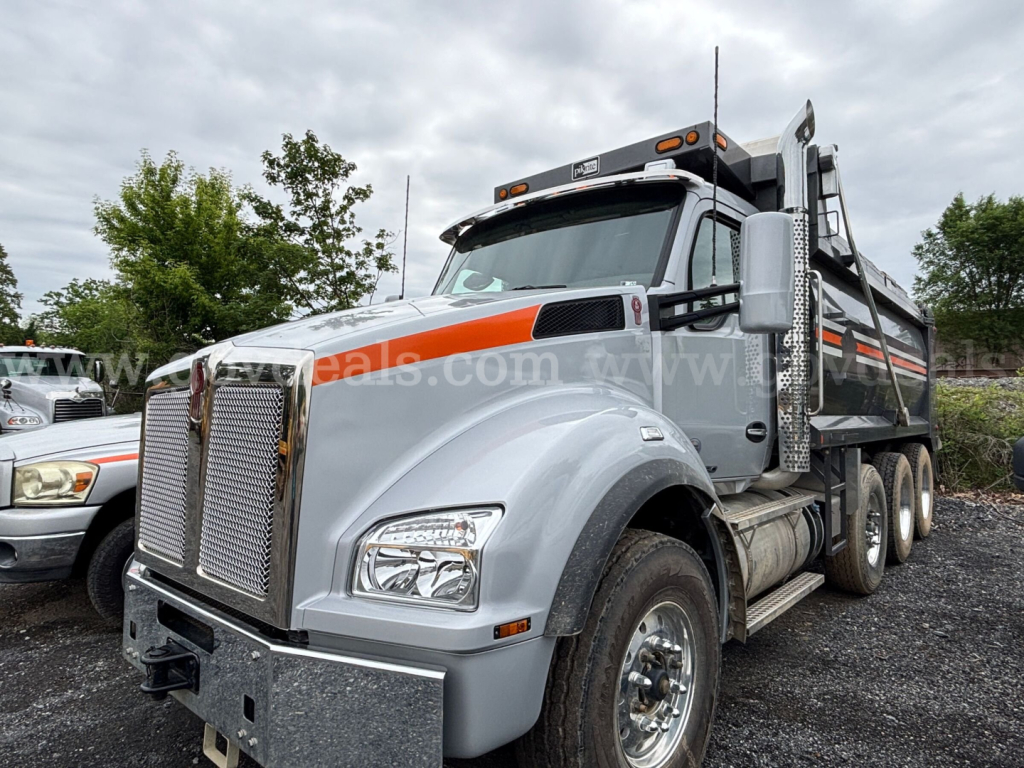

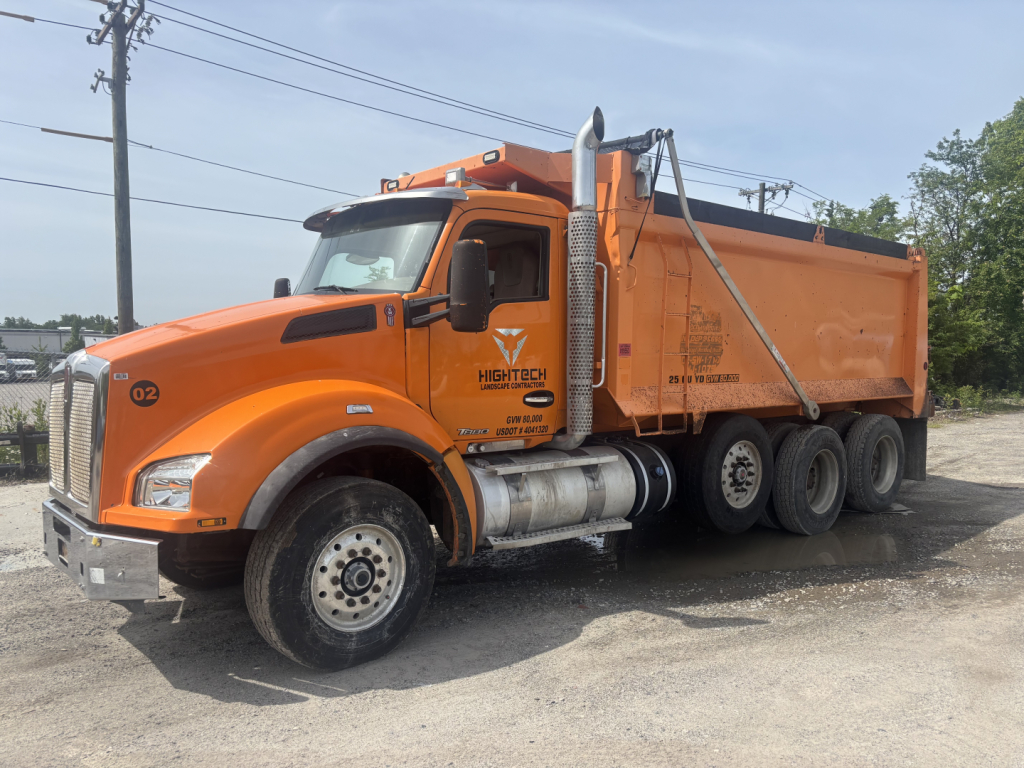
Showing 1 to 12 of 23 results
Have kenworth dump truck to sell? List it here to reach thousands of buyers.
About Kenworth Dump Trucks
Tri-axle and tandem dump configurations are both common on Kenworth chassis. A tri-axle with a lift axle can help maximize legal payload in states where bridge laws reward the extra axle, while a tandem may be the better fit for tighter job sites, simpler maintenance, and lower empty weight. Common vocational specs include double-frame rails, heavy rear suspensions such as Chalmers, 22.5-inch or 24.5-inch rubber, and rear axle ratios in the mid-4s for stronger startability under load. Wheelbase matters more than many buyers expect. A shorter wheelbase improves maneuverability and can help in paving or site work, while a longer wheelbase may better support body length and weight distribution.
Engine and transmission selection should match the truck’s route profile and PTO demands. Many Kenworth dump trucks are equipped with Cummins X15 power or PACCAR MX-13 engines in the 450 to 510 horsepower range, with torque tuned for low-speed pulling rather than highway cruising. Buyers comparing automatic and manual setups should look closely at application. Allison automatic transmissions are popular in stop-and-go vocational work, snowplow service, and jobs requiring smooth launch control. Eaton manual and automated manual transmissions remain common where drivers want more gear control or fleets want a simpler mechanical spec. Engine brakes, cooling capacity, and PTO compatibility are all important if the truck will spend time on steep grades, in urban traffic, or powering hydraulic equipment throughout the day.
Body construction is just as important as the chassis. Steel dump bodies are favored for demolition, rock, and abrasive materials because they tolerate impact and scraping better than lighter alternatives. Stainless bodies and plow prep are often seen in municipal applications where corrosion resistance matters. Look at hoist type, body length, side height, floor thickness, tailgate style, and whether the truck has a liner, tarp system, pintle hitch, or hydraulic connections for additional equipment. On used Kenworth dump trucks, pay attention to frame condition, suspension wear, box and hoist integrity, lift axle operation, brake percentages, and signs of hard off-road use. A well-spec'd dump truck can be productive for years, but the right truck is the one whose axle ratings, suspension, body, and drivetrain all match the material being hauled and the roads it will run.
Frequently Asked Questions
What is the most common Kenworth dump truck model?
The Kenworth T880 is one of the most common dump truck models in current vocational fleets because it is designed for severe-service applications and can be spec'd for tandem or tri-axle work. Older Kenworth T800 trucks are also widely used and remain popular in construction, municipal, and snowplow service due to their durable chassis and strong parts support.
Should I buy a tandem or tri-axle Kenworth dump truck?
That depends on payload goals, local bridge laws, and the type of job site access you need. A tri-axle Kenworth dump truck can improve legal payload in many states and is common in aggregate hauling, but it adds complexity, weight, and maintenance. A tandem axle truck is often easier to maneuver, lighter, and better suited for tighter sites or operations where maximum legal payload is less important than simplicity.
What engines are common in Kenworth dump trucks?
Common engine choices include the Cummins X15 and PACCAR MX-13, often rated around 450 to 510 horsepower for vocational service. The right rating depends less on peak horsepower and more on torque curve, rear axle ratio, transmission pairing, and the weight of the material being hauled. For heavy stop-and-go work or steep grades, buyers usually prioritize low-speed pulling power, engine brake performance, and cooling capacity.
Are automatic transmissions a good choice for a Kenworth dump truck?
Yes, especially in applications with frequent stops, multiple drivers, snowplow work, or urban hauling. Allison automatics are widely used in dump trucks because they provide smooth engagement, easier operation, and good control in tight spaces. Manual and automated manual transmissions still have advantages in some fleets, particularly where drivers prefer more direct gear control or where the spec is built around a specific PTO or operating style.
What should I inspect on a used Kenworth dump truck?
Focus on the chassis and body as a complete working system. Check the frame rails for cracks or corrosion, inspect the dump body floor and sides for excessive wear, test the hoist and PTO operation, and verify lift axle function if equipped. Suspension condition, brake wear, steering play, tire condition, tailgate operation, hydraulic leaks, and signs of overload use are all important. Service records are especially valuable on vocational trucks because mileage alone does not show total wear.