
Kenworth Dump Trucks For Sale in Ohio
Browse Kenworth dump trucks for sale in Ohio. Compare vocational specs, axle setups, bodies, PTO options, and heavy-duty configurations.
No exact matches found for your search
Showing Dump Trucks in Ohio instead.

Selling a kenworth dump truck? List your kenworth dump truck for sale and reach thousands of commercial buyers.
Kenworth Dump Trucks in Ohio
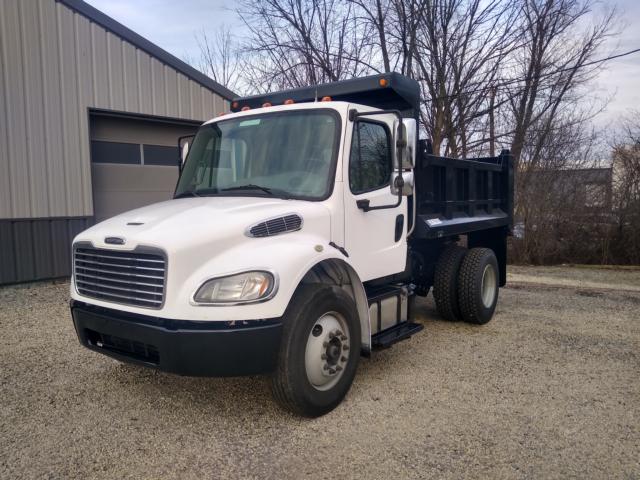
Popular Kenworth dump truck platforms include medium-duty models like the T300 and heavier vocational trucks built for severe service applications. Key buying points include GVWR, front and rear axle ratings, suspension type, wheelbase, transmission, and engine family. A single-axle dump truck is often the right fit for tighter urban work, landscape supply, and municipal routes, while tandem-axle dump trucks are better suited for heavier payloads, aggregate, demolition debris, and road-building material. Buyers should also look closely at PTO and hydraulic setup, hoist type, body length, side height, floor material, and tailgate design. In Ohio, corrosion exposure matters, so inspection of frame rails, crossmembers, cab corners, body mounts, hydraulic lines, and the underside of the dump body is especially important on used trucks.
A Kenworth dump truck can be configured with diesel engines from several manufacturers depending on year and model, along with manual, automated, or automatic transmissions. That means the right truck depends heavily on route profile and operator preference. For stop-and-go municipal service, automatic transmissions are common. For higher-GVW hauling and mixed road-jobsite use, buyers often focus on power ratings, torque, rear-end ratios, and suspension durability. Air brakes are standard in heavier specs, and many trucks include vocational features such as locking differentials, external air connections, pintle hitches, tow packages, bed vibrators, and severe-duty front frames for plow use. If a truck has already been used in snow service, check the electrical system, spreader controls, hydraulic function, and front frame extensions carefully.
The best Kenworth dump truck for a buyer is usually the one whose spec sheet matches the material being hauled and the roads it will run every day. A lighter truck can be more efficient and easier to position on residential or municipal work, but a heavier vocational chassis may deliver better longevity under repeated full-load cycles. Body condition matters as much as drivetrain condition, especially on trucks hauling salt, asphalt, riprap, or broken concrete. Buyers should compare mileage, engine hours if available, service history, steer axle capacity, tire size, and evidence of prior frame or body repair. A well-spec'd Kenworth dump truck can serve in excavation, paving, utility construction, snow removal, and public works for years if the chassis, hydraulics, and body were built for the application.
Frequently Asked Questions about Kenworth Dump Trucks in Ohio
What should I look for when buying a used Kenworth dump truck?
Focus first on the truck's vocational spec, not just the model year or appearance. Confirm GVWR, axle ratings, wheelbase, suspension, engine, transmission, PTO setup, and dump body dimensions. Then inspect the frame, hoist, hydraulic cylinder, body floor, tailgate hinges, crossmembers, and electrical system for wear or corrosion. On Ohio trucks, rust from winter road treatment and snow service exposure can be a major factor, especially around the dump body, plow mounts, wiring, and undercarriage.
Are Kenworth dump trucks good for snow plow and municipal work?
Yes, many Kenworth dump trucks are well suited for municipal duty because they can be spec'd with front plow mounts, hydraulic systems, spreader controls, and severe-duty frame options. Medium-duty configurations are common for city and county snow operations where maneuverability matters, while heavier vocational chassis are used for road departments and year-round material hauling. Buyers should verify that the front axle rating, frame reinforcement, hydraulics, and electrical system are adequate for the plow and spreader equipment installed.
What is the difference between a single-axle and tandem-axle Kenworth dump truck?
A single-axle Kenworth dump truck generally offers easier maneuverability, lower empty weight, and simpler operation for local delivery, landscaping, and municipal applications. A tandem-axle dump truck is built for greater payload capacity and better weight distribution, making it more appropriate for aggregate, demolition, excavation, and heavier construction work. The right choice depends on legal weight limits, jobsite access, and the density of the material being hauled.
Which specifications matter most on a Kenworth dump truck?
The most important specifications are GVWR, front and rear axle ratings, engine horsepower and torque, transmission type, rear axle ratio, suspension, brake system, and dump body construction. Buyers should also review body length, side height, floor thickness, hoist design, PTO and hydraulic components, and any auxiliary equipment such as pintle hitches, plows, spreaders, or bed vibrators. These details determine payload, durability, and how well the truck matches the intended application.
Why does prior application matter on a used dump truck?
A dump truck that spent its life hauling light topsoil on short runs can have very different wear than one used for salt spreading, asphalt paving, or hauling broken concrete. Snow and ice service can accelerate corrosion and add wear to hydraulics, electrical systems, and front frame components. Heavy aggregate or demolition use can be hard on suspensions, body floors, tailgates, and hoists. Knowing the prior application helps a buyer judge expected maintenance needs and remaining service life more accurately.