
Dump Trucks For Sale in Iowa
Browse dump trucks for sale in Iowa, including single-axle, medium-duty, and municipal spec trucks with dump bodies, plows, and spreaders.

Have dump truck to sell? List it here to reach thousands of buyers.
Dump Trucks in Iowa
A typical Iowa dump truck listing may range from a Class 5 dump body truck up to a 33,000 to 37,000 lb GVWR single-axle vocational unit. Common powertrains include Cummins ISB and larger medium-duty diesels like the DT466 or MaxxForce DT, paired with Allison automatic transmissions or manuals depending on application. For tighter urban work, landscaping, and property maintenance, smaller dump trucks with 4WD and shorter wheelbases are easier to maneuver and can carry plows well. For aggregate, road shoulder work, and heavier municipal service, buyers often lean toward heavier front axles, locking rears, low rear axle ratios, and robust suspension specs that hold up under repeated stop-and-go loading cycles.
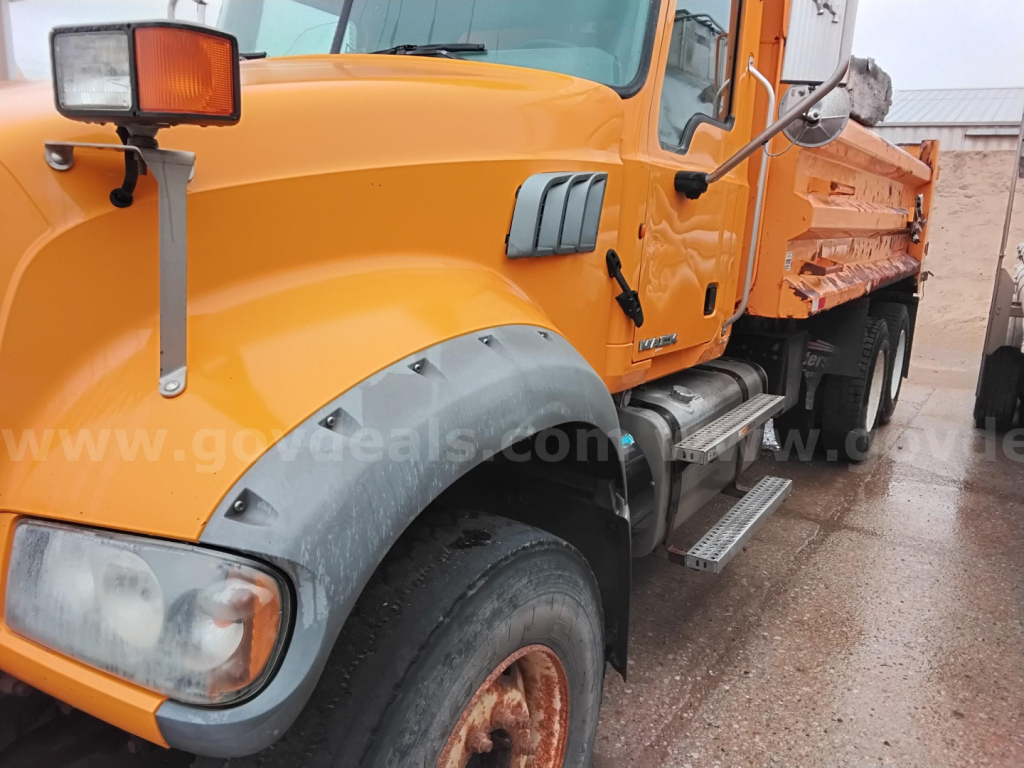
The dump body itself deserves close attention. Body size, side height, floor thickness, tailgate style, and hoist capacity directly affect production. Steel bodies are common for abrasive material and general construction use, while stainless bodies are popular in snow and ice control service because they resist corrosion from salt. Many Iowa municipal dump trucks are equipped beyond basic dumping, with front plows, wing plows, underbody scrapers, tailgate spreaders, integrated conveyors, brine tanks, and Force America or similar hydraulic controls. If year-round utilization is important, a municipal-spec dump truck can cover hauling in warmer months and snow operations in winter, but buyers should inspect hydraulic plumbing, frame condition, body mounts, and corrosion around spreader and plow attachment points.
A good used dump truck purchase usually comes down to duty cycle history and chassis condition. Check frame rails for rust scaling or repairs, look for body crossmember fatigue, inspect hinge pins and hoist cylinders, and confirm the PTO and hydraulics engage smoothly under load. On plow-equipped trucks, front axle wear, steering component condition, and evidence of hard winter service are worth a close look. Cab comfort and visibility also matter on vocational trucks that spend long days on routes or jobsites. Air ride seats, heated mirrors, clear sight lines, and simple switchgear can make a real difference in operator productivity. For Iowa buyers, the best dump truck is not just one with the right engine and price, but one with the right body, axle capacity, seasonal equipment, and service history for the work it will actually do.
Frequently Asked Questions about Dump Trucks in Iowa
What should I look for first when buying a used dump truck in Iowa?
Start with GVWR, axle ratings, and dump body specifications, because those determine whether the truck fits your payload and legal operating needs. After that, inspect the frame, hoist, PTO, hydraulic lines, body floor, hinge points, and suspension for signs of hard service or corrosion. In Iowa, many used dump trucks have seen snow and salt duty, so rust around plow mounts, spreader systems, wiring, and body supports is especially important to evaluate.
What is the difference between a medium-duty dump truck and a heavier single-axle dump truck?
A medium-duty dump truck, such as an F-550 class unit, is typically better for lighter payloads, property maintenance, landscape material, and municipal support work where maneuverability matters. A heavier single-axle dump truck usually has a higher GVWR, stronger front and rear axle capacities, larger brakes, and a more substantial frame for aggregate, roadwork, and more demanding vocational hauling. The heavier truck generally carries more material and handles plow or spreader equipment better, but it also has higher operating costs and may be less nimble in tight areas.
Are municipal dump trucks a good choice for private contractors?
They can be, especially if you want a truck that can work across multiple seasons. Municipal-spec dump trucks often include front plows, wing plows, spreaders, brine systems, and heavy-duty hydraulic packages that add value for snow and road maintenance contractors. The tradeoff is that municipal trucks may have extensive idle time, corrosion exposure, and added system complexity, so buyers should check service records, attachment wear, and the condition of all hydraulic and electrical controls.
Is an automatic transmission better than a manual in a dump truck?
For many vocational applications, an Allison automatic is a strong choice because it reduces driver fatigue, works well in stop-and-go service, and pairs smoothly with PTO and hydraulic operation. Manual transmissions still appeal to some operators for direct control and potential maintenance familiarity, especially in certain hauling environments. The better option depends on route type, driver preference, jobsite conditions, and how often the truck will be backing, maneuvering, and cycling through repeated load and dump operations.
What dump body material is best for Iowa conditions?
Steel dump bodies remain a solid choice for general construction, rock, and demolition because they handle abrasion and impact well. Stainless steel bodies are especially attractive for snow and ice control work because they resist salt-related corrosion better than painted steel. The right material depends on what you haul most often, how the truck is stored, and whether winter municipal service is part of the truck's expected workload.