
Used 2000 International Dump Trucks For Sale
Browse used 2000 International dump trucks. Learn common specs, body setups, drivetrain options, and what to inspect before you buy.
Learn more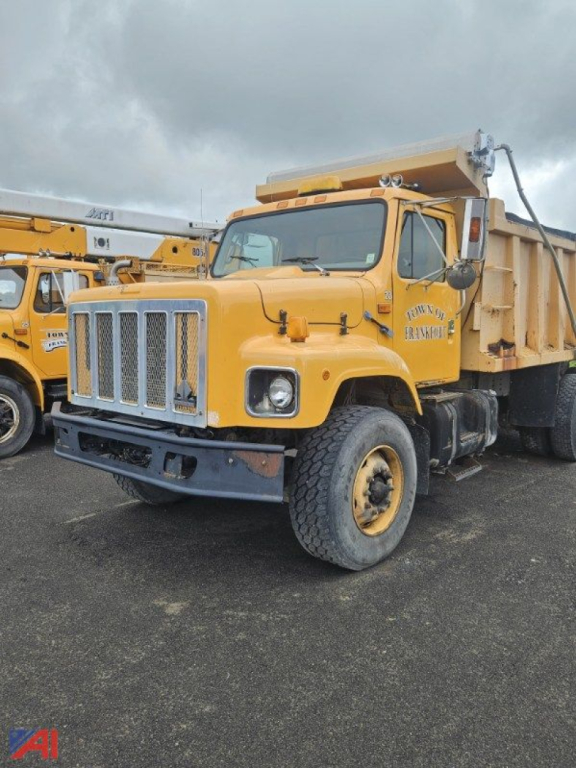
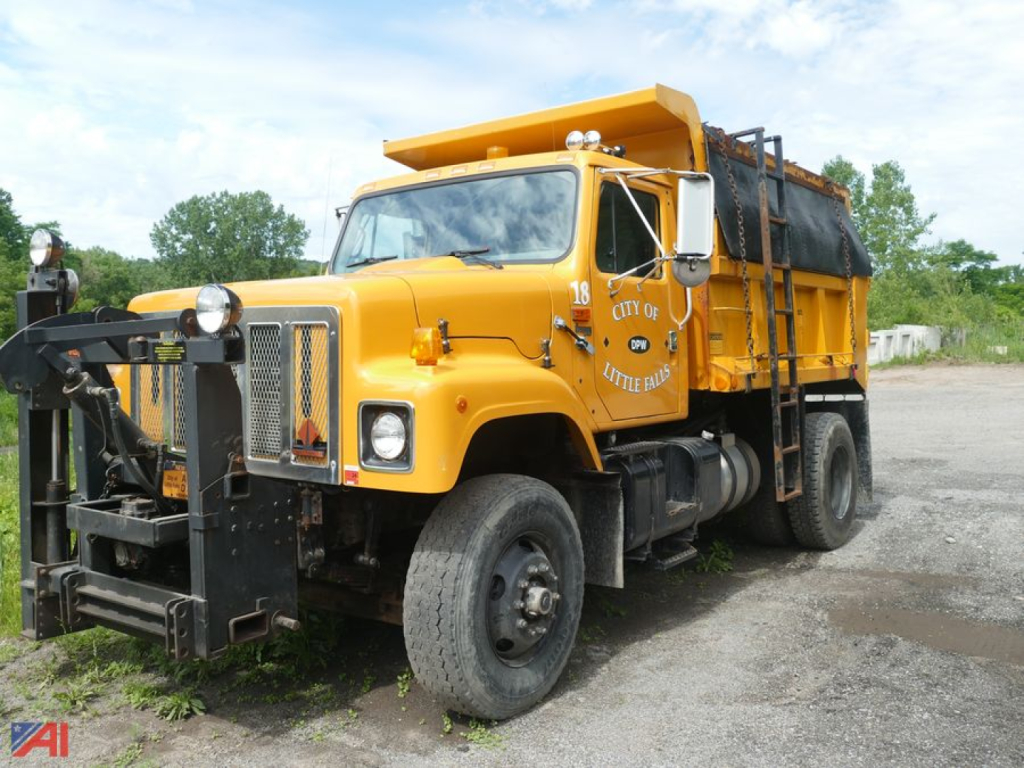

Have used 2000 international dump truck to sell? List it here to reach thousands of buyers.
About Used 2000 International Dump Trucks
The first decision is capacity and axle configuration. A single-axle 2000 International dump truck often fits local material delivery, asphalt patch crews, utility contractors, and landscape supply work where maneuverability matters. Tandem-axle setups are better suited for heavier payloads, rougher jobsite conditions, and higher gross weight requirements. Common body lengths can range from around 10 to 16 feet depending on the chassis and intended application, with steel bodies favored for demolition debris, rock, and abrasive material. Key specs to compare include GVWR, front and rear axle ratings, suspension type, brake setup, hoist design, side height, tailgate style, and whether the truck has a manual tarp, air gate, or combination gate. If the truck carries a plow, wing, or spreader package, inspect the hydraulic plumbing, controls, front axle capacity, and front frame reinforcement closely.
Powertrain choices on a 2000 International dump truck can vary widely because many were ordered for specific vocational use. You may see International DT-series diesels on medium-duty chassis and larger-bore diesel engines on heavier models, paired with manual transmissions, Allison automatics, or fuller vocational gearboxes. Buyers should pay close attention to PTO engagement, clutch feel on manual units, transmission shift quality, rear differential noise, and signs of hard service such as driveline vibration or cracked spring components. On older dump trucks, the body and hydraulic system are just as important as the engine. Check for leaking hoist cylinders, twisted subframes, cracked body mounts, worn hinge pins, damaged crossmembers, rusted floors, and tailgate wear from loader impact. If the truck has been used in snow states, corrosion around the cab mounts, brake lines, wiring, and spreader controls deserves extra scrutiny.
A well-matched used 2000 International dump truck can still be a practical choice for farm use, municipal backup service, property maintenance fleets, and contractors who need a straightforward work truck without late-model electronics. Buyers should balance purchase price against the cost of tires, brakes, hydraulic repairs, body rust repair, and suspension work, since those items can change the real ownership cost quickly. Service records, body manufacturer information, and confirmation of axle ratio and wheelbase are especially helpful when comparing listings. If the truck will spend time off road, look closely at ground clearance, locking differential availability, tire size, and frame condition near the suspension hangers and hoist mounts.
Frequently Asked Questions
What should I inspect first on a used 2000 International dump truck?
Start with the frame, dump body, and hydraulic system before focusing on cosmetics. Look for rust-through, frame scaling, cracked crossmembers, body floor damage, leaking hoist cylinders, and worn tailgate hardware. After that, verify axle ratings, brake condition, suspension wear, PTO operation, and any signs of hard municipal or plow service such as corrosion on wiring, brake lines, and front frame components.
Are single-axle or tandem-axle 2000 International dump trucks better?
It depends on payload needs and jobsite conditions. Single-axle trucks are easier to maneuver, generally lighter, and often a better fit for landscaping, utility work, and local delivery. Tandem-axle trucks are the better choice for heavier aggregate, demolition material, and rougher terrain where higher rear axle capacity and improved load distribution matter more than tight turning radius.
What engines and transmissions are common in a 2000 International dump truck?
Common setups can include International DT-series diesel engines on medium-duty chassis and heavier diesel options on larger vocational models. Transmissions may be manual, automated in some cases, or Allison automatic depending on the original application. The best choice depends on driver preference, stop-and-go duty cycle, PTO use, and terrain. Automatic transmissions are often preferred for municipal and urban work, while manuals can still appeal to fleets focused on simplicity and driver-controlled gearing.
How important is the dump body condition on an older International chassis?
It is critical because body repair can quickly erase any savings on the truck purchase. A body with a weak floor, cracked side panels, damaged hinge points, or a bent subframe may require extensive welding and fabrication. Buyers should inspect the hoist mounts, body braces, tailgate latches, and the area around the cylinder base for structural fatigue. A strong chassis with a failing body is still an expensive project.
Can a used 2000 International dump truck still make sense for commercial work?
Yes, if the truck matches the application and passes a thorough inspection. Older International dump trucks can still serve well in farm, municipal, property maintenance, and short-haul contractor roles where annual miles are moderate and mechanical simplicity is valued. The key is buying on condition, confirming parts and service support for the chassis and body, and budgeting realistically for age-related repairs such as brakes, tires, suspension, hydraulics, and corrosion remediation.