
Used 1999 International Dump Trucks For Sale
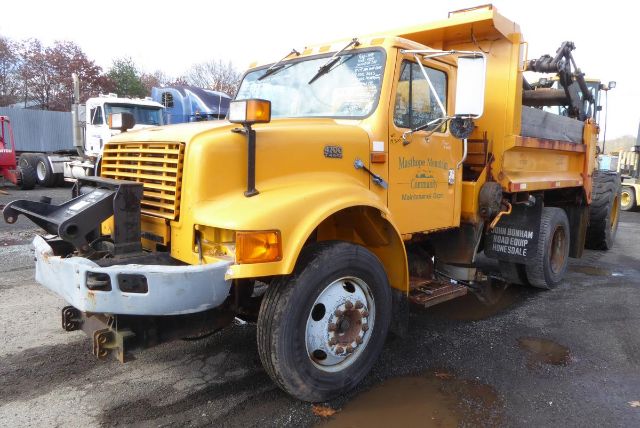
Shop used 1999 International dump trucks. Compare DT466-powered vocational trucks, axle ratings, dump body specs, hydraulics, and setup details.
Learn more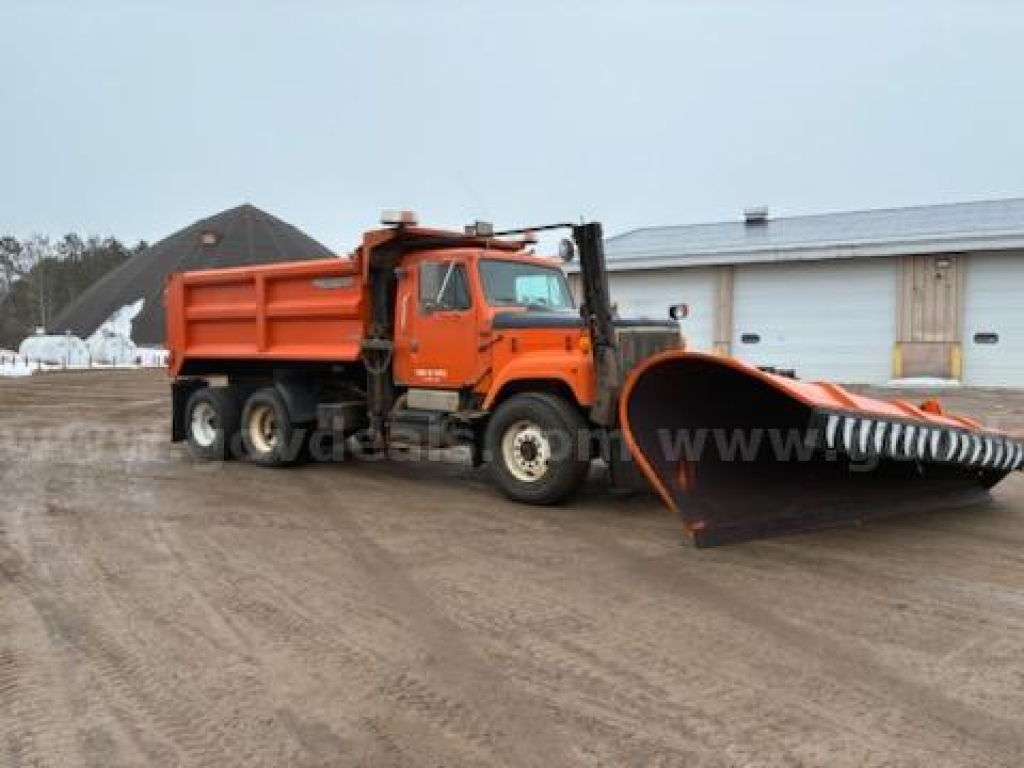

Have used 1999 international dump truck to sell? List it here to reach thousands of buyers.
About Used 1999 International Dump Trucks
The first buying decision is chassis and drivetrain spec. On a 1999 International dump truck, buyers should pay close attention to engine family, horsepower, transmission type, rear axle ratio, suspension, and brake setup. International DT466-equipped trucks are especially common in this era and are valued for serviceability and broad parts support. Allison automatic transmissions are popular in dump applications because they simplify stop-and-go operation, while manual transmissions may appeal to operators who want more control over gearing on grades or in off-road jobsite conditions. Rear ratios in vocational trucks are often set for low-speed pulling power rather than highway speed, so road use matters. A truck that spends its life in short-haul quarry or municipal work can be spec'd very differently from one expected to run between plants and jobs all day.
Body and hydraulic configuration matter as much as the cab and engine. Dump body length on these trucks often falls around 9 to 12 feet on single-axle setups, though longer bodies exist depending on wheelbase and intended payload. Steel bodies are common for rock, demolition debris, and abrasive material, while stainless bodies are often preferred for corrosion resistance in salt, mulch, or mixed municipal service. Buyers should inspect side height, floor thickness, crossmember condition, hoist type, PTO operation, tailgate design, tarp setup, and whether the truck has useful options like a heated body, air-operated tailgate, or chute gate for paving work. A scissor hoist, telescopic cylinder, or twin-ram arrangement each changes maintenance needs and dumping characteristics, especially on uneven ground.
Condition on a used 1999 International dump truck should be judged as a vocational truck first, not just by age or miles. Frame condition, double-frame reinforcement, spring hanger wear, steering play, brake function, hoist performance, and signs of body cracking or floor patching usually tell you more than the odometer. Check for corrosion around the cab mounts, door bottoms, battery boxes, hydraulic tank mounts, and underbody structure. Confirm axle ratings and GVWR match the work you intend to do, and verify local bridge-law and CDL implications before buying. For buyers who want a basic, job-focused dump truck with proven components and fewer emissions-related systems, a 1999 International remains a practical option when the chassis, hoist, and body have been maintained correctly.
Frequently Asked Questions
What engine is commonly found in a 1999 International dump truck?
One of the most common engines in a 1999 International dump truck is the International DT466. Buyers often look for it because it has a long reputation for durability, good low-end torque, and wide service familiarity in vocational fleets. Depending on the exact model and original spec, other International diesel engines may also appear, so the engine tag, horsepower rating, and fuel system should always be verified before purchase.
Is a 1999 International dump truck good for construction and municipal work?
Yes, a 1999 International dump truck is often well suited for construction, paving support, snow and ice control, landscaping material delivery, and municipal road maintenance. Trucks from this era are valued for simpler mechanical layouts and vocational chassis designs that handle frequent stops, PTO use, and off-pavement jobsite travel. The key is matching the axle configuration, body size, suspension, and hoist setup to the intended material and legal payload requirements.
What should I inspect on a used 1999 International dump truck before buying?
The most important inspection points are the frame, dump body, hoist, PTO, hydraulics, rear suspension, steering, brakes, and corrosion-prone areas. Look closely for body floor rot, cracked welds, leaking cylinders, hoist instability, worn spring components, rust around cab mounts, and evidence of past overloading. Buyers should also confirm transmission operation under load, tailgate function, tire condition, axle ratings, and whether the truck tracks straight with the body raised and lowered properly.
Are automatic or manual transmissions better in a 1999 International dump truck?
That depends on the route and operator preference. Allison automatic transmissions are common in dump trucks because they make stop-and-go driving easier, reduce driver fatigue, and work well in urban and municipal service. Manual transmissions can be a strong choice when buyers want more direct gear control, especially in hilly terrain, off-road use, or heavier pulling applications. The better option is the one matched to the truck's rear ratio, engine output, and duty cycle.
How do I choose the right dump body on a 1999 International truck?
Start with the material you plan to haul and the roads the truck will run. Steel dump bodies are usually preferred for abrasive aggregate, broken concrete, and demolition debris because they handle impact and abrasion well. Stainless steel bodies can be a better fit where corrosion resistance matters, such as salt service or wet organic material. Buyers should compare body length, side height, hoist design, tailgate type, and overall payload balance with the truck's wheelbase and axle ratings before deciding.