
Cat Dump Trucks For Sale
Browse Cat dump trucks for sale, including heavy-duty tri-axle and vocational models with Caterpillar power for hauling dirt, rock, and debris.
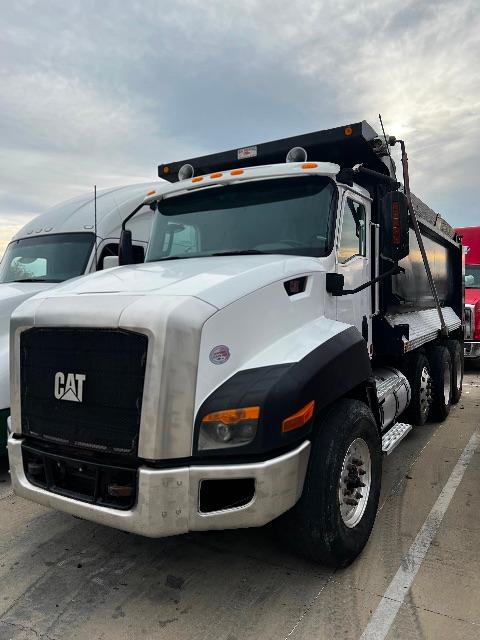
Selling a cat dump truck? List your cat dump truck for sale and reach thousands of commercial buyers.
Cat Dump Trucks
The first specs to verify are axle configuration, body length, and legal payload potential in your state. Many dump trucks in this class run tandem or tri-axle layouts, with body sizes often falling in the 14-foot to 16-foot range for general construction work. Suspension type, wheelbase, frame rating, and rear axle ratio all affect how the truck carries weight and how well it performs off pavement. Shorter wheelbases tend to maneuver better in tight jobsites, while longer wheelbases can help balance body capacity and bridge law requirements. If the truck has a lift axle, check its condition, controls, and local compliance value for your route structure.
Engine and transmission choice has a direct impact on operating cost and driver acceptance. Caterpillar diesel engines such as the CT13 are common in vocational applications where strong mid-range torque and engine brake performance are important. Horsepower in the low-to-mid 400 range is typical for heavier dump work, especially when paired with an automatic or automated transmission that helps in stop-and-go service. Buyers should also pay close attention to PTO setup, hoist type, body floor thickness, tailgate configuration, and hydraulic condition. A dump truck can look sound at a glance but still need expensive work in the hoist, pins, hinges, tarp system, or subframe.
For used Cat dump trucks, frame condition and evidence of prior abuse matter as much as engine specs. Look closely for body rust, cracked crossmembers, hard-used suspension components, uneven tire wear, and signs of overloading around the hoist mounts and rear frame section. If the truck has spent time in demolition or quarry work, inspect the bed, liner, and cab protection carefully. A well-matched Cat dump truck can be a productive choice for contractors who need a vocational chassis with proven hauling capability, especially in applications where reliable torque, durable running gear, and a properly spec'd dump body are the difference between profit and downtime.
Frequently Asked Questions about Cat Dump Trucks
What should I look for first when buying a used Cat dump truck?
Start with the chassis and body specification, not just the engine. Confirm axle layout, GVWR, body size, wheelbase, and rear axle ratio to make sure the truck fits your payload and route requirements. After that, inspect the dump body, hoist, PTO, frame rails, suspension, and lift axle components for wear or damage. On a vocational truck, structural condition often tells you more about remaining service life than odometer reading alone.
Are Cat dump trucks good for construction and demolition hauling?
Yes, Cat-powered dump trucks are commonly used in construction, demolition, and aggregate applications because they are typically spec'd for high-load vocational work. Strong torque, engine brake performance, and durable chassis components make them well suited for repeated loaded starts, jobsite maneuvering, and short-haul cycles. The exact suitability depends on body type, axle rating, and how the truck was maintained in prior service.
What body size is common on a Cat dump truck?
A common body size in this category is around 14 to 16 feet, especially on tandem and tri-axle dump trucks used for dirt, stone, millings, and debris. Body capacity depends on side height, material type, and legal axle limits, so bigger is not always better. Buyers should match body dimensions to commodity weight, local bridge laws, and the truck's actual axle ratings.
Is an automatic transmission a good choice in a dump truck?
An automatic or automated transmission can be a strong choice for dump truck work because it reduces driver fatigue in stop-and-go operation and can improve consistency on jobsites. It is especially useful in urban hauling, paving support, and applications with multiple drivers. The key is confirming that the transmission, PTO compatibility, and rear gearing are properly matched to the truck's intended payload and terrain.