
2026 Dump Trucks For Sale in Arkansas
Browse 2026 dump trucks for sale in Arkansas. Compare specs, body sizes, axle setups, PTO options, and vocational features for hauling jobs.
Learn more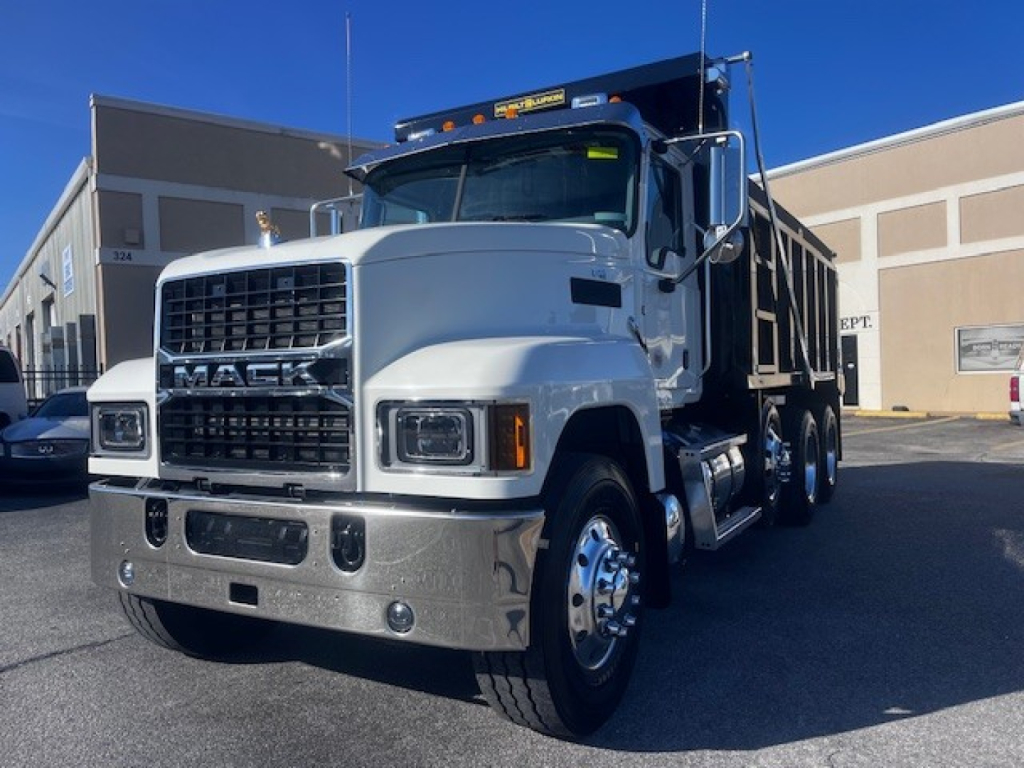
Have 2026 dump truck to sell? List it here to reach thousands of buyers.
About 2026 Dump Trucks in Arkansas
Powertrain choice matters because dump trucks spend their lives starting, stopping, backing, and operating off pavement. Current vocational specs often include diesel engines in the medium-duty range for smaller dumps and 400-plus horsepower big-bore engines for tandem and tri-axle applications. Automatic transmissions such as Allison units remain popular for stop-and-go work, PTO integration, and driver acceptance, while automated manuals are common in heavier regional and construction fleets looking for fuel efficiency and durable gearing. Ratios in the high 3s to low 4s are typical on heavier dump specs, balancing launch, gradeability, and road speed. Suspension and traction features also deserve a close look, especially multileaf vocational suspensions, locking differentials, and brake type, since disc and drum systems each have their place depending on duty cycle and maintenance preference.
The body and hoist package often determines how well the truck fits the work. Steel dump bodies with AR450 or similar abrasion-resistant floors are common for rock, demolition debris, and other abrasive materials, while lighter material bodies may favor volume over extreme wear resistance. High-lift tailgates, air-operated tailgates, cab-operated tarps, pintle hitches, and trailer wiring are common on trucks expected to pull equipment or move between paving, excavation, and municipal duties. Body length, side height, cubic-yard rating, and hoist geometry all affect loading method and material flow. A 5- to 7-yard body suits many medium-duty applications, while 16-foot bodies in the 18-yard class are more typical on tri-axle construction specs.
A buyer comparing 2026 dump trucks should also evaluate service access and day-to-day uptime items that do not show up in headline specs. Look at frame layout for hydraulic components, PTO and wet-kit setup, ground clearance, fuel capacity, cab visibility, and the availability of vocational controls inside the cab. In Arkansas, mixed use on highways, county roads, and rough jobsites makes tire selection, lift-axle design, and suspension durability especially important. The best dump truck spec is the one that carries legal payload efficiently, unloads cleanly, and stands up to repetitive loading cycles without becoming maintenance-heavy.
Frequently Asked Questions
What axle configuration is best for a dump truck in Arkansas?
The right axle setup depends on the payload target and where the truck will run. Single-axle dump trucks are easier to maneuver and work well for lighter municipal, landscape, and small construction jobs. Tandem axle trucks are the standard choice for heavier aggregate and excavation work. Tri-axle dumps with a lift axle or pusher are often preferred when buyers need additional legal payload capacity without stepping into a larger off-road truck class. Bridge laws, local route restrictions, and jobsite turning radius should all be considered before choosing a configuration.
Should I choose an automatic, automated manual, or manual transmission in a dump truck?
For many dump truck applications, fully automatic transmissions remain popular because they are easy to operate in stop-and-go work, perform well during backing and PTO operation, and reduce driver fatigue. Automated manuals are common in heavier vocational specs because they can offer strong gearing and better fuel economy on road segments while still simplifying driver training. A traditional manual may still appeal to some fleets, but most buyers now compare automatic and automated manual options first because of labor availability, ease of use, and resale demand.
What body size is common on a 2026 dump truck?
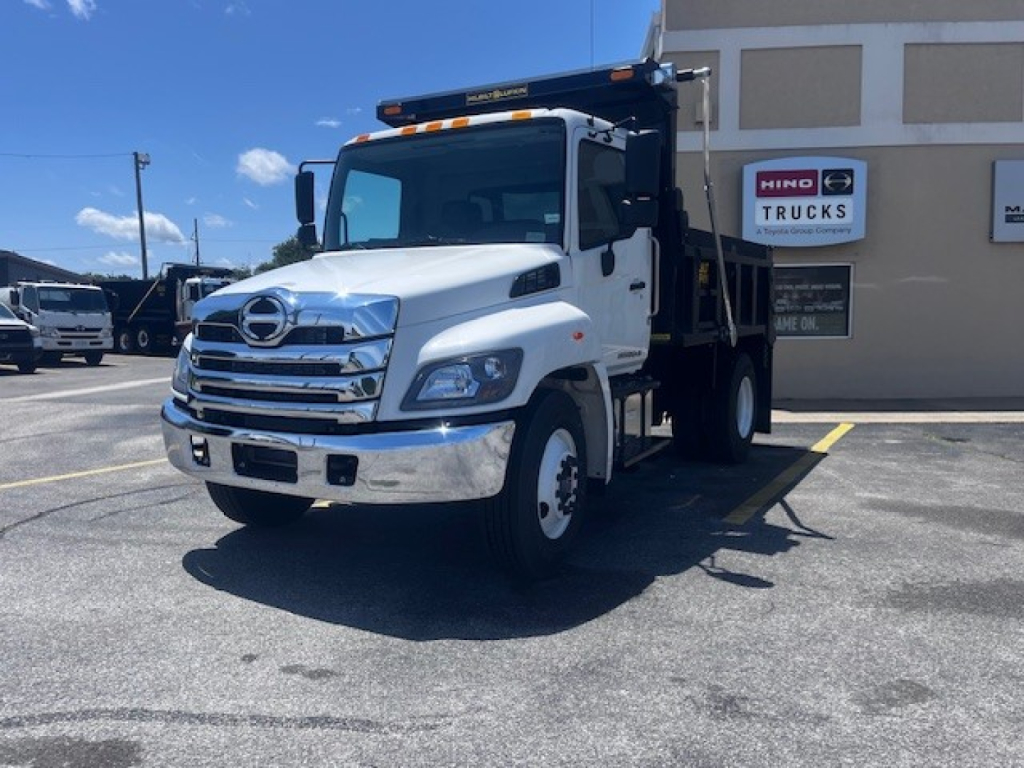
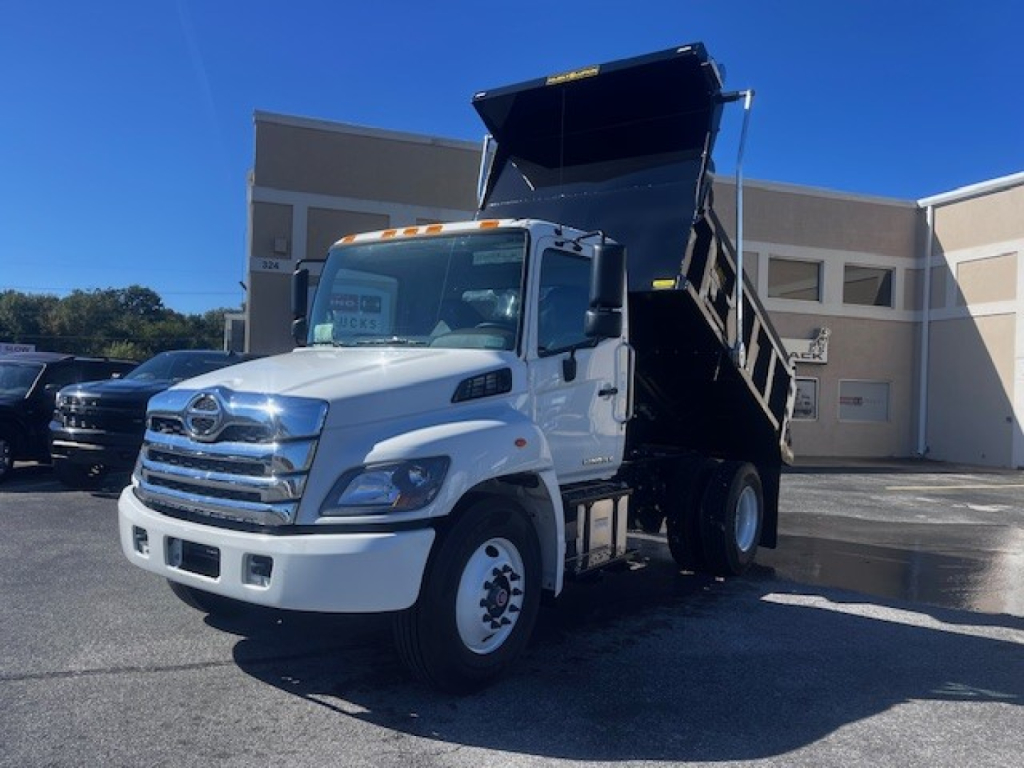
Body size varies by chassis class and intended material. Medium-duty dump trucks often carry 10-foot bodies in the 5- to 7-yard range, which are useful for landscaping, utility work, and smaller construction jobs. Heavier tandem and tri-axle dump trucks commonly use 15- or 16-foot bodies with much larger cubic-yard capacity for dirt, gravel, asphalt, and demolition debris. The right body is not just about volume. Buyers should also consider floor thickness, side height, tailgate style, and the type of hoist used to match the truck to the material being hauled.
What specs matter most when comparing heavy-duty dump trucks?
The most important specs are axle ratings, engine horsepower and torque, transmission type, rear axle ratio, suspension design, brake setup, wheelbase, and body construction. On a vocational truck, these components work together. A high-horsepower engine alone does not guarantee a productive spec if the gearing, suspension, or body package is mismatched to the work. Buyers should also verify lift-axle capacity, differential locks, PTO compatibility, and body material, since those features have a direct effect on payload, traction, and long-term durability.
Are steel dump bodies better than lighter-weight bodies?
Steel bodies are generally preferred for severe-duty hauling because they handle abrasive and high-impact materials better than lighter constructions. Abrasion-resistant steel floors are especially common in trucks that haul rock, broken concrete, demolition debris, or other punishing loads. A lighter-weight body can improve payload in the right application, but it may not deliver the same service life if the truck regularly handles harsh material. The best choice depends on whether the truck is being spec'd for maximum durability, maximum legal payload, or a balance of both.