
2019 Dump Trucks For Sale in Minnesota
Browse 2019 dump trucks for sale in Minnesota. Compare tandem and tri-axle specs, body capacity, drivetrains, and severe-duty vocational features.
Learn more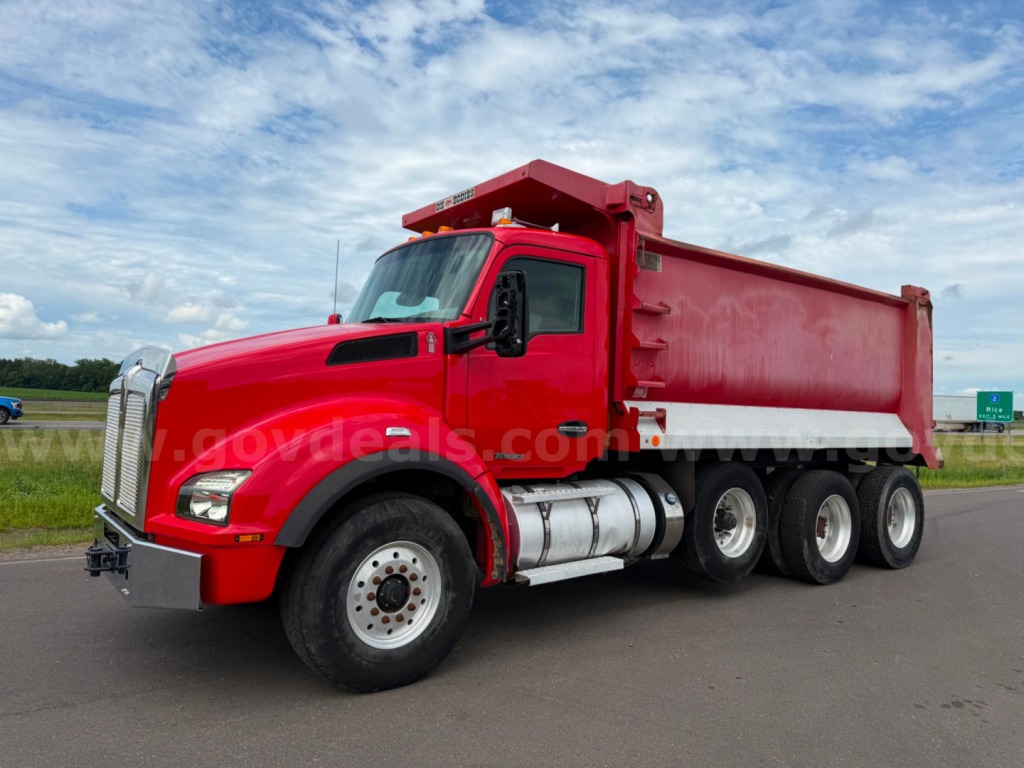


Have 2019 dump truck to sell? List it here to reach thousands of buyers.
About 2019 Dump Trucks in Minnesota
The most important buying decision is matching axle spec, body size, and drivetrain to the work. For gravel, asphalt, and site material, buyers usually focus on GVWR, axle ratio, suspension rating, and hoist performance before they worry about cab trim. Tandem axle dump trucks are common for general construction and municipal work because they balance payload, maneuverability, and maintenance cost. Heavier tri-axle configurations can improve legal payload in some applications, but bridge laws, local road restrictions, and intended haul distance still matter. In Minnesota, many dump trucks are also configured for year-round duty with front plow mounts, wing plow provisions, hydraulic packages, sanders, and electric or hydraulic roll tarps. If the truck has been used in snow service, pay close attention to frame condition, crossmembers, wiring, hydraulic plumbing, and corrosion around the body, hoist, and spreader controls.
Powertrain specs on 2019 dump trucks often land in the 325 to 455 horsepower range, with torque and gearing set up for stop-and-go hauling rather than highway fuel economy. Engines such as the PACCAR MX-13, Cummins X12 or X15, and Mack MP series are common in this class, paired with Allison automatics or automated manuals from Eaton and other major suppliers. Buyers should confirm axle locks, differential locks, pusher or tag axle operation if equipped, and the exact rear axle ratio because those details directly affect launch performance, gradeability, and top-road speed. The body itself deserves the same level of scrutiny as the chassis. OX Bodies, Crysteel, Brandon, Rugby, Towmaster, and similar builders are frequently seen on 2019 vocational trucks. Look at floor thickness, sidewall wear, tailgate style, liner condition, hoist mount area, tarp system, and whether the body is set up for hard rock, demo debris, or lighter bulk material.
A 2019 used dump truck should also be evaluated by hours as much as miles. Municipal and fleet units can show relatively low mileage but high PTO, idle, and engine hours from plowing, loading, and jobsite work. Service records, ECM data, brake wear, steering play, suspension bushing condition, and evidence of regular greasing all tell a more accurate story than the odometer alone. For Minnesota buyers, it is smart to confirm cold-weather equipment such as block heaters, battery management, and cab heat performance, especially on trucks that will stay in winter rotation. When the spec is right, a 2019 dump truck can still be a productive severe-duty asset for hauling stone, blacktop, dirt, millings, salt, and snow-control materials across construction, municipal, and contractor fleets.
Frequently Asked Questions
What should I look for first when buying a 2019 dump truck in Minnesota?
Start with the truck’s intended job, then verify the axle configuration, GVWR, dump body size, and any seasonal equipment. In Minnesota, many dump trucks have seen snowplow and sander service, so corrosion, hydraulic condition, wiring integrity, and frame wear deserve close inspection. Maintenance history, engine hours, PTO hours, and body condition usually matter more than appearance on a vocational truck.
Is a tandem axle or tri-axle 2019 dump truck better for construction work?
A tandem axle dump truck is often the better fit for general construction, paving, and municipal use because it is easier to maneuver and typically less expensive to maintain. A tri-axle can improve payload capability in the right application, but that advantage depends on state weight laws, bridge formulas, and the roads the truck will actually run. The right choice comes down to legal payload, turning radius needs, and how often the truck operates on soft ground or tight jobsites.
How important are engine hours on a used 2019 dump truck?
Engine hours are very important because dump trucks often spend long periods idling, running PTO-driven hydraulics, or working at low speed. A truck with moderate miles can still have high wear if it spent years in municipal or snow service. Comparing miles, engine hours, PTO use, and maintenance records gives a much better picture of overall condition than mileage alone.
What body capacity is common on a 2019 dump truck?
Many 2019 dump trucks are equipped with 14-foot to 16-foot bodies, and capacities often range from about 10 to 21 cubic yards depending on side height, material density, and body design. The advertised yard rating should always be matched to the material being hauled because rock, wet sand, asphalt, and demolition debris load very differently. Buyers should also verify hoist rating, body construction, and tailgate configuration for the intended material.
Are automatic transmissions common in 2019 dump trucks?
Yes, automatic and automated transmissions are very common in 2019 dump trucks, especially in municipal and vocational fleet service. Allison automatics are popular because they work well in stop-and-go hauling, plowing, and repeated backing maneuvers. Automated manuals are also common and can offer good drivability and durability, but the best choice depends on driver preference, route conditions, and maintenance practices.